
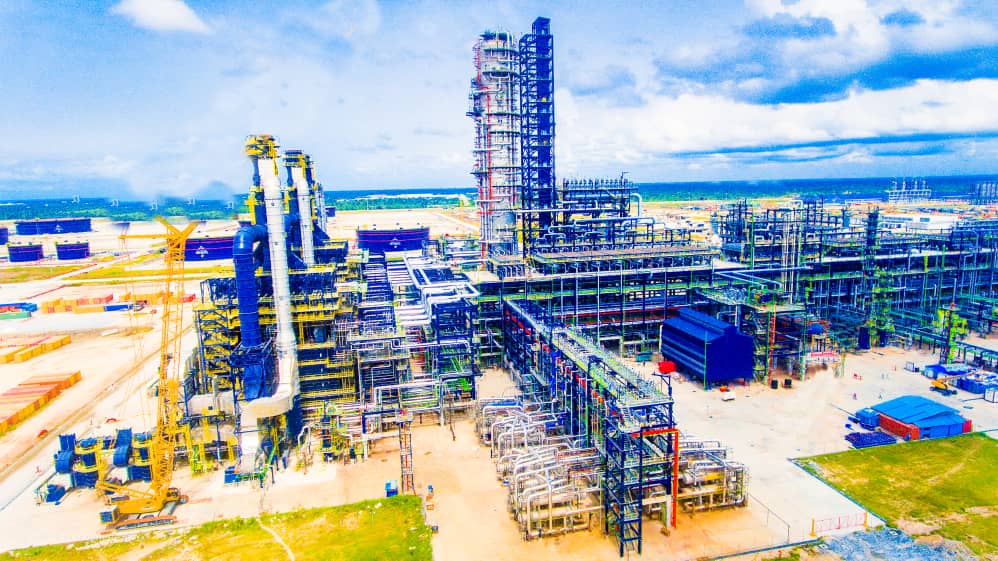
Nigeria’s mega-refinery near Lagos cemented its status as Europe’s top jet fuel source for a second straight month in July. Ship tracking data shows the giant Lekki plant shipped over 400,000 tonnes of jet fuel to European ports last month. That output captured one-fifth of the continent’s entire aviation fuel import market. The Nigerian facility displaced long-standing suppliers across the United States and the Middle East for the second time. West Africa’s new industrial power now redraws global energy trade maps.
Trade figures compiled by commodity intelligence firm Kpler show a sustained export surge from the Lekki terminal. Dangote delivered a record 466,000 tonnes of jet fuel to European buyers during June. That initial wave knocked traditional American refiners off the top spot in European import markets. July shipments proved that June’s export dominance was no fluke. Reliability matters far more than size in international refining.
Escalating conflict around the Strait of Hormuz accelerated Europe’s urgent pivot toward West African refining. Middle Eastern oil shipments face recurring delays from naval tensions across major Gulf shipping lanes. European buyers moved quickly to diversify their energy suppliers away from volatile shipping routes. Dangote’s coastal terminal on the Atlantic, offering short sea journeys directly into Western Europe, gave it a massive geographic edge over Asian and Gulf rivals. Location dictates market share during regional crises.
Crude processing rates inside the sprawling complex reached new record levels throughout the early summer. Daily oil deliveries to the Lekki plant reached 660,000 barrels to fuel the massive output. High operational volume gives management the scale to undercut traditional European and American competitors on price. Total fuel exports from the facility hit 550,000 tonnes in June alone. Scale transforms local industrial plants into dominant global suppliers.
Chief Executive Officer David Bird confirmed the plant is expanding into additional refined product markets globally. The giant facility now exports commercial volumes of diesel, petrol, and specialized petrochemicals alongside its jet fuel shipments. Massive domestic refining converts Nigeria from a chronic fuel importer into a dominant energy exporter. Export earnings from refined products help stabilize the nation’s fragile foreign exchange reserves. Converting local crude into high-value exports pays massive economic dividends.
Europe’s rapid embrace of West African fuel signals a permanent shift in global refining power dynamics. High energy costs and strict environmental rules force older European plants to reduce their operating capacity. Modern mega-refineries built across the global south are stepping in to fill that emerging supply deficit. Dangote’s success shows how private capital can rewrite global commodity trade rules. Emerging markets are claiming control over major energy processing industries.