
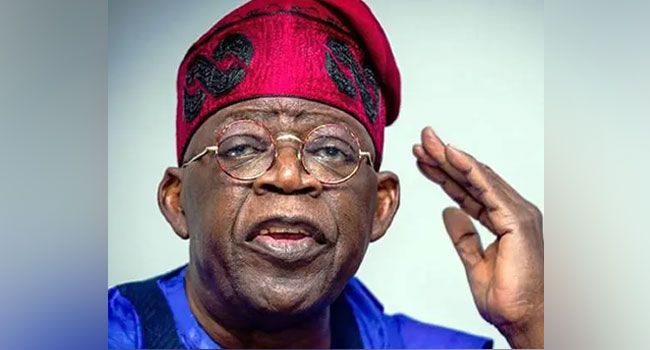
President Bola Ahmed Tinubu called on Nigerian Muslims to draw practical lessons from the life of Prophet Muhammad as the nation marks the 2026 Eid-el-Maulud. In an official dispatch issued in Abuja on Tuesday, 25 August, the president asked the faithful to look beyond merrymaking and focus on deep personal reflection. The presidential statement, released through special adviser on information and strategy Bayo Onanuga, singled out devotion, perseverance, tolerance, humility, and selflessness as core values for national survival. Mr Tinubu noted that these spiritual virtues offer a clear roadmap for citizens navigating complex social and economic hurdles. He urged Islamic clerics to use their pulpits to promote national cohesion and rally their congregations behind the collective welfare of the republic. The message also appealed directly to prosperous citizens to share food and financial help with poor households in their neighbourhoods. Official rhetoric once again leans on private religious virtue to shoulder public burdens.
The appeal for perseverance arrives at a delicate moment of widespread domestic belt-tightening across urban and rural communities. Sweeping macroeconomic adjustments, including foreign exchange unification and energy subsidy cuts, continue to test the endurance of ordinary workers. Retail food prices and road transport fares consume the bulk of household incomes in every major city. In asking citizens to display patience and selflessness, the presidency acknowledges the deep economic pain currently felt across the land. The administration routinely asks the public for patience while structural fiscal reforms take time to yield tangible results. Yet patience remains a scarce commodity for families that struggle to afford basic daily nutrition. The state cannot expect limitless public forbearance without delivering visible economic relief.
The emphasis on tolerance speaks directly to the delicate ethno-religious balance of a plural federation. Political and communal frictions frequently flare along sectarian fault lines whenever economic pressures mount in regional trading centres. Religious leaders hold immense cultural sway over millions of worshippers who gather weekly in mosques and prayer grounds. Mr Tinubu understands that fiery clerical rhetoric can easily inflame existing sectarian divisions in volatile border states. By urging clerics to preach moderation, the presidency seeks to enlist the religious establishment as a stabilising force for civil order. Mainstream Islamic organisations share a common interest in checking the spread of fringe extremist doctrines that prey on idle youth. Social harmony requires constant daily cultivation by both state actors and community leaders.
The president also asked religious assemblies to dedicate special prayers toward ending the armed violence troubling several northern farming districts. Coordinated bandit raids and insurgent attacks continue to disrupt rural communities in parts of Niger, Zamfara, and Borno states. While security forces pursue joint military sweeps across the savannah, the administration readily seeks spiritual backing to soothe public anxiety. Prayers in places of worship provide emotional comfort to communities that endure the physical trauma of rural insecurity. However, spiritual supplication cannot serve as an effective substitute for professional policing and judicial accountability. The state must back its moral appeals with well-equipped ground patrols that actually protect farming villages. Divine help works best when state institutions perform their constitutional security duties.
The presidential call for voluntary charity highlights the chronic gaps in the nation’s formal social safety nets. While the federal government operates cash transfer schemes and grain distribution drives, millions of needy households fall through administrative cracks. The informal tradition of mutual aid remains the primary buffer, saving impoverished families from outright destitution during holidays. Affluent citizens routinely step in to pay medical bills, buy school supplies, and share livestock with struggling neighbours. This private generosity prevents severe social breakdown in communities where public welfare offices barely function. Yet outsourcing social protection to private philanthropy lets state welfare ministries escape their institutional responsibilities. A functional government must build durable public safety nets rather than rely on occasional festive handouts.
National holidays like Eid-el-Maulud offer political leaders a routine platform to project moral authority and unity from the seat of power. Official holiday communiqués have become a standard fixture of executive public relations across successive administrations in Abuja. These messages follow a familiar literary pattern of praising historical virtues while avoiding uncomfortable political policy arguments. The public listens politely to these seasonal sermons while judging the government on the price of bread and fuel. Speeches from state houses matter far less than concrete decisions made in ministerial boardrooms. The ultimate test of political leadership lies in competent governance rather than eloquent holiday advice. State officials must practice the humility and selflessness they so freely preach to citizens.
The coming months will show whether the administration can match its moral appeals with competent public administration. Economic managers must work to bring down headline food inflation so that ordinary families can celebrate future holidays with full pantries. Security chiefs need to secure rural farm belts so displaced peasant farmers can return to their land without fear of abduction. If the state creates the conditions for lawful enterprise to grow, citizens will naturally invest their energies in building a stable country. The virtues of devotion and perseverance flourish when hard work yields a fair and predictable reward. Nigeria needs sound institutions and honest leadership far more than seasonal rhetoric. True national renewal begins when rulers match the noble conduct they demand from the ruled.