
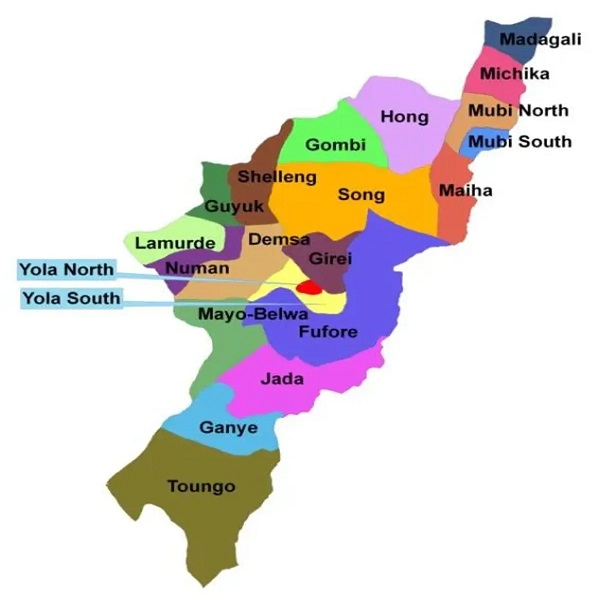
Nigerian troops killed more than 21 Boko Haram and Islamic State West Africa Province fighters during a dawn raid in the Kopre Mountain area of Hong Local Government Area in Adamawa State. The joint strike force overran a fortified mountain enclave in the early hours of Thursday, 27 August 2026, destroying logistics facilities and weapon caches. Operation Hadin Kai command confirmed the operation on Friday through its acting information officer, Mohammed Goni. The strike combined the tactical unit of the Office of the National Security Adviser with frontline soldiers of the 226 Battalion under Sector 4. Field commanders acted on direct orders from the Chief of Army Staff, Lieutenant General Waidi Shuaibu. The offensive aimed to locate and free hostages, including villagers taken from Mussa in May and schoolchildren seized from Lassa in June. Difficult mountain terrain rarely protects outlaws once ground scouts locate their camps. Rugged hills no longer guarantee total safety for insurgents.
The clearance team fought through two distinct firefights before taking total control of the ridge. Assault squads climbed steep rocky paths in total darkness to achieve absolute tactical surprise at daybreak. Troops destroyed living quarters, repair shops, and storage dumps after clearing the firing lines. Soldiers set fire to dozens of motorcycles, bicycles, and fuel cans that gave the fighters mobility between mountain hideouts. The patrol also seized several AK-47 rifles, full magazines, and loose rounds of 7.62mm special ammunition. Fleeing fighters abandoned their heavy supplies and dragged wounded comrades deeper into the rocky brush. Denying insurgents their transport breaks their raiding power across rural districts. Firepower counts for little without fuel and fresh wheels.
The assault in Hong exposes how splinter cells use border hills to run kidnapping operations into northern valleys. Outlaws hide in rocky caves above farming hamlets, watching army patrols from elevated lookouts. From these heights, small raiding parties strike undefended communities at night to steal food and seize hostages for ransom. The abductions in Mussa and Lassa show how terror groups turn human lives into steady operational income. Families in these farming districts live in permanent dread of sudden night raids. State security desks know that leaving mountain peaks unmonitored invites criminal gangs to build permanent bases. Clearing these hills requires hard foot patrols rather than casual highway checkpoints. Real border security demands constant boots in the dirt.
The tactical collaboration between the National Security Adviser’s office and regular infantry units shows improving inter-agency coordination. For years, rivalry between intelligence agents and army field officers delayed quick responses to credible field tips. Special intelligence teams now feed electronic surveillance data straight into frontline battalion radios. That tight loop allows combat units to strike before targets can pack up and scatter into the bush. Lieutenant General Shuaibu’s command has pushed infantry units to take the fight to enemy redoubts rather than sit in static trenches. Yet one successful mountain raid cannot mask the severe troop shortages that limit long-term holding operations. Taking a hill is easy. Holding the ground permanently remains the real test.
The raid also highlights the lingering cooperation between Boko Haram remnants and seasoned Islamic State West Africa Province fighters. While the two groups clash over doctrine and loot around Lake Chad, operational cells in Adamawa still share camps and supply routes. Both factions depend on the same rural smuggling rings to bring in ammunition and fuel from outside the state. Destroying the Kopre camp strips these groups of a central transit station between Sambisa forest and central Adamawa. However, surviving fighters often regroup in nearby valleys within weeks if the army fails to establish forward bases. Terror networks adapt quickly to tactical losses by setting up smaller, mobile camps. Military pressure must remain unrelenting to prevent outlaws from rebuilding their rural cells. Seasonal sweeps achieve very little without follow-up patrols.
Rescuing abducted civilians remains the primary moral duty facing the military in the North-East. Families from Mussa and Lassa continue to wait for news of their captive children. Clearing outlaws from hideouts creates space to track hostage trails before captors move victims across state borders. When troops dismantle forest camps, they deprive kidnap syndicates of safe locations to hold large groups of captives. The army must now use items recovered at the camp to pinpoint remaining hostage locations. Local hunters and civilian vigilantes can provide the tracking skills needed to follow faint footprints through dense bush. Rescuing stolen schoolchildren restores public trust in the state. Victory means bringing every captive home alive.
The Adamawa state government must complement military victories with basic social investments in vulnerable rural border areas. Communities in Hong and surrounding local councils need paved roads, working telephone masts, and reliable police posts. Peasant farmers will not return to their fields without firm guarantees of daily physical protection. When the state neglects remote villages, criminal gangs quickly fill the void and impose illegal taxes. Local councils must also support vigilante groups with decent communication kits and vehicle fuel. Securing the countryside requires a working partnership between village elders, local hunters, and army commanders. Sustainable peace requires economic development alongside physical defence. Guns can clear hills, but schools and roads keep them safe.
Operation Hadin Kai must now expand its offensive across the entire Mandara mountain range to seal remaining escape routes. Security forces cannot afford to celebrate a single successful raid while adjoining hilltops harbor armed camps. Military planners must deploy long-range surveillance drones to watch hidden mountain valleys around the clock. The air force must also maintain ready attack helicopters in Yola to support ground troops during mountain firefights. Crushing the remaining terror enclaves will finally allow thousands of displaced families to rebuild their farms. Adamawa residents have suffered through over a decade of brutal insurgent attacks. The armed forces must finish the job and secure lasting peace across the North-East. Decisive action today prevents deadlier raids tomorrow.