
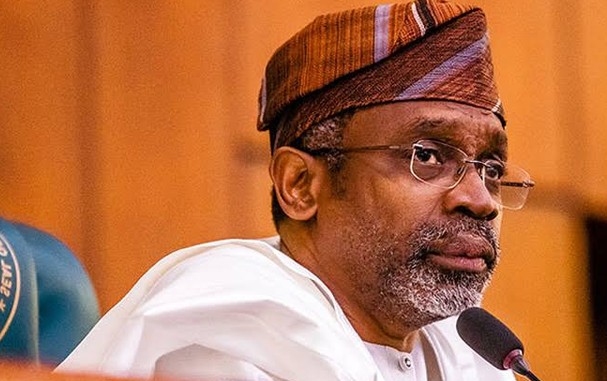
Nigeria crossed a historic constitutional threshold on Friday, 23 October 2026, when twenty-four state houses of assembly formally endorsed the Constitution Sixth Alteration Bill to establish a dual policing system across the federation. Chief of Staff to the President and chairman of the Presidential Working Group on the National Policing Bill, Femi Gbajabiamila, confirmed in Abuja that the legislation met the strict two-thirds majority required under Section 9 of the 1999 Constitution. Centralised command structures fail modern states. The measure returns to the National Assembly for formal enrolment before heading to President Bola Tinubu for his executive assent, ending decades of fruitless debate over whether individual states should recruit, arm, and direct their own law enforcement officers.
Federal politicians who long guarded Abuja’s security monopoly finally gave way after rural kidnapping rings and bandit cartels exposed the acute operational limits of an overstretched Nigeria Police Force. State governors have paid for patrol trucks, fuel, and station walkie-talkies for decades without holding any legal authority to deploy local commanders during lethal communal raids. Paper authority breeds real battlefield paralysis. Fourteen southern assemblies endorsed the bill alongside ten northern counterparts, demonstrating an unusual regional consensus across party divides that security decisions work best when managed close to local farming communities.
Draft operational guidelines and disciplinary codes from the working group sit with the Federal Ministry of Justice for legislative review ahead of a strict 30 October delivery deadline. Legal technicians must design watertight institutional safeguards to prevent despotic state governors from unleashing state police detachments against opposition party rivals during local council elections. State power requires clear constitutional bridles. The enabling statute will establish independent operational boards, uniform training standards, and transparent funding formulas to ensure new state commands function as professional crime fighters rather than armed partisan militias.
Resistance persists in twelve legislatures, where governors in Lagos, Ondo, Ebonyi, and nine northern states continue to stall proceedings over worries about local payroll burdens and boundary disputes. Poor states fear unpaid police salaries. Equipping thousands of fresh constables with body armour, modern forensic laboratories, and digital radios will quickly bankrupt state treasuries that already rely on federal handouts to pay monthly civil service wages. The fiscal burden will inevitably land back on Abuja if cash-strapped state administrators fail to fund regular officer salaries, tempting armed constables to turn their service weapons into informal toll gates along local trade routes.
The coming roll-out will test whether Nigeria can balance regional autonomy with national cohesion while fighting deep economic distress and entrenched rural violence. Devolving guns requires solid democratic maturity. The National Assembly must insist on robust federal oversight to disarm rogue state units, while state assemblies must demonstrate that local policing protects ordinary farmers rather than incumbent political dynasties. Nigeria cannot afford another decorative bureaucratic exercise, because creating thirty-six state police commands without fiscal discipline and independent oversight will merely decentralise state brutality rather than keep vulnerable citizens safe.