
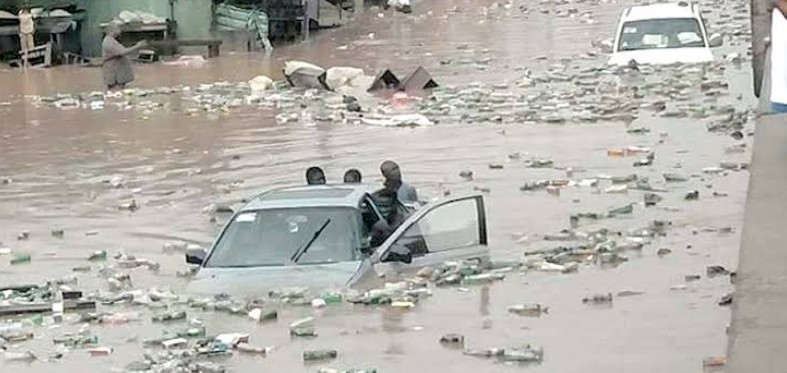
For households facing repeated flooding, recovery means more than waiting for water to recede. Repairs, disrupted earnings and relocation costs can stretch family finances long after the immediate emergency has passed.
When floodwater leaves a home, it can leave behind expenses that take much longer to clear. Furniture needs cleaning, damaged belongings must be replaced, and rooms must be cleaned before they can be used again. Meanwhile, the household still has its ordinary bills.
For families who face this repeatedly, the rainy season introduces another financial concern: how much will it cost to recover this time?
Damage may vary from one year to year, but the problem remains. Money for other needs goes towards restoring possessions and living conditions the family had already paid for. Over time, repeated flooding can make it difficult to move beyond recovery and plan for anything else.
The expenses that remain after the emergency
The first concern during a flood is getting people to safety. Once the immediate danger has passed, attention turns to the state of the home and what it will take to return.
That process involves decisions about what can be salvaged, what requires professional attention and what must be replaced. Cleaning materials, labour and repairs all have to be considered alongside the cost of damaged possessions.
These expenses arrive while the household’s existing commitments continue. Rent, food and school-related costs do not disappear because water has entered the house. Recovery therefore has to compete with other budget items.
A family may restore essential facilities first and leave other repairs until money becomes available. Damaged furniture might remain unreplaced for months. Returning to the property can mark the end of temporary displacement while the financial recovery is still far from complete.
This makes the aftermath harder to measure than the flood itself. A street can become accessible again within days, but households along it may spend considerably longer dealing with the consequences.
Paying repeatedly for the same things
Replacing a damaged possession is different from buying something that improves a household’s standard of living. The expense brings the family back towards where it was before the flood.
When flooding returns, that same money may have to be found again. A repaired room can need further work. A replacement appliance can be damaged before the household has recovered from buying it.
The financial difficulty lies in the repetition. An isolated loss creates a setback; recurring losses can interrupt attempts to build savings or make longer-term plans.
Where savings are insufficient, families must decide what to postpone, what to do without and whether to seek help. Borrowing may cover an immediate need, but repayment adds another commitment to future income.
Describing these costs as an annual household expense does not mean families can comfortably budget for them. The timing, severity and extent of damage remain uncertain. Knowing that flooding is possible is very different from having enough money to absorb it.
Read Also: Beneath the Flood: How Rising Waters Conceal Deadly Electrical Hazards
When movement and income are disrupted
The cost of flooding extends beyond the condition of the home. Roads may become inaccessible, familiar routes may be interrupted and getting to work can require additional time or money.
Even where possessions remain undamaged, a household can still face expenses simply because its surroundings are flooded. Temporary accommodation closer to work or alternative transport may become necessary.
The effect on income depends on how people earn their living. Someone with flexible working arrangements may be able to continue working elsewhere. A person whose earnings depend on daily attendance, customer visits or completed jobs may have fewer options.
For a small business owner, damage to stock or equipment creates a further problem. Money is needed to restore operations at the same time that the business may be unable to trade.
Household and business finances can become closely connected during recovery. Funds needed for food or rent may also be needed to restart the activity that provides income. The pressure comes from having several urgent demands and fewer resources with which to meet them.
Why relocating takes more than a decision
Moving away from an exposed area may seem to offer a lasting solution. For a household already paying for flood damage, however, relocation introduces another set of costs.
A permanent move requires suitable accommodation, money to secure it and arrangements for transporting belongings. The new location must also be considered in relation to work, schools and family responsibilities.
A cheaper property farther away may increase commuting expenses. An affordable home may offer no clear assurance of lower flood risk. Finding somewhere suitable requires information as well as money.
Tenants and homeowners face different decisions. A tenant may want to leave but lack the funds to secure another property. A homeowner has to consider the resources invested in the building and what becomes of it after moving.
Temporary evacuation and permanent relocation also serve different purposes. Reaching safety during an emergency is essential, but it does not resolve where a family can afford to live afterwards.
Effective relocation support must take those practical questions seriously. Advice to leave becomes more workable when residents know where they can go and what assistance is available.
The limits of household preparation
Households can take precautions, but individual effort cannot resolve every cause of flooding. A family’s safety also depends on conditions beyond its property.
Drainage needs adequate capacity and regular maintenance. Water channels need protection from obstruction. Waste collection and disposal must function well enough to prevent refuse from accumulating in places where water should flow.
Residents have responsibilities within that system, but so do public authorities and those responsible for planning and development. Keeping one section of drainage clear cannot compensate for problems elsewhere along the route.
Repeated spending on private protection should therefore prompt questions about the wider environment. Has the source of the problem been addressed? Are maintenance and infrastructure improvements reducing exposure, or are households simply becoming accustomed to paying for the consequences?
Relief supplies can help families through the immediate aftermath. Reducing repeated losses requires sustained attention before the next emergency.
Recovery should be measured over time
A fuller picture of flood recovery would examine what happens after the clean-up. It would consider whether household income has resumed, essential repairs are complete, and families have been able to return without taking on unaffordable commitments.
It would also recognise losses that remain unresolved. The absence of a replacement purchase does not mean an item was unimportant; it may mean the household could not afford it.
These distinctions matter because visible signs of normal activity can conceal continuing financial strain. Open roads and occupied homes do not reveal what families have postponed to get there.
The next rainy season will test more than the repairs inside individual houses. It will test whether the conditions around them have improved. Will households finally be able to spend on something beyond recovery, or will they once again be paying to replace what they already owned?