
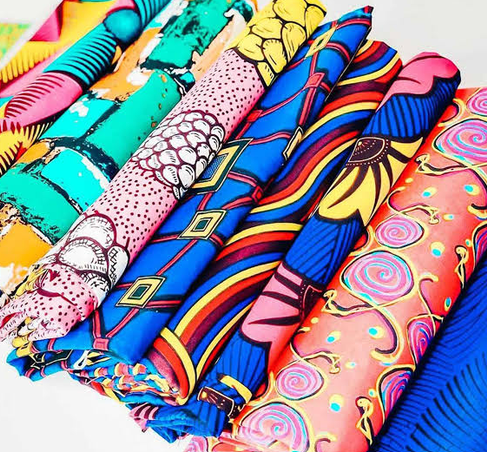
On a supermarket shelf, two similar products compete for attention. One was manufactured in Nigeria. The other came from abroad. The Nigerian product may be cheaper and may have travelled a shorter distance. Buying it could support local jobs. Yet the imported alternative, with polished packaging and a familiar name, can still feel like the safer choice. For decades, Nigerians have been urged to buy locally made goods. Greater demand should strengthen domestic industries, create jobs and reduce dependence on imports. But consumers do not make every purchase out of patriotism. They compare prices, judge quality and remember previous disappointments. This is where the campaign to buy Nigerian meets the reality of the marketplace. The country has capable manufacturers, but many produce under conditions that make affordability and consistency difficult. Ultimately, the consumer’s trust must resonate with every purchase.
Patriotism has a spending limit
A locally manufactured product can cost more than an imported alternative because Nigerian producers often provide services that factories elsewhere take for granted. They generate electricity, secure water, protect their premises and transport goods across difficult roads. Some depend on imported machinery, replacement parts, packaging or raw materials purchased with foreign currency. These expenses eventually reach the shelf. The Manufacturers Association of Nigeria reported that manufacturers spent about ₦1.1 trillion on alternative energy in 2024. During the same year, the value of unsold finished goods rose to approximately ₦2.14 trillion. The association linked the increase to weak demand, rising production costs and declining purchasing power. Producers must recover higher expenses while customers are less able to absorb price increases. The shopper’s immediate question is whether the product is affordable. If an imported item appears to offer more value or reliability for a similar price, national loyalty may not be enough.
The memory of one bad purchase
Price is only one part of the resistance. Trust is another. A consumer who has experienced a leaking container, fading fabric or an unreliable appliance may approach the next Nigerian product cautiously. The disappointment may involve one manufacturer, but the judgement can spread to an entire category, harming serious producers. Consumers are particularly sensitive to inconsistency. A product may perform well during the first purchase and disappoint during the second. Its packaging may remain unchanged while its quantity, texture, colour or durability changes. Once buyers believe that quality cannot be predicted, the brand loses something more valuable than one sale. It loses confidence. Research on consumer attitudes has identified perceived quality as an important influence on purchasing decisions. A 2025 study in Cross River State found that quality significantly affected the consumption of locally manufactured goods. The problem is not simply a preference for foreign labels. It is also the fear of wasting limited money. During high living costs, shoppers may choose the brand least likely to fail. An imported product is not automatically better, but the belief that it is more reliable has commercial power.
When a good product looks uncertain
A product can be well made and still lose attention because its packaging, labelling or advertising does not inspire confidence. Shoppers use presentation as a shortcut when they cannot test an item. A clear label, secure container, consistent design and professional website suggest attention to detail. Poor presentation creates the opposite impression, even when the product itself is sound. Imported brands often arrive with familiar names, recognisable packaging and years of promotion through international media and retail platforms. A small local producer may compete against that influence with a plain label and limited advertising. Branding helps consumers understand what a product offers and why it deserves their money. Some local businesses weaken that opportunity by using foreign-sounding names or packaging designed to resemble imported goods. Such choices may secure a sale, but they do little to build lasting confidence in Nigerian manufacturing.
Imported does not always mean superior
Foreign goods have long been associated with status, modernity and superior quality. A foreign label can signal taste or financial success even when a Nigerian alternative performs equally well. Nigerians do not reject everything produced at home. Domestic brands have built loyalty across several industries, showing that buyers support local products when quality, availability and brand confidence come together. Imported goods can be unsuitable for Nigerian conditions or conceal poor quality behind attractive packaging. Imported describes origin, not excellence. Yet if the Nigerian alternative must repeatedly prove itself while the foreign product receives automatic trust, the local manufacturer begins from behind.
The factory behind the price
It is easy to demand lower prices from Nigerian producers. It is harder when almost every stage of manufacturing carries an additional cost. Unreliable electricity forces factories to depend on diesel, gas or private power arrangements. Foreign exchange instability raises the cost of imported machines, chemicals, components and spare parts. Poor roads, congestion, insecurity and high fuel prices increase transport costs, while expensive credit makes investment difficult. These conditions prevent many businesses from producing on a scale large enough to reduce unit costs. Without competitive prices, demand remains weak. Weak demand then prevents expansion. Consumers complain about price while manufacturers lack the sales to lower it. In 2024, manufacturing capacity utilisation improved to 57 per cent from 55.1 per cent in 2023. Yet rising unsold inventory showed that producing more did not mean consumers could buy more. Warehouse stock represents money already spent on labour, electricity, materials and transport. Local producers are caught between raising prices and losing customers, or holding prices and making production unsustainable. The figures also show that the challenge is not entirely consumer prejudice. Nigerians cannot buy what they cannot afford. A reliable local product may remain on the shelf because food, rent, transport and school fees have taken priority.
Trust cannot be demanded
Campaigns encouraging Nigerians to buy local products have economic value, but patriotism cannot substitute for performance. Manufacturers must offer consistent quality, transparent information, dependable service and presentation that reflects the value of their products. Complaints are opportunities to protect trust. A customer who receives a refund, replacement or clear explanation may remain loyal, while one who is ignored may discourage other buyers. Regulators must ensure that products meet clear safety and quality standards. Government support must also go beyond slogans. Reliable electricity, better transport, accessible credit, stable policies and improved industrial infrastructure would help producers lower costs without sacrificing quality. Local manufacturers can turn Nigerian identity into an advantage. They understand local tastes, climates, habits and practical needs in ways distant producers may not. A product designed for Nigerian consumers should not have to imitate a foreign one.
Winning the buyer, not guilting the buyer
The struggle is often presented as a conflict between patriotic producers and citizens who prefer foreign goods. The truth is more complicated. Consumers want value. Manufacturers want to survive. Both operate within an economy that makes those goals difficult to reconcile. Nigerian buyers can consider local alternatives with an open mind, but manufacturers must give them reasons to return. Quality must remain consistent. Prices must feel justified. Branding must inspire confidence. Complaints must be taken seriously. Made-in-Nigeria products will not win because shoppers are instructed to buy them. They will win when choosing local no longer feels like a compromise. Until then, the contest will continue quietly, one product beside another, during the few seconds a shopper decides which name deserves trust.