
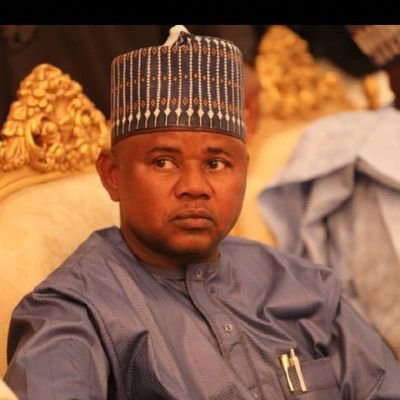
Suspected Boko Haram insurgents ambushed the campaign motorcade of Mustapha Gubio, the All Progressives Congress governorship candidate in Borno State, along the Kareto-Damasak road on Thursday, 3 September 2026. Gunmen detonated an improvised explosive device before firing rocket-propelled grenades and automatic rifles into the long column of civilian vehicles and police escorts. A joint detachment of soldiers, police tactical squads, state intelligence operatives, and Civilian Joint Task Force fighters repelled the assault after a fierce firefight. The security detail safely evacuated Gubio and his entourage from the kill zone, recording no fatalities among the political delegation. Insurgent fire damaged several armoured police trucks, leaving bullet scars and shattered glass along the tarmac. The daylight ambush punctures official claims that military sweeps have cleared the northern fringes of Borno of organised terror cells. Politics in the north-east remains a high-stakes gamble with mortality. Bullet-proof steel offers the only real platform for rural votes.
The assault took place around 2:30 pm near the remote farming settlement of Kareto as the delegation returned from a political tour. Gubio had travelled north to thank local party delegates and traditional elders following his recent emergence as the ruling party standard-bearer. Insurgents concealed the explosive charge inside the highway shoulder to break the speed of the lead gun trucks. When the blast shook the front of the convoy, hidden rifle squads opened fire from thick scrubland. Security escorts deployed heavy suppressive fire, forcing the attackers to abandon their ambush positions and melt back into the desert brush. Police bomb disposal teams swept the tarmac immediately after the clash, defusing secondary explosive booby traps set along the retreat path. Terrorists still dictate the operational terms of engagement on remote highways. Road travel outside garrison towns requires combat-ready firepower.
The Kareto-Damasak corridor has long served as a hunting ground for Islamic State West Africa Province and remnant Boko Haram fighters. The open savanna provides easy transit routes between deep hideouts around Lake Chad and the international frontier with the Niger Republic. Despite repeated counter-insurgency clearance runs by Operation Hadin Kai troops, armed cells reoccupy these desert crossroads the moment military patrols return to base. Insurgents monitor highway traffic with local spotters, targeting political convoys to win cheap propaganda points and capture military hardware. The ambush demonstrates that outlaws maintain functional weapons pipelines, regularly deploying military-grade rocket launchers and factory explosives against hardened targets. State control in northern Borno remains largely confined to heavily fortified district headquarters. Beyond the perimeter fences of garrison towns, sovereign authority grows painfully thin. Unsecured trunk roads turn ordinary political travel into tactical combat operations.
The brazen attack strikes at the core of the state government’s flagship resettlement and reconstruction programme. For four years, outgoing Governor Babagana Zulum has urged displaced farming populations to return to ancestral border communities like Damasak and Gudumbali. The administration poured billions of naira into rebuilding burned schools, rural clinics, and perimeter security trenches to project an air of permanent stability. Yet ordinary rural folk lack the heavy armoured escorts that saved Gubio and his campaign aides from death. Peasant farmers who venture outside protected town perimeters face abduction, lethal ambushes, and illegal harvesting taxes. Telling displaced refugees to cultivate remote crop fields while regional highways remain active combat zones borders on administrative recklessness. Symbolic returns of displaced persons cannot replace genuine territorial security. No family can farm under the shadow of rocket launchers.
The political fallout from the Kareto ambush will reshape campaign tactics ahead of the upcoming governorship contest. Electoral aspirants must now decide whether to risk overland tours to border constituencies or abandon personal visits entirely. Restricting electioneering to Maiduguri would cut off hundreds of thousands of rural voters from direct political contact. Opposition parties will seize on the incident to argue that the ruling party has failed to secure its own political backyard after a decade of promises. The ruling party will likely respond by expanding military escorts, diverting scarce frontline combat troops to protect VIP candidates. Diverting regular soldiers from border surveillance to guard political motorcades weakens regional defence lines. Elite protection comes at the direct expense of rural safety. Politicians consume the very security that ordinary citizens desperately need.
The attack also exposes the persistent weaknesses of regional intelligence gathering in the Lake Chad basin. Moving a heavily armed assault squad with rocket launchers to a main road requires careful planning and local reconnaissance. Yet state intelligence desks failed to detect the preparation of the ambush site or the laying of roadside mines. The insurgents evidently moved through rural communities without raising alarms among local informants. Fear of brutal jihadist reprisals keeps rural villagers from sharing intelligence with uniform personnel. When rural communities view security forces as temporary visitors and insurgents as permanent neighbours, silence becomes a survival strategy. High-altitude reconnaissance drones and satellite feeds cannot substitute for cooperative human networks on the ground. Broken trust between the military and rural populations blinds state commanders. A deaf military cannot prevent highway ambushes.
The federal government in Abuja must reassess its habit of declaring technical victories over north-eastern terror networks. Defence chiefs routinely announce the total degradation of Boko Haram while civilian convoys come under sustained rocket fire on federal highways. The military needs to establish permanent forward operating posts along the Kareto-Damasak axis rather than relying on occasional combat patrols. Regulators and security agencies must also choke off the smuggling channels that supply commercial explosives and rocket munitions across the Sahel. State authorities should integrate the Civilian Joint Task Force into a formal, pensionable security corps with modern communication gear. Nigeria cannot hold credible democratic elections in the north-east while candidates require battalion-strength escorts to greet rural voters. Real peace requires holding the land, not merely escorting VIPs through burning roads.