
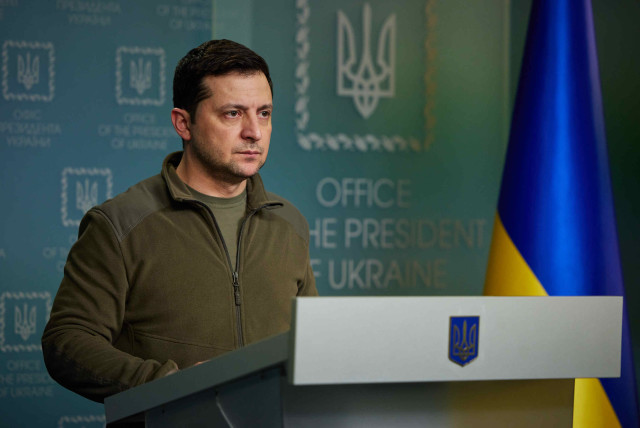
President Volodymyr Zelensky has dismissed Ukraine’s army chief, General Oleksandr Syrskyi, following days of street protests across major cities. The Ukrainian leader appointed Major General Mykhailo Drapatyi to replace the Soviet-trained commander on Tuesday evening. The abrupt shake-up follows a political crisis triggered by the firing of former Defence Minister Mykhailo Fedorov last week. Protesters flooded the streets of Kyiv after Fedorov accused the military chief of sabotaging crucial technological reforms. The dismissal marks the second time Zelensky has replaced his top commander since Russia invaded. Public anger finally forced executive action in Kyiv.
The ideological rift between the defence ministry and the high command had simmered openly for months. Fedorov, a 35-year-old technology advocate, prioritised drone warfare, modern procurement, and rapid digital integration across infantry units. Conversely, the 60-year-old Syrskyi favoured conventional infantry tactics and traditional artillery engagements. The ousted minister publicly accused the senior general of protecting an archaic, Soviet-style command hierarchy. Syrskyi denied the allegations, insisting that no general can convert a massive military to drones overnight. The strategic clash deeply fractured wartime political unity.
Drapatyi takes command at a delicate juncture for Ukraine’s defensive operations. The 43-year-old officer previously directed ground operations and led troops during the early Donbas campaign. He gained legendary status in 2014 by ramming an armoured vehicle through a pro-Russian checkpoint in Mariupol. The newly elevated commander pledged to enforce absolute accountability and accelerate technical modernisation across all military branches. Fedorov warmly welcomed Drapatyi’s promotion, describing the decision as an essential breath of fresh air. Tactical success now rests on his young shoulders.
The street demonstrations exposed rare, bitter divisions within Kyiv’s political elite. Thousands of citizens gathered outside the presidential offices demanding Syrskyi’s immediate removal and Fedorov’s reinstatement. Critics regularly faulted Syrskyi for showing indifference toward staggering troop losses along the eastern frontline. The general also faced severe backlash over heavy-handed conscription methods and stalled mobilisation reforms. Zelensky initially shielded his apolitical general from intense public criticism to avoid internal instability. However, mounting street pressure made the general’s continued tenure completely untenable.
Zelensky attempted to cushion the blow by publicly praising Syrskyi’s long military record. The president highlighted the general’s pivotal role in defending Kyiv during the initial invasion in 2022. He also credited Syrskyi with managing successful counteroffensives in Kharkiv and the western Kursk region. The presidential administration offered the ousted minister a fresh position to help coordinate national technological projects. It remains unclear whether the government reshuffle will permanently calm domestic political unrest. Sacking senior generals rarely guarantees immediate battlefield victories.
The dramatic command change comes as Ukrainian forces escalate long-range drone strikes against Russian energy infrastructure. Strategic assaults on Russian oil refineries aim to choke off Moscow’s main fiscal revenues and military supply chains. Drapatyi must now balance aggressive deep-strike operations against stubborn Russian pressure along the eastern front. Military analysts warn that changing commanders during active operations carries significant organisational risk. The new leadership team must quickly integrate modern technology into frontline infantry units. Maintaining battlefield momentum requires immediate, decisive operational clarity.