
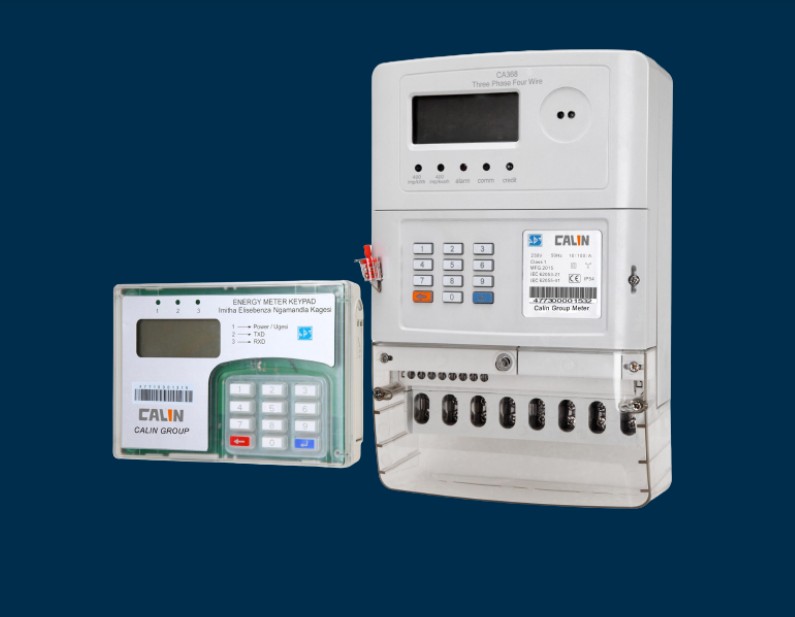
Nigeria’s power distribution companies left 4.85 million grid customers without meters by the end of June 2026, according to the Nigerian Electricity Regulatory Commission. The regulator’s latest factsheet shows the national metering rate reached 61.51 per cent, creeping up from 60.22 per cent in May. Electricity suppliers installed 308,106 meters across the country between May and June, nearly doubling their monthly deployment speed in the final weeks of the quarter. Total active grid customers expanded slightly to 12.59 million, of which only 7.74 million possess functional measuring units. That gap leaves four out of every ten electricity users at the mercy of arbitrary estimated bills. Official statements celebrate incremental percentage advances while millions of households pay for power they never consume. Progress remains glacial where structural incentives reward administrative laziness. Monopoly distributors profit directly from broken measuring tools.
The distribution firms added 203,521 new meters in June alone, marking their strongest single-month installation drive this year. That surge followed a far more sluggish effort in May, when field teams installed just 104,585 units. Regulators credit the mid-year acceleration to tighter performance rules under the Electricity Act 2023. The sector watchdog insists that full metering will curb massive commercial losses and improve cash collections across the wholesale market. Yet utility firms have missed repeated regulatory deadlines to eliminate estimated billing over the past decade. Distributors prefer to issue arbitrary monthly invoices based on guesswork rather than invest corporate capital in physical hardware. In a competitive market, a merchant who refuses to weigh his grain loses his trade. Protected power cartels simply inflate their charges.
Geographical divides continue to skew the national performance numbers across the eleven distribution zones. Two commercial franchises in Lagos dominate the upper tier of the league table. Eko Electricity Distribution Company led the country with an 88.70 per cent metering level in June. Ikeja Electric followed closely behind, achieving an 87.91 per cent coverage rate across its dense suburban patch. Abuja Electricity Distribution Company also crossed the eighty per cent mark, posting 81.38 per cent coverage across the federal capital and adjoining states. By contrast, several northern distribution franchises languish below forty per cent coverage. These regional imbalances mirror broader differences in commercial liquidity and consumer wealth. Wealthy coastal cities get digital meters while provincial towns get estimated papers.
The persistent shortfall in physical meters sustains a contentious system of extortion on city streets. Distribution companies routinely issue estimated bills that bear no relation to the hours of supply delivered to neighbourhoods. Field technicians exploit the lack of meters to demand underhand cash settlements from frustrated tenants during disconnection drives. Consumers who try to buy meters under the Meter Asset Provider scheme face long delivery delays and bureaucratic excuses from bank desks. Many households wait months for private vendors to install equipment they funded out of pocket. The distribution firms sit on consumer funds while delaying the physical attachment of the equipment. Customers pay upfront for services they must chase down like beggars. Bureaucrats treat basic customer service as a gracious concession.
Estimated billing acts as an unacknowledged subsidy for inefficient utility balance sheets. If distributors put working meters on every wall, revenue would fall to match the actual supply delivered across broken wires. The current arrangement allows private operators to offload their aggregate technical, commercial, and collection losses directly onto captive households. When transformers blow up, or copper cables snap, bills arrive on schedule with inflated sums. Industrial workshops and small enterprise owners spend substantial income to fuel private backup generators while paying phantom utility bills. That double energy cost strangles small manufacturing and kills jobs on industrial estates. Reliable metering remains the primary condition for honest industrial accounting. Businesses cannot grow when energy bills resemble ransom demands.
The regulatory commission has tried to curb excesses by capping estimated bills for unmetered urban consumers. Yet distribution desks routinely flout these statutory price ceilings without facing swift financial penalties from the sector watchdog. Consumer complaints lodged with regional regulatory forums gather dust in administrative registries for months. Subnational governments must use their new powers under the amended electricity laws to set up state electricity regulatory boards. State commissioners can license independent meter asset providers without routing approvals through distant federal corridors. Regional competition would force legacy distribution monopolies to treat retail power users with commercial respect. Monopoly privileges wither when consumers can choose their supplier. Real accountability begins when local regulators hold territorial firms to book.
Nigeria cannot build a solvent, investment-ready electricity market while 4.85 million customer connections operate in the dark. Private power generating companies will continue to face liquidity shortages if distribution cash desks leak revenue through poor collection methods. Foreign energy investors avoid markets where retail billing depends on pencil estimates rather than tamper-proof electronic records. The federal government must make meter production a domestic industrial priority rather than relying on expensive imported kits. Import tariffs on vital electrical components should fall to encourage local assembly plants in regional hubs. The regulator must also penalise delinquent distribution firms by revoking operational zones that fail to hit basic installation targets. Four million unmetered homes represent an administrative failure, not an inevitable fact of life. Transparent meters must replace predatory estimates.