

African TB Response Faces $3.6 Billion Funding Gap – WHO
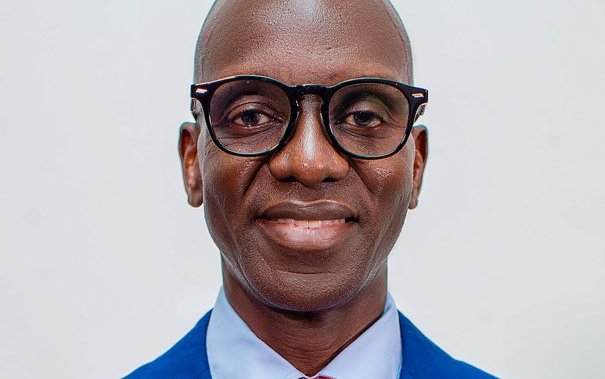
The World Health Organization (WHO) has warned that Africa requires $4.5 billion annually to mount a credible response to tuberculosis (TB), despite achieving the world’s fastest adoption rate for new treatments. In a message marking World TB Day 2026, WHO Regional Director for Africa, Dr. Mohamed Janabi, revealed that current funding levels leave a staggering $3.6 billion shortfall. This financial deficit persists even as the region records a 46% decline in TB-related deaths and a 28% drop in incidence since 2015.
The economic burden of the disease remains catastrophic for the continent’s most vulnerable. Nearly 70% of affected African households experience “devastating” financial consequences due to the cost of care and lost productivity, the highest proportion of any global region. Dr. Janabi noted that while several nations have met key milestones, such as South Africa reaching its 2025 incidence reduction target, the lack of investment continues to stall broader progress. Approximately 600,000 cases in Africa go undiagnosed or untreated every year.
Technological adoption provides a rare glimmer of optimism. Between 2023 and 2024, the use of the revolutionary six-month all-oral BPaLM regimen for drug-resistant TB surged from near zero to 40% in Africa. This treatment has achieved success rates exceeding 85%, and Africa currently leads the global uptake. However, only half of all patients on the continent have access to the WHO-recommended rapid diagnostic tests necessary to identify these cases early enough for effective intervention.
The “rifampicin-resistant” strain of the disease remains a significant threat, with 62,000 people developing this variant annually. Dr. Janabi emphasised that while shorter, more effective regimens are transforming outcomes, the “missing” hundreds of thousands of undiagnosed patients act as a reservoir for continued transmission. He urged African governments to increase domestic health spending and move away from over-reliance on dwindling international donor support.
WHO has pledged to continue its technical guidance to help member states integrate TB services into primary healthcare systems. The organisation’s strategy focuses on expanding laboratory surveillance and accelerating the rollout of rapid diagnostics to close the “detection gap.” Dr. Janabi called on civil society to hold leadership accountable to the commitments made at the UN High-Level Meeting on TB, stressing that ending the epidemic is “within reach” only if the funding gap is closed.
As the 2030 global deadline for ending TB approaches, the African region stands at a crossroads. Countries like Tanzania, Zambia, and Togo have demonstrated that a 75% reduction in deaths is possible through determined leadership. Yet, without an additional $3.6 billion in yearly investment, these gains remain fragile. The message from the WHO is clear: Africa has the clinical tools to defeat TB, but it currently lacks the capital to deploy them at scale.