


Jehovah’s Witnesses Relax Longstanding Blood Transfusion Stance
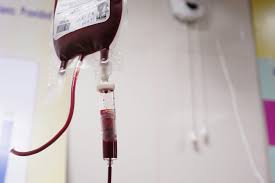
The Jehovah’s Witnesses movement has announced a significant doctrinal adjustment regarding blood transfusions, marking a recalibration of one of its most distinctive religious practices. In a formal clarification released through a video statement on their official website on Friday, the faith’s Governing Body has given members explicit permission to decide independently whether their own blood can be used during surgical procedures or medical treatments—a shift that maintains the sect’s longstanding prohibition on receiving transfusions from other people while introducing flexibility on the use of autologous blood.
The announcement, delivered by Governing Body member Gerrit Lösch, represents the most significant adjustment to the Witnesses’ blood doctrine in decades. It reflects an evolving understanding of biblical interpretation and acknowledges the reality that many members have already been quietly accepting blood-related medical procedures without explicit permission. For a religious movement historically defined by its absolute rejection of blood transfusions, the clarification carries considerable theological and practical significance.
“Regarding the use of one’s own blood…a Christian must decide for himself how his own blood will be handled in the course of a surgical procedure, medical test, or current therapy,” Lösch stated in the video message, providing the foundational principle underlying the new position. The statement represents a formal delegation of authority to individual believers—a departure from the collective uniformity that has historically characterised Witnesses’ health-related decisions.
The Governing Body’s reasoning rests on a distinction central to biblical interpretation within Witnesses theology. Lösch emphasised that while Christians must abstain from blood as a doctrinal principle rooted in scripture, the Bible itself does not explicitly address the medical use of a patient’s own blood during surgical intervention. This interpretive gap has provided theological space for the clarification. He referenced biblical instructions from the account of Noah and the Mosaic Law period, noting that contemporary Christians are not bound by ancient commands to pour out blood and cover it with dust—commands specific to that historical period.
“The Bible does not comment on the use of a person’s own blood in medical and surgical care,” Lösch explained, establishing the textual foundation for distinguishing between receiving another person’s blood and the medical management of one’s own blood volume during treatment. This theological differentiation underpins the entire clarification and suggests that Witnesses scholars have conducted extensive scriptural review to identify this interpretive distinction.
The practical implications of the clarification extend across multiple medical contexts already common within the movement. Lösch acknowledged that numerous members have long accepted procedures involving their own blood, including routine blood tests, extracorporeal circulation via heart-lung machines during cardiac surgery, cell salvage devices that recycle blood lost during operations, and kidney dialysis. These procedures, previously conducted under theological ambiguity or quiet exception, now have explicit Governing Body endorsement. The clarification formalises what many members have already been doing while bringing such decisions under conscious theological scrutiny.
Central to the new guidance is the concept of autologous blood management—the removal, storage, and reinfusion of a patient’s own blood during medical procedures. Lösch stated that “Some Christians may decide that they would allow their blood to be stored and then be given back to them. Others may object. Each Christian must make his personal decision on all matters involving the use of his own blood with regard to medical or surgical care.” This formulation explicitly transfers decision-making authority from centralised religious hierarchy to individual conscience, a notable shift in Witnesses governance structures.
The timing and context of the announcement carry particular significance within Nigeria, where the Witnesses’ blood doctrine gained renewed public attention following the death of Mensah Omolola, a prominent social media personality known as AuntieEsther, in December 2025. Omolola, a cancer patient, publicly rejected medical recommendations for blood transfusions, citing her faith commitment as a Jehovah’s Witness. Despite receiving over ₦30 million in donations from Nigerians who supported her alternative treatment approach, she ultimately succumbed to her illness. Her case sparked intense national debate about the intersection of religious conviction, medical necessity, and individual autonomy in end-of-life care.
The circumstances surrounding AuntieEsther’s death became particularly contentious when her church issued warnings of possible disciplinary action, including disfellowship, should she pursue medical treatments conflicting with Witnesses doctrine. This institutional pressure, combined with her public prominence and the substantial financial support she received from members of the general public, transformed her medical situation into a matter of public scrutiny and cultural debate. Her death underscored the real-world consequences of the strict blood prohibition and raised questions about whether the doctrine adequately balanced religious principle with medical pragmatism.
The Governing Body’s new clarification does not directly address transfusions of blood from other people, maintaining the movement’s foundational prohibition on accepting blood products from external sources. This distinction preserves the core doctrinal principle while creating space for individual medical decision-making regarding autologous procedures. The continued ban on allogenic transfusions—receiving blood from other individuals—remains absolute, reflecting what Witnesses theology identifies as direct biblical instruction.
The theological foundations of the Witnesses’ blood prohibition extend back decades and rest on specific biblical passages interpreted as absolute commands. The movement cites Genesis 9:4, which states that flesh with its blood “ye shall not eat”; Leviticus 17:10, which declares that anyone consuming blood shall be cut off from the people; Deuteronomy 12:23, which emphasises the importance of not consuming blood; and Acts 15:28–29, where early church leaders instructed believers to abstain from blood. These passages, interpreted collectively within Witnesses theology, form the scriptural foundation for the doctrine.
A formal 2019 Witnesses statement had previously clarified common misconceptions about their blood stance, emphasising that the movement does not reject medical care generally and does not rely on faith healing to replace medical treatment. The statement articulated the theological principle underpinning the doctrine: “God views blood as representing life. So we avoid taking blood not only in obedience to God but also out of respect for him as the Giver of life.” This formulation situates the blood prohibition not as a medical rejection but as a theological commitment reflecting a particular understanding of divine will and human reverence.
The development and acceptance of bloodless medicine has fundamentally altered the practical context within which the Witnesses’ blood doctrine operates. Over decades, medical innovation has created alternatives that allow high-quality surgical and critical care without transfusions of donor blood. Cell salvage technology, which collects and recycles a patient’s blood lost during surgery; extracorporeal circulation systems that oxygenate blood outside the body during cardiac procedures; haemodialysis for kidney failure; volume expanders and artificial oxygen carriers; and autologous blood banking all provide medical options compatible with the traditional blood prohibition.
These medical developments created an implicit tension within Witnesses practice. Members could accept procedures involving their own blood—procedures that modern medicine considered standard and appropriate—while maintaining doctrinal fidelity to the blood prohibition. As these practices became more common, the lack of explicit guidance created ambiguity. Some members may have felt conflicted accepting such procedures without clear authorisation; others may have proceeded quietly without seeking approval; still others may have unnecessarily refused beneficial treatments due to interpretive uncertainty.
The Governing Body’s clarification addresses this tension directly by acknowledging both the scriptural distinction between consuming blood and managing one’s own blood medically, and the reality of medical practice. By explicitly delegating decision-making authority to individual believers, the statement transfers responsibility from central religious hierarchy to personal conscience while establishing clear theological parameters.
The practical consequences of the clarification extend across multiple contexts. Cardiac surgery candidates, cancer patients requiring chemotherapy with blood monitoring, individuals with kidney failure requiring dialysis, and trauma patients eligible for cell salvage procedures all now have explicit permission to accept such treatments if they choose. The clarification does not compel acceptance—members retain the right to refuse—but it removes the theological barrier that previously made such acceptance doctrinally uncertain.
The clarification also reflects evolved understanding within Witnesses theology regarding scriptural interpretation. The distinction between consuming blood as food and managing blood medically represents a more nuanced reading of biblical texts than the undifferentiated prohibition that previously characterised Witnesses doctrine. This interpretive development suggests ongoing theological discussion within the movement and recognition that biblical texts require contextual interpretation rather than absolute literalism.
The Governing Body’s decision to formalise this position through official video statement and website publication signals its importance within the movement’s hierarchy of doctrinal decisions. The use of Gerrit Lösch, a senior Governing Body member, to deliver the clarification underscores its authoritative status. The careful theological reasoning provided—distinguishing between consuming blood, receiving transfusions from others, and managing one’s own blood medically—demonstrates the scriptural and interpretive work underlying the decision.
For the global Witnesses community, numbering approximately 8.7 million members, the clarification offers expanded medical autonomy while preserving core doctrinal commitments. For medical providers treating Witnesses patients, it potentially simplifies treatment decisions by reducing the categorical rejection of blood-related procedures while maintaining the prohibition on allogeneic transfusions. For individual believers navigating serious illness or surgical necessity, it provides explicit permission to make medical decisions based on personal conscience rather than seeking approval from church hierarchy.
The Nigerian context remains particularly significant. AuntieEsther’s case demonstrated both the power of the Witnesses’ blood doctrine to shape individual medical decisions and the profound personal consequences when such decisions intersect with serious illness. The national attention her case received—including substantial public financial support and media coverage—transformed what might otherwise have been an individual faith decision into a matter of public debate about autonomy, faith, and medical ethics.
The timing of the Governing Body’s clarification, arriving months after AuntieEsther’s death, suggests that her case may have contributed to internal Witnesses discussions about doctrine and practice. Whether the death directly influenced the Governing Body’s decision remains unknown, but the clarification undoubtedly alters how similar situations would be handled going forward. Future Witnesses patients facing serious illness would now have explicit permission to accept autologous blood procedures, potentially affecting medical outcomes and family decision-making.
The clarification also reflects broader trends within global Christianity regarding medical ethics and individual conscience. Mainline Protestant denominations and the Catholic Church have long permitted blood transfusions, viewing medical necessity as overriding doctrinal concerns. Evangelical and Pentecostal churches vary in their approaches. The Witnesses’ movement, historically positioned at the strict end of the spectrum, now occupies a more moderate position—maintaining distinctive theological commitments while acknowledging individual autonomy in specific medical contexts.
The distinction between doctrine and practice implicit in the clarification deserves particular attention. The Witnesses’ blood prohibition remains unchanged as stated doctrine—the movement continues to teach that consuming or receiving blood transfusions violates biblical principle. However, the permitting of autologous procedures acknowledges that theological principle and medical practice operate in different domains. One can hold to theological doctrine regarding blood while making pragmatic medical decisions about managing one’s own blood during treatment.
This theological-practical distinction may prove significant for understanding how religious movements navigate contemporary medical reality. As medical technology advances and creates increasingly sophisticated options, strict doctrinal uniformity becomes difficult to maintain without denying members access to beneficial treatment. The Witnesses’ approach—maintaining doctrinal principle while permitting individual conscience in specific applications—represents one way religious communities address this tension.
For healthcare providers and administrators, the clarification requires updated communication protocols and training. Medical staff treating Witnesses patients will need to understand the distinction between permitted autologous procedures and the continued prohibition on allogeneic transfusions. Patients themselves will need clear information about which procedures their faith now explicitly permits them to accept. Hospital ethics committees may need to revise their approaches to Witnesses patients, replacing absolute assumptions of blood refusal with more nuanced understanding of individual choice.
The long-term trajectory of Witnesses doctrine regarding medical practice remains unclear. The clarification on autologous blood represents one adjustment to traditional teaching. Whether additional theological recalibrations might follow—regarding other medical treatments or doctrinal areas—cannot be predicted from current information. The movement’s formal review process remains opaque to external observers, and the theological discussions preceding the clarification have not been publicly detailed.
What is evident is that the Jehovah’s Witnesses movement, despite its reputation for doctrinal rigidity, remains capable of significant theological adjustment when it determines that scriptural interpretation warrants such change. The clarification on blood transfusions demonstrates this capacity while preserving core identity commitments. For individual Witnesses members facing medical decisions, it expands their autonomy. For the global religious landscape, it represents another chapter in the ongoing negotiation between traditional doctrine and contemporary medical reality.