
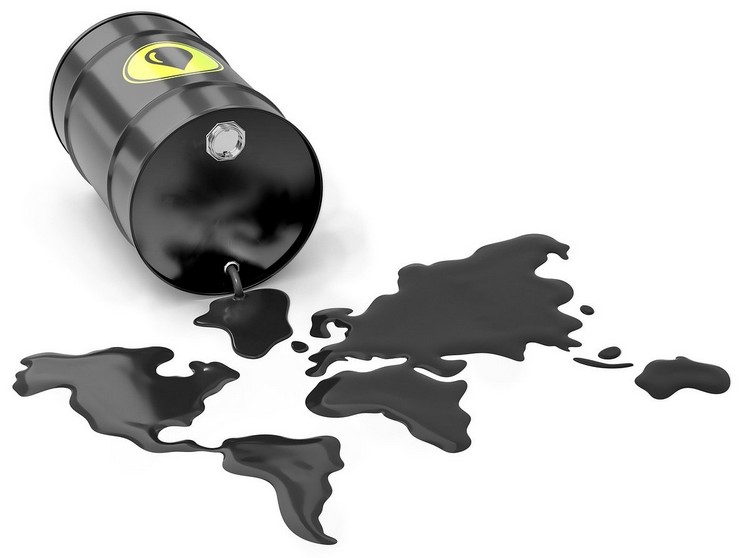
Global oil prices climbed sharply on Monday, with Brent crude rising by 2% to reach $109.33 per barrel. US-traded crude also saw a 2% gain, settling at $96.78. This upward momentum follows the continued closure of the Strait of Hormuz, a critical maritime chokepoint that handles approximately one-fifth of global oil and liquefied natural gas flows. As negotiations between the United States and Iran stall, the prospect of prolonged supply disruptions is rattling energy markets.
Diplomatic pathways appear increasingly narrow. Donald Trump recently cancelled plans to send a US delegation to Pakistan for talks with Iranian officials, citing deep divisions and confusion within Tehran’s leadership. While Iranian representative Seyed Abbas Araghchi has engaged in discussions with Oman regarding maritime safety and held high-level meetings in St Petersburg, no concrete de-escalation has emerged. The market remains in a state of high alert, awaiting signs of a diplomatic breakthrough.
The economic implications of this disruption extend far beyond the fuel pump. Analysts warn that the scarcity of crude will ripple through global supply chains, impacting the production of essential goods ranging from medicine to basic household items. Because global economies consume refined derivatives rather than raw crude, a sustained bottleneck at the Strait threatens to cause a widespread manufacturing and retail slowdown. Economists suggest the true cost of this crisis will be felt in the coming weeks if the waterway remains impassable.
Financial markets have reacted with characteristic volatility. London’s FTSE 100 experienced a slight dip, reflecting investor unease regarding the European energy outlook. Conversely, Asian indices, including the Nikkei 225 and Kospi, have posted gains, suggesting that traders are beginning to price in the current reality rather than reacting to the initial shock of the conflict. The broader market sentiment remains fragile, tethered to every update regarding the security of Gulf trade routes.
The current situation leaves little room for error. With the United States holding a firm diplomatic stance and Iran facing internal political instability, a resolution appears distant. Traders are maintaining a cautious posture, waiting for a definitive sign of de-escalation before shifting their positions. Until the Strait of Hormuz reopens, volatility will likely remain the defining feature of the energy sector.