
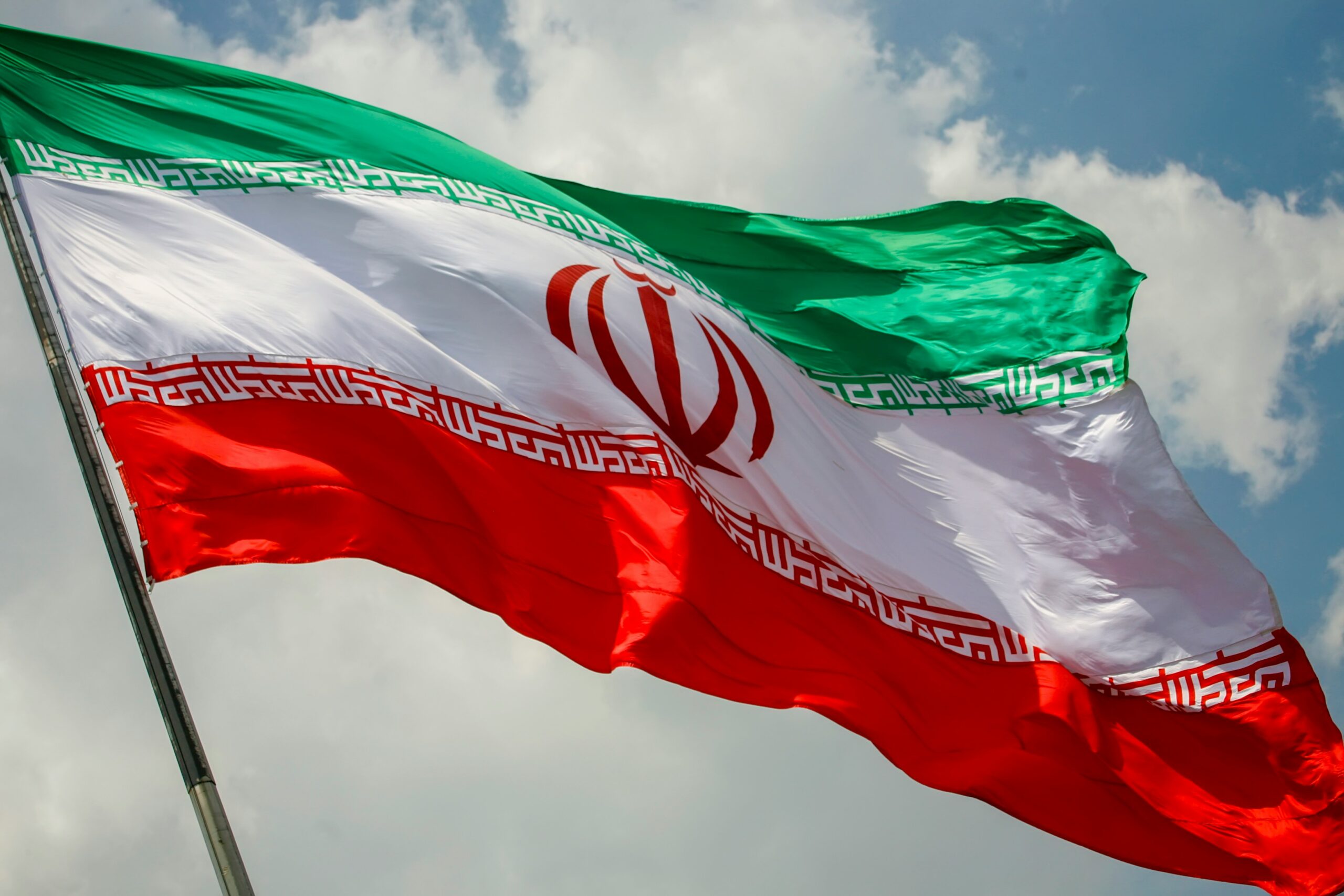
Iran has delivered its formal response to a US peace proposal through Pakistani mediators. While the contents remain secret, the exchange marks the first significant diplomatic movement since the conflict began in February. President Masoud Pezeshkian insists that negotiation does not signal surrender. He maintains that Tehran acts only to defend national interests and sovereign rights. This cautious rhetoric aims to satisfy hardliners while keeping the door to a settlement ajar. The world now waits to see if the 14-point memorandum of understanding can bridge the gap.
The American proposal reportedly demands a total halt to Iranian nuclear enrichment. In exchange, Washington offers to lift the sanctions currently strangling the Iranian economy. A key condition involves restoring free transit through the Strait of Hormuz. Iranian lawmakers have previously mocked this document as a mere wish list. However, the fact that a formal response exists suggests the pressure of the blockade is working. The US Navy continues to squeeze Iranian ports to force a signature.
Donald Trump claims the war will end quickly. He recently warned that a failure to agree would lead to bombing at a much higher intensity. This “deal or strike” approach defines the current American strategy. Most observers believe the 14-point memo is a test of Tehran’s breaking point. The US administration seems confident that the Iranian state cannot endure a prolonged maritime siege. Trump is betting that the threat of destruction will outweigh revolutionary pride.
Tehran is fighting back by choking the global energy supply. By blocking the Strait of Hormuz, Iran has sent world oil prices climbing. Military officials warn that any vessel following US sanctions will face severe consequences. Recent drone incursions into Kuwaiti and Emirati airspace show that Iran can strike US allies at will. A projectile, a clear signal of intent, recently hit a bulk carrier near Doha. Iran wants to prove that if its ports stay closed, the Gulf stays closed.
A fragile ceasefire has held despite these occasional skirmishes. Both sides seem to recognise that a full-scale ground war would be a disaster. The current naval standoff allows for a high-stakes game of chicken without total escalation. Iran claims the US cannot truly blockade the vast expanse of the Indian Ocean. Yet the presence of the American fleet has effectively halted most commercial traffic. This economic paralysis is the primary driver behind the current diplomatic outreach.
Defence ministers from 40 nations will meet tomorrow to discuss the future of the strait. Led by the UK and France, the coalition seeks a plan to police maritime traffic once the war ends. They aim to ensure that no single power can hold a fifth of the world’s energy hostage again. This international pressure adds another layer of isolation for the Iranian government. It is no longer just a fight with Washington and Tel Aviv. The global community is losing its patience with disrupted trade routes.
The outcome now rests on whether Pezeshkian can sell a deal at home. He must balance the demands of the military with the needs of a suffering population. The 14-point memo asks for deep concessions on nuclear ambitions that Iran considers a matter of national dignity. If the response sent via Pakistan offers a real compromise, the war might indeed end quickly. If it is merely a stalling tactic, the promised increase in bombing intensity seems inevitable. The next 48 hours will determine if the Middle East moves toward a truce or a wider fire.