
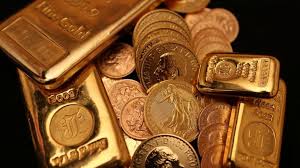
Gold opened the new trading week on a cautious note, slipping below the $4,700 mark as geopolitical tensions and expectations of a hawkish United States Federal Reserve continued to weigh on the precious metal’s recent recovery.
The commodity fell 0.5 percent to $4,690 per ounce at the London stock market on Monday, according to Reuters, as a strengthened US dollar dampened appetite for the yellow metal. The dollar’s reserve currency status typically moves in the opposite direction of gold, and renewed confidence in its position amid global uncertainty has placed fresh pressure on bullion prices.
Despite the decline, market observers noted the absence of strong follow-through selling, suggesting that investors should exercise caution before concluding that gold’s recent recovery has run its course. The precious metal had bounced back from the $4,500 psychological support level, described by Reuters as a more than one-month low touched last week, before losing momentum again at the start of the current week.
The renewed pressure on gold comes against the backdrop of escalating tensions in the Middle East, particularly in the Strait of Hormuz, a critical waterway through which a significant share of the world’s oil supply passes. Hopes for a diplomatic resolution between the United States and Iran faded rapidly after both sides rejected each other’s peace proposals, according to widely circulated reports.
Hostilities in the strait resumed following the collapse of the proposed ceasefire framework, with Washington and Tehran unable to find common ground over Iran’s nuclear programme. The disagreement not only dashed hopes of a de-escalation agreement but also added a fresh layer of uncertainty to global commodity markets, which had briefly rallied on the prospect of renewed diplomatic engagement.
Gold has historically performed well during periods of geopolitical instability, as investors tend to shift towards safe-haven assets. However, the current environment presents a more complex dynamic. While conflict in the Strait of Hormuz would ordinarily support gold prices, the simultaneous strengthening of the US dollar driven by Federal Reserve policy expectations has partially neutralised that effect.
The Federal Reserve’s outlook remains a central variable. Market participants increasingly expect the Fed to maintain a cautious, if not outright hawkish, monetary stance, limiting the likelihood of aggressive interest rate cuts in the near term. Since gold yields no interest, a higher interest rate environment generally reduces its appeal relative to dollar-denominated assets, according to standard market analysis widely reported across financial platforms.
Gold reached a record high of over $3,500 per ounce in April 2025, according to historical pricing data widely referenced by financial news organisations, before continuing its broader upward trajectory through the rest of that year. The current trading range around $4,690 reflects both the metal’s longer-term gains and its more recent struggle to sustain momentum above key resistance levels.
Traders and analysts will be watching closely for any shift in either the geopolitical situation or Federal Reserve communications that could determine whether gold reclaims the $4,700 level or continues to face selling pressure in the sessions ahead.