

Peter Obi Vows to Serve Single Term
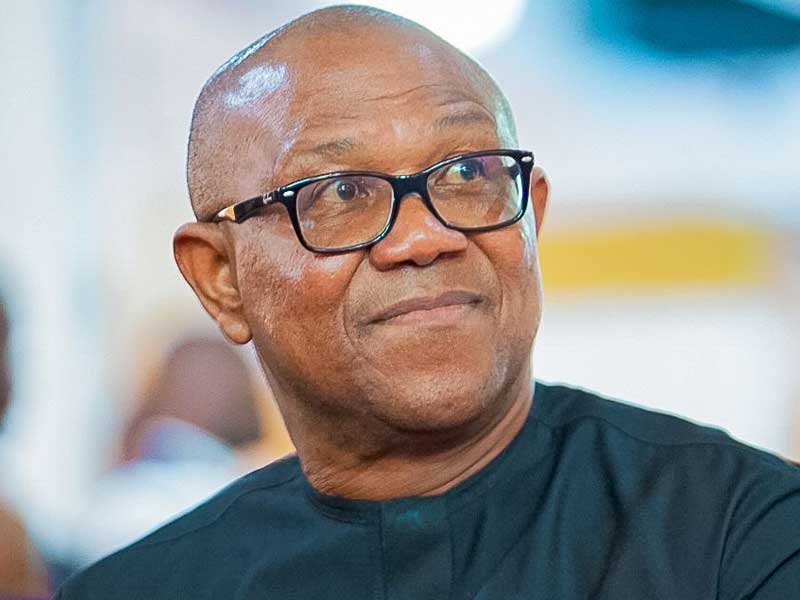
Peter Obi has declared he will serve only a single four-year term if he wins the presidency. He insists he would not stay a day longer, even with a gun to his head. This pledge aims to provide political stability in a country where second-term ambitions often paralyze governance. Most Nigerian leaders spend their first four years planning how to keep power for another four. Obi suggests that a fixed, short window would force a president to focus entirely on results. It is a bold play to win over voters tired of perpetual electioneering.
The former Anambra governor believes four years is enough to set a new direction for the country. He argues that the obsession with re-election breeds corruption and administrative waste. By removing the incentive to campaign for a second term, he claims he can make the hard choices that politicians usually avoid. This “one and done” approach is designed to contrast with the current political class. Whether a single term is sufficient to fix Nigeria’s structural rot remains a point of debate. Critics will argue that deep reforms often take a decade to bear fruit.
Obi also aimed at the current government’s handling of the economy. He describes the present period as one of the most difficult in the nation’s history. Inflation and the rising cost of living have squeezed the middle class and pushed the poor into desperation. He blames much of this pain on reckless borrowing and poorly timed reforms. The administration in Abuja maintains that these shocks are necessary for long-term health. Obi disagrees and labels the current path a recipe for social unrest.
The 2023 Labour Party candidate has maintained a high profile since his third-place finish. He continues to act as a primary voice for the opposition. His criticisms usually focus on fiscal discipline and the need to move from consumption to production. This latest interview serves as an early marker for the 2027 electoral cycle. He is already framing the next contest as a choice between status quo politics and his brand of austerity. His supporters see him as a frugal alternative to the perceived excesses of the ruling party.
Stability is the keyword in Obi’s latest political messaging. He wants to convince the elite and the electorate that he is not a power-hungry careerist. A single term could serve as a transition period to reset the country’s broken institutions. This strategy might also appeal to other regional power brokers who are wary of long-term dominance by one man. By promising to leave early, he potentially opens the door for quicker power rotation. It is a calculated gamble to broaden his appeal beyond his youth-led base.
The reality of Nigerian politics often breaks such idealistic promises. Once in office, the pressure from party loyalists to retain power is immense. Patronage networks rely on a leader staying in the villa for as long as the law allows. Obi’s “gun to the head” rhetoric is meant to signal a rare level of personal resolve. However, voters have heard similar pledges from past candidates who eventually changed their minds. His challenge will be to prove that his word is more reliable than the precedents of the last two decades.