
NDC Adopts Peter Obi, Pledges 10,000MW Power Boost
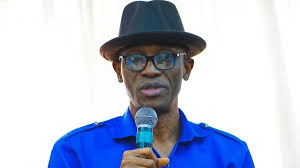
The Nigeria Democratic Congress has officially chosen former Labour Party flagbearer Peter Obi as its consensus presidential candidate. The opposition party ratified the nomination at its national convention in Abuja after Obi emerged as the sole cleared aspirant. His formal adoption seals a dramatic realignment within the opposition coalition ahead of the upcoming election cycle. Accepting the nomination, Obi unveiled an ambitious infrastructure programme aimed at ending the chronic electricity deficit of the country.
The centrepiece of the economic platform of the party relies on an aggressive overhaul of the national grid. The standard-bearer promised to generate 10,000 megawatts of electricity within his first two years in office. He argued that the current power generation, which frequently collapses below 4,000 megawatts, cripples domestic manufacturing and repels foreign capital. The candidate intends to buy modern turbine technology and expand solar infrastructure across the northern states. His advisers insist that a stable energy sector remains the only catalyst capable of lifting millions out of poverty.
The move to the newly formed coalition signals a clean break from the factional crisis plaguing the Labour Party. Obi left his former political home earlier this year alongside prominent regional leaders, including former Kano State Governor Rabiu Kwankwaso. The political duo launched the “OK Movement” to build a massive, youth-led third force capable of challenging the ruling party. The national chairman of the opposition group handed the registration card to the candidate, describing the moment as a turning point for domestic democracy.
The newly formed coalition aims to correct the structural flaws that cost the opposition victory in the 2023 elections. Party strategists believe that a unified front can easily defeat the incumbent administration. By consolidating the massive youth following of Obi in the south and the grassroots network of Kwankwaso in the north, the party has built a formidable national apparatus. The leadership promised to maintain absolute internal democracy to prevent the legal squabbles that usually disintegrate third-party movements in Nigeria.
The grand campaign promises face immense skepticism from energy experts and economic analysts. Skeptics point out that successive administrations have spent billions of dollars on the electricity sector with little progress to show. Raising generation capacity to 10,000 megawatts requires more than just political will. It demands massive capital investments, the complete rehabilitation of fragile transmission lines, and total deregulation of gas pricing. The candidate has yet to provide a detailed breakdown of how his administration would fund this massive infrastructure initiative.
The official ratification sets up a highly competitive three-horse race for the presidency. The ruling party must now defend its economic record against a re-energised third force and a fractured Peoples Democratic Party. Obi urged his supporters to remain disciplined and focused on the massive task of national reconstruction. His campaign team intends to launch a nationwide tour next month to popularise the energy mandate of the party. For an electorate exhausted by rolling blackouts, the promise of electricity will take centre stage in the upcoming debates.