
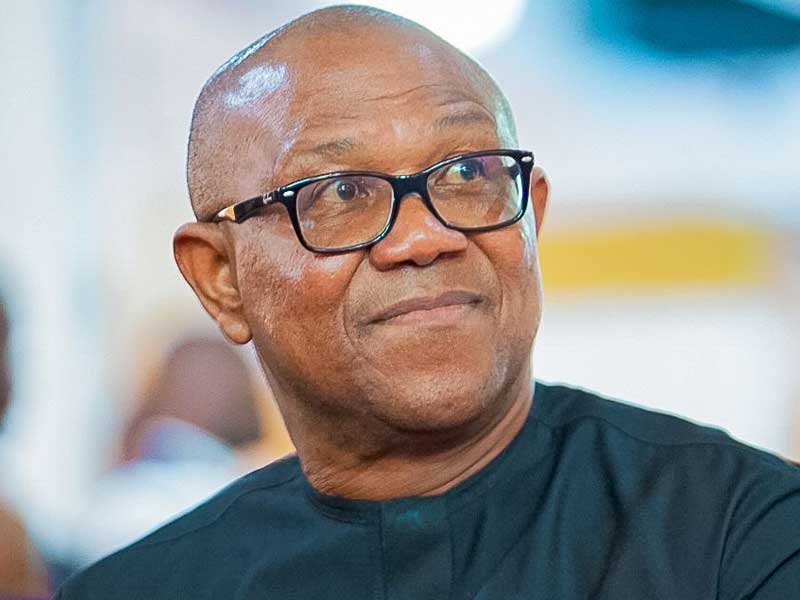
Mr Peter Obi has emerged as the sole presidential aspirant for the Nigeria Democratic Congress after the party closed the sale of its executive nomination forms. Party officials confirmed that the former Anambra State governor was the only candidate to buy the presidential expression of interest form before the Sunday deadline. The development clears the path for Mr Obi to lead the party into the 2027 general election. He recently joined the party after a brief stint with the African Democratic Congress. This swift consolidation of power suggests the party is betting its entire future on his personal brand.
The opposition party has now extended the deadline for all other elective positions by one week. Candidates looking for legislative and gubernatorial tickets have until midnight on Sunday to submit their paperwork. The extension does not apply to the top of the ticket. Party leaders are eager to present a united front early in the electoral cycle. They want to avoid the messy internal friction that usually tears young coalitions apart. By locking in Mr Obi, the party can now focus its resources on down-ballot races.
Official screening for all cleared aspirants begins today across the country. A screening committee will vet candidates on local popularity, competence, and moral character. Aspirants must present six copies of their credentials, including birth certificates and party cards. The party also plans to enforce its affirmative action quotas for women and youth during this window. These strict bureaucratic hurdles aim to weed out weak contenders before primary voting begins. It is an attempt to build institutional credibility on a tight timeline.
The party leadership is openly pushing for consensus-building among its remaining contestants. Only candidates who pass this initial vetting process can buy actual nomination forms later this month. This two-stage system gives the party executives immense power to shape the final ballot. They can easily block troublemakers under the guise of character assessment. It remains to see if local chapters will accept this heavy-handed approach from national headquarters. Top-down control often alienates the grassroots organizers who actually win elections.
Mr Obi now faces the challenge of turning his personal popularity into a functional national machine. His frequent party-hopping suggests a politician in search of a compliant vehicle rather than an ideologue building a movement. The Nigeria Democratic Congress offers him a clean slate but lacks deep roots in northern constituencies. He must quickly build a broad coalition to challenge the ruling party effectively. Running unopposed at home is the easy part. The real test lies in convincing a cynical electorate that this new platform is more than a vanity project.