


Naira Stabilises Near 1,371 Against US Dollar
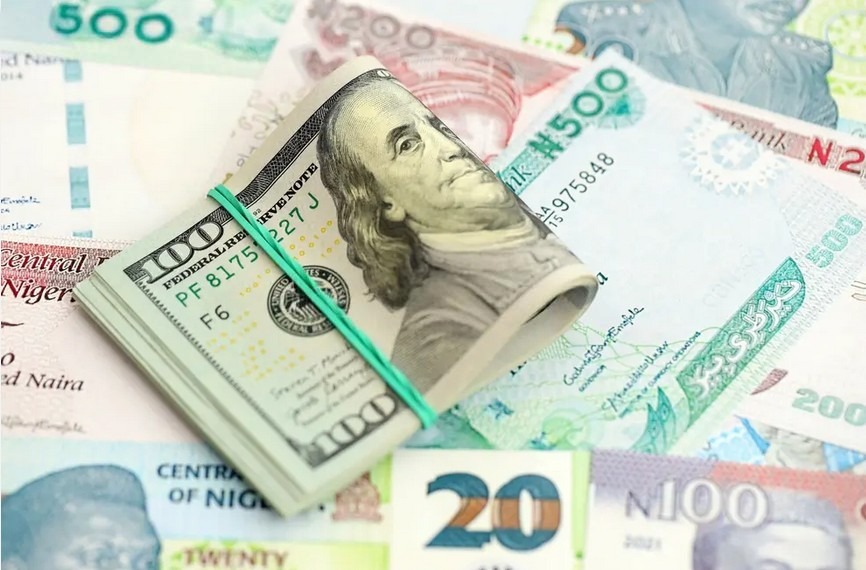
The Nigerian naira held steady against the United States dollar at the start of June’s trading cycle. In the official foreign exchange window, the domestic currency exchanged at an average rate of 1,371 naira per dollar. Data from the FMDQ Securities Exchange tracked early morning transactions oscillating tightly between 1,370 and 1,372 naira. This relative calm follows a turbulent period of interventions by the Central Bank of Nigeria. The apex bank continues to squeeze local liquidity to prevent speculative attacks on the currency.
The current stability reflects a deliberate tightening of monetary policy by the regulatory authorities in Abuja. By maintaining high benchmark interest rates, the central bank has managed to attract modest portfolio investments into short-term debt instruments. This strategy provides the foreign reserves with the necessary cushion to meet immediate commercial import demands. However, manufacturing groups warn that high borrowing costs are severely crippling local factory output. The state must constantly balance currency defense against the risk of domestic economic stagnation.
Parallel market operators in Lagos and Abuja reported a matching convergence with the official trading rates. Street traders sold the greenback for roughly 1,375 naira, representing a historically low premium over the formal window. The narrowing of this gap suggests that retail panic has eased significantly across the country. Importers are increasingly finding it easier to source dollars through standard banking channels rather than relying on underground brokers. This structural alignment remains a core objective of the current administration’s financial reforms.
Persistent structural challenges still threaten the long-term health of the foreign exchange market. Nigeria’s external reserves remain heavily dependent on volatile crude oil revenues and international development loans. While recent security upgrades have boosted oil production, the state still struggles to diversify its export earnings significantly. This reliance on a single commodity leaves the naira perpetually vulnerable to global energy market shocks. Financial analysts argue that true stability requires a massive expansion of non-oil export infrastructure.
The outlook for the currency over the coming months depends entirely on sustained policy consistency. Market participants are watching to see if the central bank can maintain its aggressive stance against inflation without triggering a deeper corporate recession. Foreign investors require proof of long-term stability before committing substantial capital to local equities. If the regulator blinks and lowers interest rates prematurely, speculative pressure could easily return to the market. For now, the naira maintains a fragile equilibrium.