
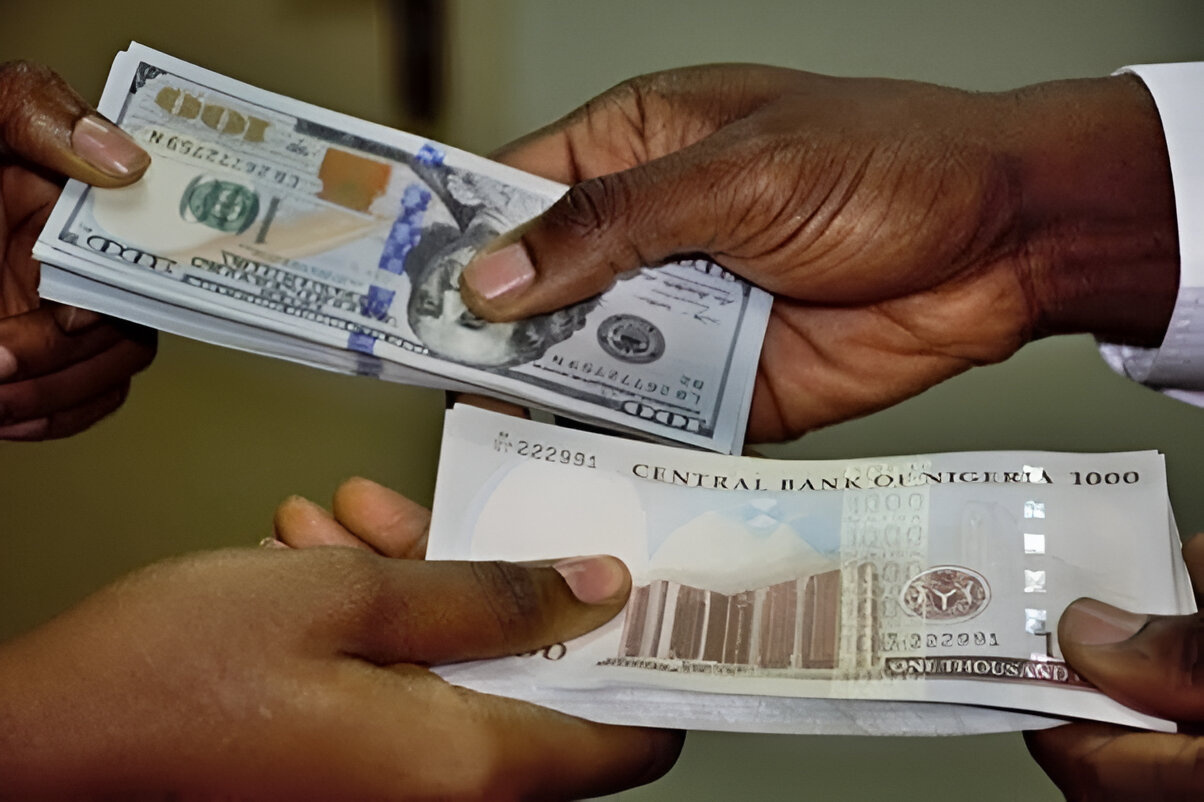
The Nigerian naira maintained its resilience against the United States dollar on Monday in both official and parallel markets. Data from the Nigerian Foreign Exchange Market showed the domestic currency trading at 1,357.26 naira per dollar at the official window. This figure represents a slight appreciation from the 1,361.05 naira recorded during previous trading sessions in early June. Currency dealers attribute this modest gain of nearly four naira to improved foreign exchange supply and steadier trading volumes. The Central Bank of Nigeria continues to monitor transaction flows closely to maintain stability.
Parallel market operators reported a similarly contained trading environment with minimal premium divergence. Street traders bought the greenback at approximately 1,388 naira and sold it for 1,398 naira by midday. This narrow gap between official and black-market rates suggests a significant reduction in speculative distortions. Analysts view the converging rates as a sign of healthier price discovery within the financial system. For ordinary buyers, a hundred-dollar bill now commands roughly 139,800 naira on the street.
The relative calm in the foreign exchange market reflects sustained interventions by monetary authorities to boost liquidity. Recent central bank initiatives aimed at streamlining trade data have successfully curbed erratic panic-buying among local importers. Market liquidity received a boost from a steady inflow of autonomous foreign exchange into the banking sector. Consequently, the currency managed to shake off seasonal demand pressures that typically depress its value. Financial institutions report that routine requests for invisibles like tuition and travel allowances are experiencing shorter processing cycles.
Broad market stability remains tethered to erratic external economic factors that dictate foreign reserve levels. Total foreign currency receipts depend heavily on crude oil production quotas and consistent international energy prices. Foreign portfolio investors also demand predictable macroeconomic indicators before committing substantial capital to domestic equities. Local manufacturers continue to argue that while stability is welcome, the current baseline still inflates production costs. The cost of raw material imports keeps consumer prices stubbornly high across local retail markets.
The central bank faces a delicate balancing act as it navigates the remaining weeks of the second quarter. Officials must sustain current liquidity interventions without depleting the thin layer of national foreign reserves. Any sudden drop in oil revenue could quickly upset the fragile equilibrium achieved in early June. Market participants are closely watching upcoming policy pronouncements on capital controls and interest rates. For now, traders expect the local currency to fluctuate within its current tight band of 1,355 to 1,365 naira.