


Iran Closes Strait of Hormuz Over Israel Attacks
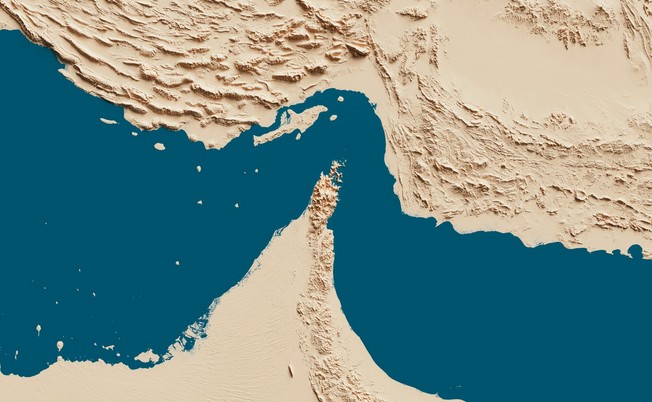
Iran shut down the strategic Strait of Hormuz today in a dramatic escalation following intense Israeli military strikes on southern Lebanon. Tehran announced a complete ban on all commercial shipping through the narrow maritime corridor, which handles nearly a fifth of the world’s daily petroleum consumption. The aggressive maneuver shatters the fragile 112-day ceasefire memorandum negotiated with Washington just 24 hours prior. This sudden blockade instantly triggered widespread panic across global energy markets, forcing international oil benchmarks to spike by nearly eight percent within minutes of the declaration.
The Supreme National Security Council of Iran justified the total closure as a direct retaliatory response to what it termed unchecked Western-backed aggression in the Levant. Iranian naval forces deployed fast-attack missile boats and laid sea mines along the main shipping channels to enforce the maritime embargo. Consequently, dozens of massive international crude tankers are currently stranded in the Gulf of Oman and the Persian Gulf, completely unable to navigate the dangerous bottleneck. Shipping insurers immediately responded by raising war-risk premiums to prohibitive highs, effectively freezing regional commercial maritime traffic.
The unilateral blockade represents a catastrophic collapse of the delicate diplomatic architecture championed by US Vice President JD Vance. Washington had freshly ordered its naval forces to ease its embargo on Iranian ports in exchange for transit guarantees through the shipping lanes. By shutting the strait, Tehran has completely weaponised its physical grip over the world’s most sensitive economic choke point. White House officials immediately condemned the closure, warning that the American military is preparing to execute emergency freedom-of-navigation operations to forcefully reopen the international waterway.
The sudden closure delivers an immediate destabilising blow to fragile developing economies like Nigeria, which remain deeply exposed to global energy market shocks. While the spike in global oil prices theoretically boosts state revenues, it will instantly drive up the landing cost of imported refined petrol. Because local fuel inventories remain exceptionally thin, any prolonged disruption to international shipping networks will trigger severe domestic fuel shortages. The government faces an immediate fiscal crisis, trapped between absorbing massive subsidy losses and allowing domestic transport costs to skyrocket.
Furthermore, the geopolitical crisis threatens to disrupt broader international trade flows and worsen global inflationary pressures. The Strait of Hormuz serves as the primary transit route not just for crude oil, but for massive liquefied natural gas shipments heading to Europe and Asia. A prolonged military standoff in the Gulf will force merchant fleets to divert around Africa, drastically increasing global freight rates and delaying vital industrial supply chains. This maritime disruption turns a localized Middle Eastern war into an immediate global economic emergency.
Ultimately, Iran’s decision to lock the gateway demonstrates the extreme fragility of a compromised, conditional peace. The international community cannot comfortably safeguard global commerce while leaving underlying regional conflicts unresolved. The coming hours will test whether superpower military deterrence can break the blockade or if the world must prepare for a protracted energy war. True economic security will return only when international trade networks are permanently insulated from regional geopolitical brinkmanship.