


Troops Foil Terrorists’ Kidnap Bid in Sokoto Operations
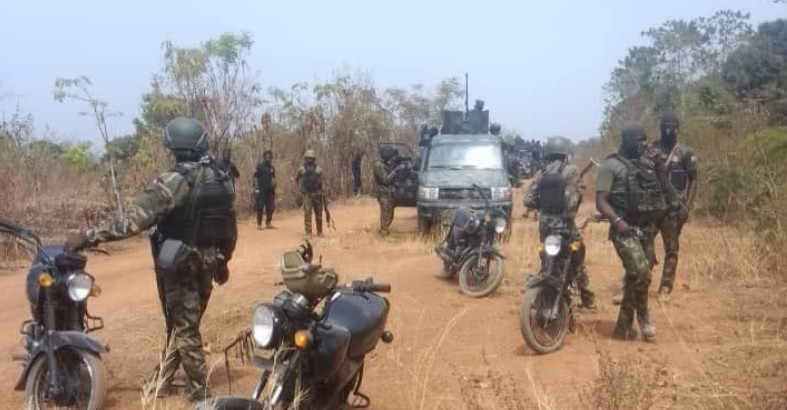
Nigerian troops successfully neutralized an armed abduction attempt and rescued 22 hostages during dual tactical operations across Sokoto State. The coordinated counter-terror strikes, executed by the joint task force under Operation Hadarin Daji, targeted known bandit strongholds in the North-West zone. Major General Bamidele Alabi, the Commander of the Joint Task Force, confirmed the operational successes during a media briefing. The swift battlefield victories signal a vital tactical win for the military apparatus, which has faced intense domestic pressure to secure vulnerable agricultural communities.
The first phase of the tactical intervention occurred along the highly sensitive Guzula-Tangaza commercial road axis. Armed bandit networks had established an illegal vehicle checkpoint to intercept local traders and rural commuters for mass ransom abductions. Acting on precise, real-time intelligence from local scouts, forward combat troops intercepted the criminal gang before they could retreat into the deep forest. A fierce firefight ensued, forcing the outgunned terrorists to abandon their captives and flee with severe gunshot wounds. Soldiers safely recovered 14 distressed victims from the immediate ambush site without recording any military casualties.
Simultaneously, a separate combat team executed a deliberate clearance sweep targeting a notorious transit camp in the Silame local government area. The fortified outpost served as a vital logistical staging ground where criminal syndicates grouped abducted victims before demanding heavy cash ransoms. Following a brief but intense firefight, the army overran the perimeter and liberated eight additional hostages who had been held in underground isolation. Tactical teams also recovered two AK-47 rifles, multiple rounds of live ammunition, and four operational motorcycles used by the fleeing bandits.
These tactical achievements arrive amidst a broader national security push to curb the lucrative kidnapping-for-ransom economy. Criminal networks have systematically weaponized mass abductions to extort impoverished rural communities and paralyze local agricultural production across the northern region. While the rescue of 22 citizens provides immediate relief to local families, it underscores a persistent governance challenge. The state still struggles to maintain a permanent security presence along remote territorial roads once initial clearance operations conclude.
The rescued victims received immediate medical evaluation and psychological support at a regional military medical facility before being reunited with their families. State officials praised the local communities for providing the timely, actionable intelligence that enabled the rapid military intervention. Security experts emphasize that defeating decentralized bandit groups requires deep, ongoing cooperation between formal intelligence agencies and local hunters. Moving forward, the military must transition from reactive rescue missions toward proactive, permanent containment of forest corridors.
Ultimately, winning isolated tactical skirmishes in Sokoto cannot substitute for a comprehensive, long-term stabilization strategy. The armed forces remain heavily deployed across multiple domestic security fronts, which severely strains operational personnel and limits prolonged territorial holding capacity. Until the federal government secures vulnerable transport lanes and dismantles the financial networks laundering ransom payments, criminal gangs will continue to reform. True victory will arrive only when rural communities can trade and farm without requiring constant military escorts.