

Starmer Resigns After Intense Labour Rebellion
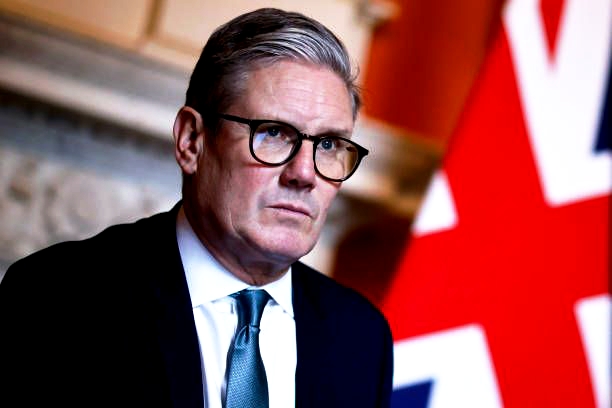
British Prime Minister Keir Starmer has resigned following a swift and brutal mutiny within his own governing Labour Party. Speaking outside 10 Downing Street, Starmer confirmed he had informed King Charles III of his decision to step down. His departure cuts short a turbulent premiership that began with a landslide electoral victory less than two years ago. The prime minister bowed to pressure after major cabinet ministers privately told him his time was up. He will remain as a caretaker leader until his party elects a successor.
The catalyst for Starmer’s sudden fall was a high-stakes by-election victory by a prominent intra-party rival. Former Greater Manchester Mayor Andy Burnham secured a seat in the House of Commons last week after defeating a fierce challenge from the anti-immigration Reform UK party. Burnham’s return to Westminster immediately spooked Labour lawmakers who feared losing their seats in the next general election under Starmer’s flagging leadership. Backbenchers quickly rallied around the former mayor as the ideal candidate to reverse the government’s dismal poll ratings.
A wave of high-profile resignations from the cabinet over the past month had already left Starmer structurally isolated. Senior ministers and lower-ranking aides walked away from the administration to protest his policy direction and political judgment. The prime minister faced severe criticism for failing to deliver promised economic growth, fix crumbling public services, and lower the domestic cost of living. A controversial decision to appoint a scandal-tarnished diplomat as the British ambassador to the United States further eroded his institutional credibility.
International pressure and geopolitical misalignment also hastened the downfall of the British leader. Relations between London and Washington soured significantly following Starmer’s refusal to involve the United Kingdom in the recent American war with Iran. US President Donald Trump openly celebrated the resignation on social media, mocking Starmer’s domestic policy record. Trump claimed that the prime minister had failed completely on crucial issues regarding immigration and North Sea renewable energy development.
The governing Labour Party must now navigate a potentially divisive leadership contest to select Britain’s seventh prime minister in ten years. Nominations for the top post will open officially on July 9, with the selection process expected to conclude before the September legislative recess. While Andy Burnham enters the race as the clear frontrunner, he faces potential opposition from former health secretary Wes Streeting. Squeezing a fresh mandate out of a fractured parliament will require the next leader to quickly unite competing centrist and leftist factions.