
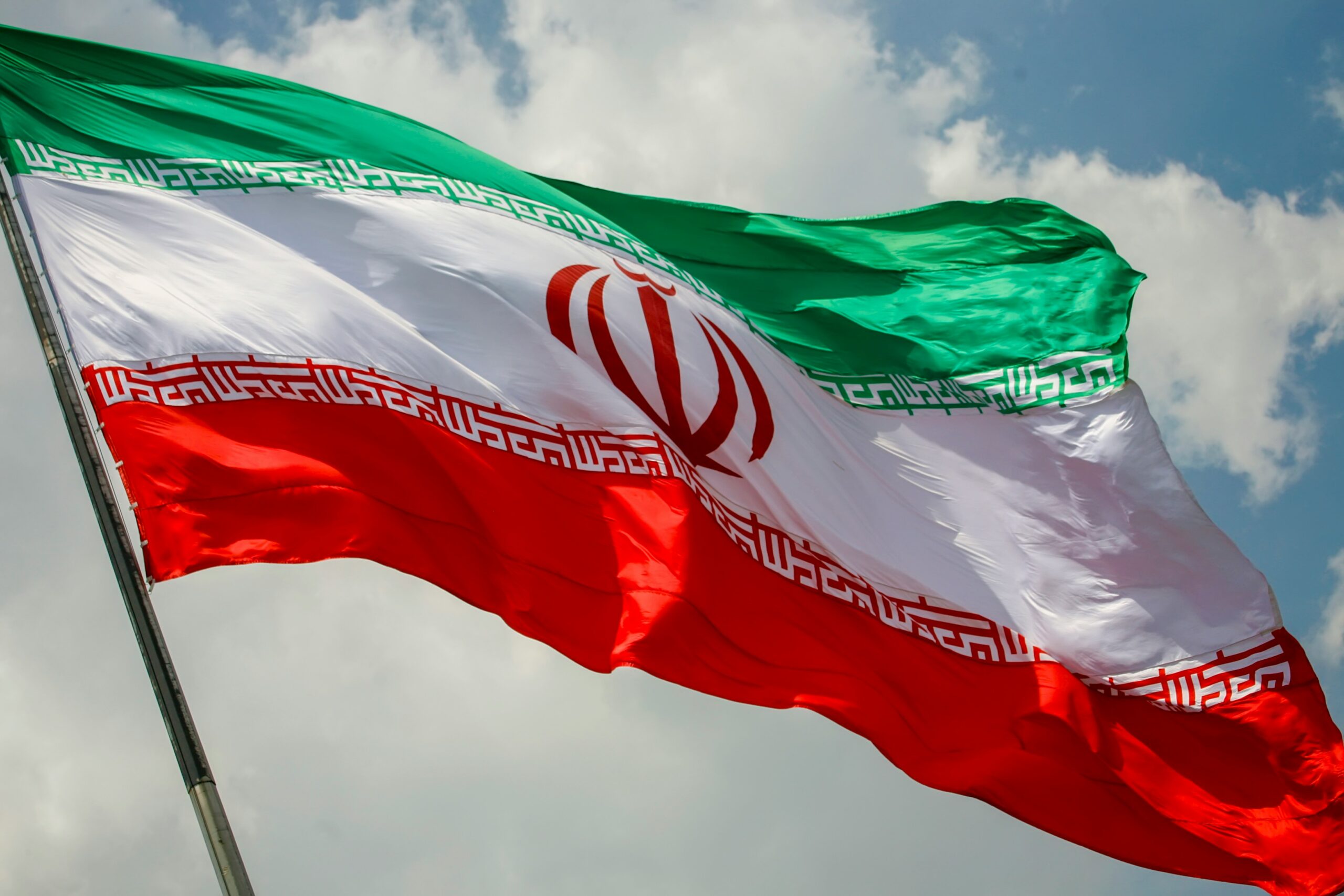
Iranian diplomats have cast deep doubt over a proposed Washington peace deal. Tehran blames relentless Israeli military operations across Lebanon for freezing the delicate diplomatic track. The multi-front conflict has now entered its ninety-eighth day. United States mediators had initially reported significant progress toward a broad regional truce. However, the continuous bombardment of Beirut and southern Lebanon has completely broken that momentum. Western officials fear the diplomatic window is closing fast
The core obstacle remains the definition of the ceasefire boundaries. Iranian officials insist that any settlement with the West must explicitly cover all regional allies. They hold Washington accountable for the actions of its closest Mediterranean partner. Conversely, Israel maintains that its campaign to crush armed groups up to the Litani River remains entirely separate. This fundamental disagreement has effectively paralyzed indirect text sharing between negotiators in Qatar.
Regional trade routes remain heavily suppressed by the ongoing hostilities. Shipping traffic through the crucial Strait of Hormuz has dropped to a mere trickle. The Iranian Revolutionary Guard Corps recently established a strict maritime permit zone in the waterway. Western powers view this chokehold as an illegal toll system. In response, American warplanes continue to strike radar facilities and drone command hubs along the Iranian coast.
The political cost of the conflict is mounting quickly for all sides. The United States House of Representatives recently voted to curb independent presidential military action against Iran. This legislative rebellion underlines deep domestic anxiety over an unapproved war. Meanwhile, the economic strain inside the Islamic Republic has triggered massive energy deficits and soaring utility costs. Yet, neither leadership appears willing to offer the concessions needed to unlock a final deal.
Military commanders on the ground are actively digging in for a protracted campaign. Israeli divisions have advanced deeper into southern territory to establish a permanent buffer zone. Heavy artillery exchanges and rocket salvos continue to displace hundreds of thousands of civilians along the border. The failure of this latest diplomatic push leaves the region trapped in a destructive cycle. Without a shift in position from Tehran or Jerusalem, the fighting will continue indefinitely.