
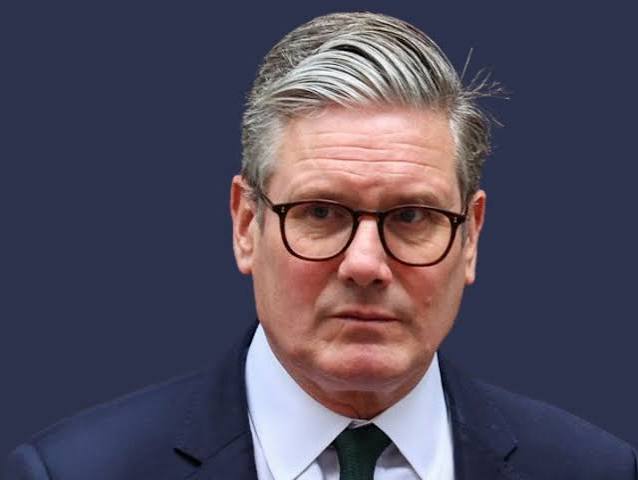
Mounting pressure within Britain’s governing Labour Party has fuelled fresh uncertainty over the future of Prime Minister Keir Starmer, with reports suggesting he could announce a timetable for stepping down after days of intense political turmoil.
The speculation comes as Andy Burnham prepares to take his seat in the House of Commons following a decisive victory in the Makerfield by election, a result widely viewed as a turning point in Labour’s growing leadership crisis. Burnham secured about 55 per cent of the vote and defeated Reform UK by more than 9,000 votes, strengthening his position as the leading contender to replace Starmer.
Government ministers have publicly acknowledged that Starmer spent the weekend reflecting on his future amid increasing calls from Labour lawmakers for a change in leadership. Reports indicate that more than 100 Labour MPs have urged him to step aside, while several senior cabinet figures are said to favour a transition before the party’s annual conference later this year.
If Starmer resigns, Britain would be on course to have its seventh prime minister in just a decade, highlighting a period of exceptional political instability since the 2016 Brexit referendum.
The crisis marks a remarkable reversal for a leader who led Labour to a landslide general election victory in July 2024. Since entering Downing Street, however, Starmer has faced criticism over economic management, public service pressures, policy reversals and a series of political controversies that have damaged his standing with voters and sections of his own party.
Recent local and regional election setbacks across England, Scotland and Wales further intensified concerns about Labour’s electoral prospects. The Makerfield contest became a de facto referendum on Starmer’s leadership, with Burnham openly arguing that Labour had a “final chance to change”.
A former cabinet minister and long serving MP before becoming Greater Manchester mayor in 2017, Burnham has twice unsuccessfully sought the Labour leadership. His return to Westminster has revived those ambitions and positioned him at the centre of the party’s succession debate. Under Labour rules, the party leader must be a sitting member of parliament, making his by election victory a crucial development.
While Burnham is regarded as the favourite to succeed Starmer, reports suggest other figures, including former Health Secretary Wes Streeting, could also enter a leadership contest.
As political attention remains fixed on Downing Street, Labour faces a critical test of unity. Whether Starmer chooses to remain and fight for his position or begins an orderly exit process could shape not only the party’s future but also the direction of British politics in the years ahead.