
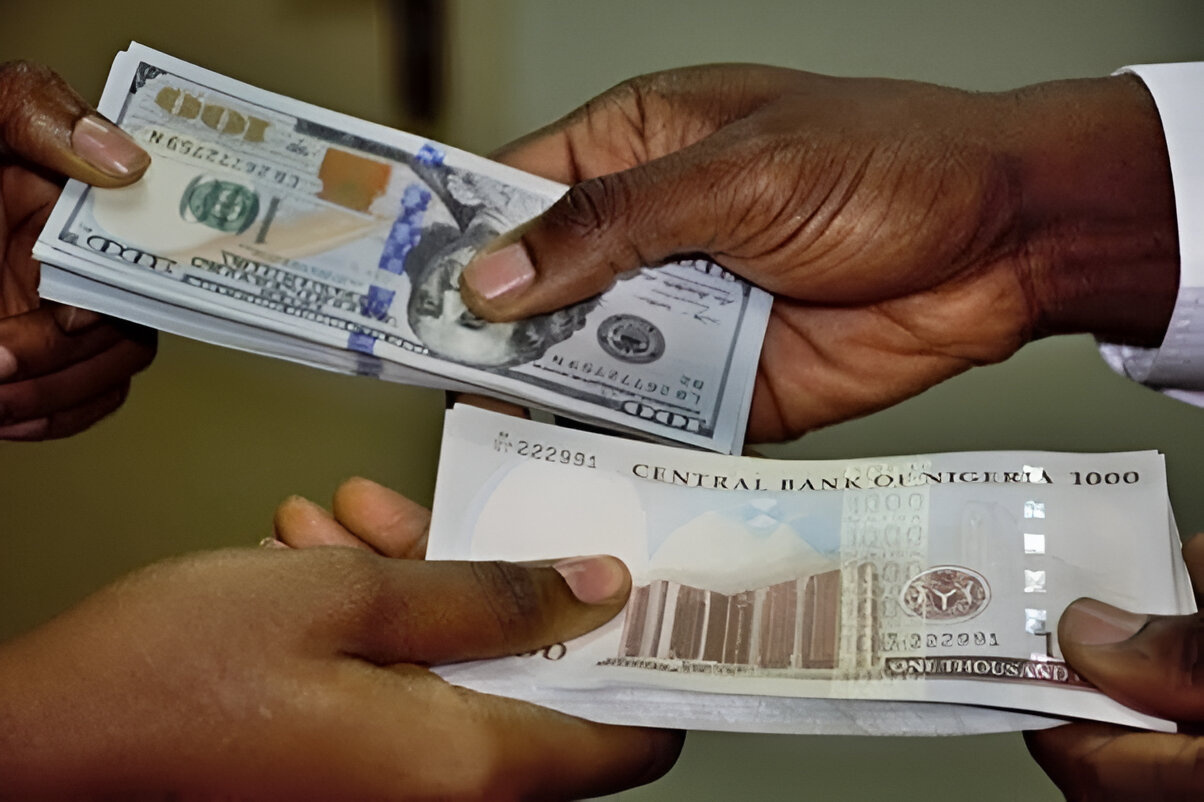
The Nigerian naira depreciated to N1,395 against the US dollar in the parallel market on Monday. This drop marks a noticeable departure from the stable N1,380 trading range maintained last week. Currency dealers attribute the sudden slide to a concentrated surge in end-of-month corporate demand. Speculative buyers have also re-entered the unofficial market to hedge against perceived July liquidity shortfalls. This widening spread between official and parallel rates challenges recent central bank stabilisation gains. The local currency faces renewed pressure heading into the next quarter.
Activity at the informal street markets across Lagos and Abuja intensified as supply tightened. Bureau de Change operators reported that dollar availability failed to match the afternoon rush of retail buyers. Many small-scale importers are bypassing official banking channels due to slow documentation processing times. This administrative delay pushes immediate demand directly into the parallel market, driving up the premium. Street traders are capitalizing on this urgency to adjust their selling rates upward. The market remains highly sensitive to sudden demand spikes.
The official Nigerian Autonomous Foreign Exchange Market also felt the ripple effects of the parallel market decline. The official closing rate dipped moderately, though it remained stronger than the street quotes. The central bank has sustained its routine interventions, but autonomous inflows are not keeping pace with national appetite. Importers require larger volumes to settle international mid-year supply invoices. When the official window experiences delays, the parallel market absorbs the spillover. This dynamic underscores the fragile nature of current currency stability.
Manufacturing groups express concern that a prolonged parallel market divergence will stoke industrial inflation. Many factories still rely on informal sources to fund urgent spare parts and raw material imports. Higher procurement costs will inevitably pass through to retail consumer prices in the coming weeks. Business analysts advise the central bank to increase the frequency of its direct dollar sales to licensed retail dealers. Clear communication regarding reserve levels could help dampen speculative hoarding. Predictable supply is essential to curb panic buying.
The immediate outlook for the naira depends on the central bank’s next monetary intervention phase. If the regulator increases dollar liquidity early this week, the parallel rate should retreat toward the official baseline. Persistent structural demand from holiday travellers and foreign tuition payers will continue to test the currency floor throughout July. Policymakers must balance defending the naira with preserving national foreign reserves. For now, market participants are bracing for continued short-term price discovery.