
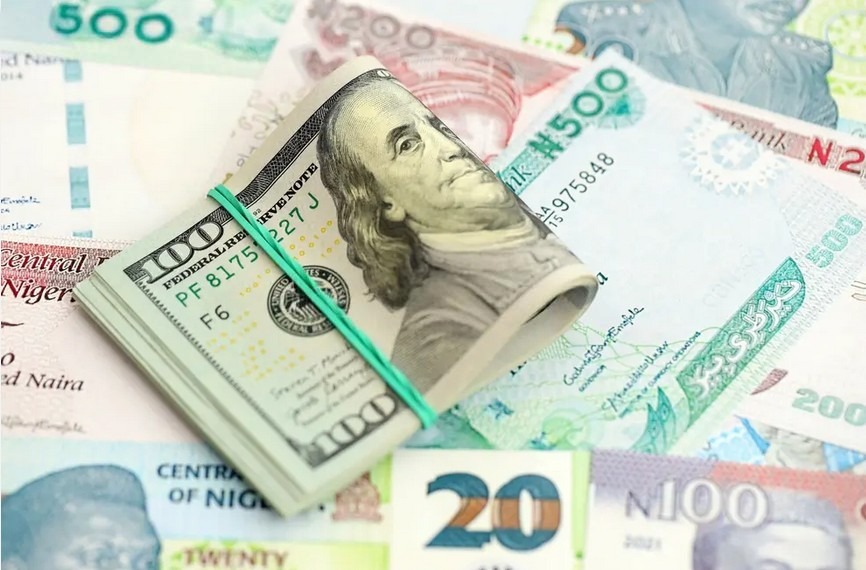
The Nigerian naira opened the final trading week of June holding steady at N1,380.05 against the US dollar in the official foreign exchange market. Minor intra-day fluctuations settled quickly during early morning trading operations. This stability follows a sequence of aggressive liquidity interventions by monetary authorities throughout the month. Corporate buyers are matching their demands with current market supply. Speculative hoarding has declined because price movements remain predictable. The local currency is maintaining a steady baseline.
Traders at the official autonomous window reported an orderly commencement of transactions. The central bank continues to manage the market through structured weekly allocations. Bureau de Change operators are quoting similar rates to prevent arbitrage loopholes. This alignment between official and parallel markets has reduced public anxiety over currency depreciation. Importers can now forecast their transaction costs with a higher degree of certainty. Regulatory oversight is keeping volatility under control.
The current stability relies heavily on continuous central bank dollar injections. Elevated global crude oil revenues have bolstered foreign reserves, providing the necessary ammunition for interventions. However, independent analysts worry that this defensive strategy strains long-term fiscal reserves. The country needs organic, non-oil export inflows to sustain this balanced position. Portfolio investors are watching the market closely before committing fresh offshore funds. For now, the administrative floor is holding firm.
Manufacturing organizations welcome the current exchange rate plateau but demand deeper structural reforms. A rate of N1,380 still presents a substantial increase in raw material costs compared to previous years. Companies are modifying their retail prices to accommodate this permanent structural adjustment. Local processing remains expensive due to high energy prices and port clearing surcharges. Stability helps planning, but the high baseline limits immediate corporate profit margins.
The outlook for the upcoming quarter depends on the upcoming monetary policy committee decisions. Policymakers must decide whether to tighten interest rates further or allow the currency to find its natural equilibrium. Any sudden reduction in central bank market presence could trigger immediate panic buying. Market participants generally expect the current trading range to persist until early July. The naira has found a temporary comfort zone.