


Eight Coaches Exit After World Cup Heartbreak
The knockout rounds of the 2026 FIFA World Cup have not only sent proud footballing nations home early; they have also emptied a good number of dugouts. As the tournament in North America moves into its final eight, at least eight national team coaches have walked away from their jobs, some by choice, others under quiet pressure, all of them united by the same hard truth: their World Cup dream ended sooner than anyone back home was willing to forgive.
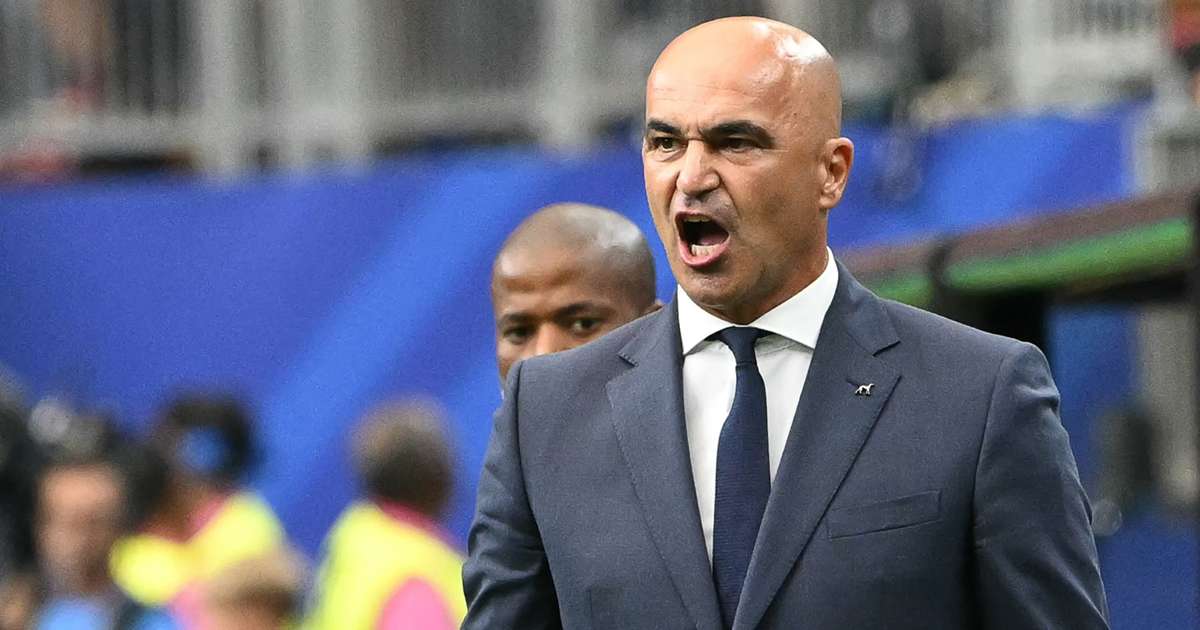
The latest to go is Roberto Martinez. The Spaniard confirmed the end of his time with Portugal minutes after his side slipped out 1-0 to neighbours Spain in the Round of 16 on Monday night in Dallas. Martinez, who had been in charge of the Seleção since early 2023, made no attempt to dress up the moment. He acknowledged it had been his final match with the national team and spoke warmly of his time in the role, telling reporters it had been an incredible period and a source of pride he could hardly put into words. The Portuguese Football Federation later confirmed his departure on its official channels.
For Portugal, the exit carried an extra layer of emotion. The defeat also drew the curtain on Cristiano Ronaldo’s long and storied World Cup journey, closing a chapter that stretched back two decades. Martinez leaves having lifted the UEFA Nations League during his tenure, but a quarter-final that never came will shape how his spell is remembered.
His departure follows that of Carlos Queiroz, whose brief but eventful stint with Ghana ended at the weekend. The 73-year-old Portuguese tactician had been handed the Black Stars job only in April, roughly two months before the tournament, stepping in after the Ghana Football Association parted ways with Otto Addo. His deal was a short one, with an option to extend by two years had Ghana reached the quarter-finals. That clause was never triggered. The Black Stars advanced from a demanding Group L that also contained England, Croatia and Panama, qualifying among the best third-placed sides, before falling 1-0 to Colombia in the Round of 32 in Kansas City. Across five matches in charge, Queiroz recorded one win, two draws and two defeats.
In his farewell message, Queiroz struck a reflective tone, offering the line that football, like life, teaches that you either win or you learn. He insisted his side had restored respect and credibility to the Black Stars on the game’s biggest stage, even as he admitted the campaign fell short of full satisfaction. Ghana now begin the search for a successor, with former Morocco and Saudi Arabia boss Hervé Renard widely tipped as an early favourite for the vacancy.
The wave of departures runs well beyond the two Portuguese-speaking coaches. Julian Nagelsmann, once hailed as European football’s brightest young manager, has left the Germany post after a shock Round of 32 exit to Paraguay on penalties. Nagelsmann, who guided the four-time champions through Group E ahead of Côte d’Ivoire, Ecuador and Curaçao, was under contract until 2028 and had initially signalled he was ready to continue. Talks with the German Football Association followed, but officials were reportedly unconvinced by his account of the team’s underwhelming showing, and the 38-year-old stepped aside. His departure has already sparked speculation about high-profile successors, with the name of Jürgen Klopp inevitably entering the conversation.
The Netherlands are also searching for a new man in the dugout. Ronald Koeman announced his resignation after the Dutch were knocked out on penalties by a spirited Morocco side, ending a second spell in charge that began after the 2022 World Cup in Qatar. Koeman accepted responsibility openly, admitting that no one felt the disappointment of an unfulfilled campaign more keenly than he did.
Elsewhere, the story has been much the same. Ecuador and Sebastián Beccacece went their separate ways after the South Americans bowed out. Czechia parted with Miroslav Koubek in the aftermath of their elimination. Scotland, who once again failed to translate qualification into a deep run, ended their long association with Steve Clarke, a manager who had delivered some of the nation’s most memorable qualifying nights. And in Asia, Hong Myung-bo left the South Korea job, a bittersweet ending for a man who remains a national icon as the captain who inspired the Taeguk Warriors to their famous semi-final run on home soil in 2002.
Taken together, the exits paint a familiar picture of how unforgiving the international game has become. A World Cup cycle now stretches across four years of qualifiers, friendlies and planning, yet a single knockout defeat can undo it all in ninety minutes. The expanded 48-team format, featuring a brand-new Round of 32, has widened the field and lengthened the road to the final, but it has done nothing to soften the consequences of falling short.
What makes 2026 particularly striking is the profile of those affected. This is not a list of journeymen. It includes a European Championship semi-finalist in Martinez, one of the most experienced international coaches in history in Queiroz, and in Nagelsmann a tactician many still regard as a future great. Their removals underline just how quickly reputations can shift on football’s grandest stage, and how little patience federations tend to show once the dream collapses.
With co-hosts Canada, Mexico and the United States all eliminated, the tournament now belongs to a familiar set of heavyweights. Argentina, Belgium, England, France and Spain are among the survivors chasing the trophy as the competition heads into the quarter-finals, scheduled across American venues before the semi-finals and the final in July. For the coaches still standing, the stakes could hardly be clearer. The eight names already gone are a reminder of what awaits any manager whose team stumbles when the margins are thinnest.