
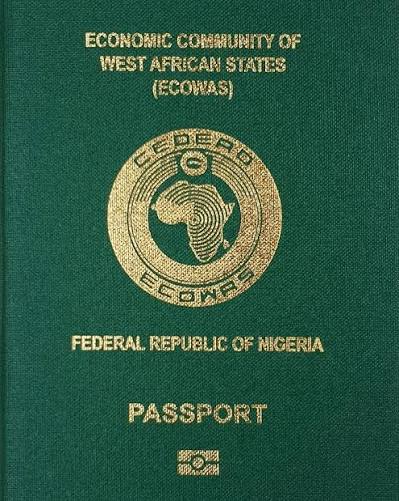
Nigerians living outside the country now have a clearer path to renewing their passports from home, following the release of an updated step-by-step guide by the Nigeria Immigration Service for its Contactless Passport Application System. The Service published the revised process on its official X handle on Tuesday, urging citizens in the diaspora to embrace the digital platform rather than troop to embassies and high commissions for biometric capture.
The move is the latest in a reform drive that has been unfolding since early 2025, when the Service first opened contactless renewal to Nigerians abroad. The Contactless Passport Application System, known within the agency as CONPAS, was designed to strip out one of the most stubborn pain points in the old process: the mandatory in-person appearance at a mission for fingerprints and photographs. Under the earlier arrangement, an applicant in a city far from the nearest consulate could lose days and considerable money simply getting to a biometric appointment. The contactless model shifts much of that burden onto the applicant’s own phone.
According to the guide, the journey begins on the official NIS passport application portal, where an applicant selects Continue on the welcome window and then clicks Apply for Renewal or Re-issue. From there, one creates an account and verifies identity using a National Identification Number and date of birth, before completing the application form and choosing a preferred processing embassy or high commission. The applicant then uploads the required documents, pays the passport fee for the chosen booklet, and receives an Application ID and Reference Number, both of which anchor every subsequent step.
The genuinely new part comes next. Under the Application Status or Book Appointment section, the applicant selects the Contactless option, reviews the instructions, and clicks the prompt to opt in. Biometric enrolment then moves to the NIS Mobile App, which the applicant downloads and logs into before selecting Passport Application Services and Passport Biometrics Enrolment. After entering the Application ID and Reference Number, the app checks eligibility, then guides the user through capturing a facial image and fingerprints, completing a liveness verification, paying the contactless service fee, and finally submitting the biometrics remotely.
The Service was careful to note that the option is not open to everyone. Eligibility is confirmed only after verification, and an applicant flagged as ineligible must fall back on the traditional route. “If response is INELIGIBLE, then it means applicant should return to the landing page of the portal to book physical appointment at the Embassy/High Commission,” the Service stated. This caveat reflects the phased nature of the rollout. When the system went live in 2025, it launched first in the United States before extending to countries including Mexico, Jamaica and Brazil, with the agency confirming at the time that availability would widen gradually and that it was not yet active in every location.
Even those who clear the digital biometric stage are not entirely done. The Service explained that supporting documents must still reach the chosen mission by post. “Upon successful completion of biometrics via Contactless App, applicant should print-out the Application form, passport booklet payment, biometric payment, current Passport and enclose all in a self-addressed return envelope to the processing embassy selected during the application process,” it said. The completed passport is then returned by mail once processing concludes.
On timelines, the Service said applicants could begin monitoring progress two weeks after submission through its online tracking platform or the NIS Mobile App. In practice, diaspora processing periods have varied by mission and season, so the two-week window marks when tracking opens rather than a guaranteed delivery date.
The reform lands against a backdrop of steady digitisation of Nigerian public services and a national identity database that had captured roughly 127 million Nigerians by the close of 2025, according to figures from the National Identity Management Commission. Because CONPAS leans heavily on NIN verification, that expanding base of enrolled citizens is part of what makes remote authentication workable at scale. For a diaspora that has long complained about queues, travel and delays, the updated guide represents another step toward a passport process that starts and, for many, ends at home.