
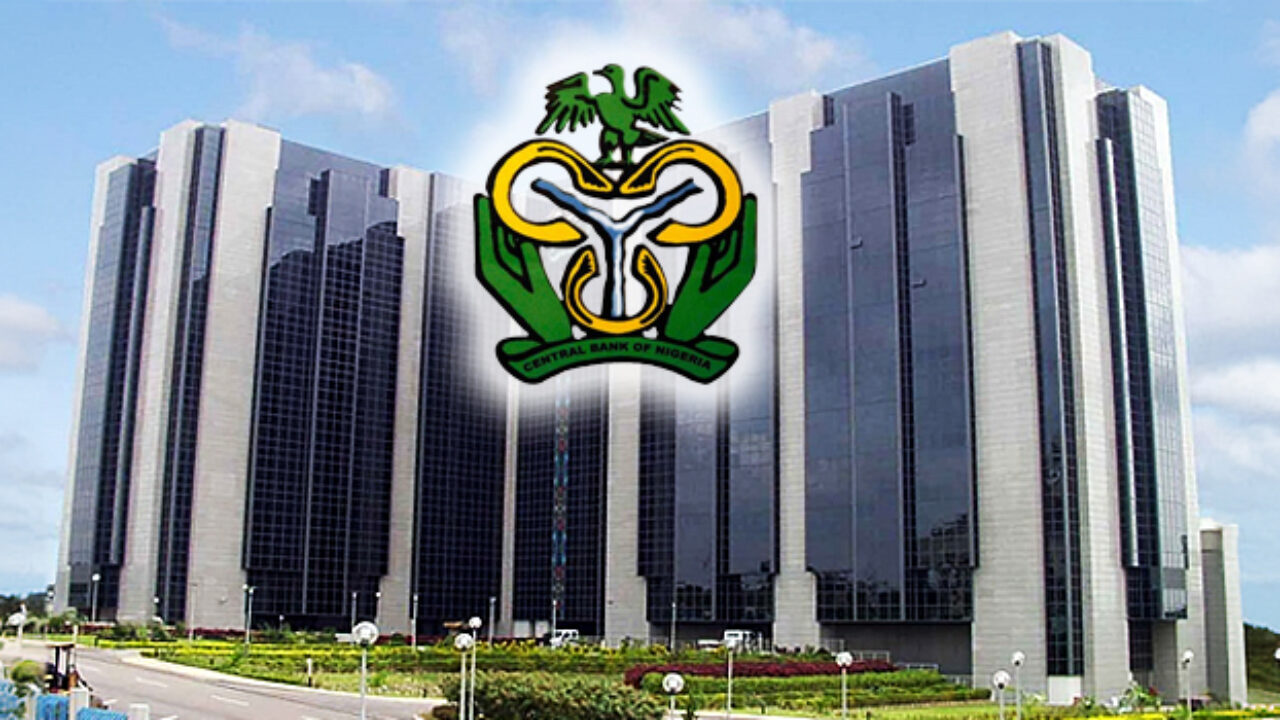
The Central Bank of Nigeria has kept its benchmark interest rate unchanged at 26.5 per cent following its latest Monetary Policy Committee meeting in Abuja. Central Bank Governor Olayemi Cardoso announced the unanimous hold decision on Tuesday after evaluating lingering domestic risks and global geopolitical market shocks. The apex bank prioritised exchange rate stability and price controls over aggressive monetary easing to insulate the domestic economy. Escalating conflict across the Middle East continues to threaten international energy markets and regional trade routes. Local monetary policy remains heavily constrained by external geopolitical turbulence.
The committee also retained all key supplementary policy parameters to maintain a firm grip on system liquidity. Members kept the Standing Facilities Corridor around the benchmark rate at +50 and -450 basis points. The cash reserve ratio for commercial banks remains fixed at 45 per cent, while merchant banks stay at 16 per cent. The apex bank also maintained the mandatory liquidity ratio at 30 per cent across commercial lenders. The central bank refuses to release fresh liquidity into an unstable foreign exchange environment.
Domestic price figures provided brief respite, though administrators deemed the improvement insufficient to justify lowering borrowing costs. National Bureau of Statistics data showed headline inflation eased marginally to 15.91 per cent in June, down from 15.93 per cent in May. Despite this slight drop, central bank officials expressed grave concern that rising global oil prices could quickly trigger imported inflation. High energy costs directly increase domestic transport and food logistics expenses. A premature rate cut could easily ignite a fresh inflationary spiral.
The hold decision presents an ongoing operational dilemma for real sector operators and commercial borrowers nationwide. Manufacturers, small enterprises, and corporate firms continue to struggle under exceptionally tight credit conditions and double-digit borrowing costs. Industrial trade groups warn that expensive capital restricts capacity expansion, depresses hiring, and accelerates corporate insolvencies. Commercial lenders routinely pass high policy rates directly onto corporate clients. Business executives must navigate expensive credit alongside stubborn operating overheads.
Cardoso defended the conservative stance, insisting that domestic economic indicators show remarkable structural resilience against external shocks. Foreign exchange reserves have stabilized following extensive state currency market reforms implemented earlier this year. However, central bankers maintain that structural bottlenecks fall outside the direct scope of monetary tools. Fiscal authorities must implement aggressive supply-side reforms to tackle domestic food insecurity, transport deficits, and energy shortages. Monetary policy can contain demand, but it cannot fix broken supply chains.
Financial analysts widely expected the rate hold as global central banks exercise similar caution amidst geopolitical strife. The World Bank still projects the national economy to grow by over four per cent this year, driven largely by services and agriculture. Reaching that optimistic growth target depends heavily on sustained macroeconomic and foreign exchange stability. The central bank signaled it will maintain its cautious monetary stance until global energy markets settle. Corporate Nigeria must adapt to prolonged high borrowing costs.