


Reps Pass Executive Bill on State Police
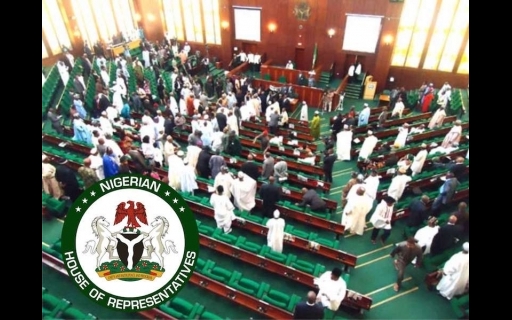
Nigeria has taken its most decisive step yet toward breaking the federal monopoly on policing. The House of Representatives on Thursday passed the Executive Bill seeking to establish state police forces nationwide. Lawmakers withdrew their own earlier constitutional amendment proposal during plenary to adopt President Bola Tinubu’s executive version instead. The legislative breakthrough follows the Senate’s previous approval of its own matching text. Decades of central control over public safety are finally drawing to a close. Regional insecurity has simply overwhelmed the centrally managed Nigeria Police Force.
The constitutional amendment fundamentally restructures the nation’s security architecture by moving policing onto the concurrent list. Under the new framework, state governments can formally create, fund, and operate local police forces alongside federal officers. The legislation requires state legislatures to pass local enabling laws that meet minimum standards set by the National Assembly. No sub-national force can deploy officers until federal authorities formally certify its operational readiness. Federal officers will retain primary responsibility for inter-state crimes, counter-terrorism, and cybercrime. Central command structures must yield authority to local officers who actually know the terrain.
Presidential endorsement provided the critical momentum to overcome long-standing legislative inertia. President Tinubu formally urged lawmakers earlier this month to accelerate constitutional alteration to address unrelenting rural banditry and mass kidnappings. Opponents historically argued that state governors would weaponise local police units against political rivals during election cycles. To blunt those anxieties, the legislation introduces explicit operational safeguards. Governors will appoint state police commissioners on the advice of the National Police Council, subject to local parliamentary confirmation. Dismissals require a two-thirds majority in state assemblies plus national recommendations.
Passing the bill in Abuja marks only an initial hurdle in a lengthy constitutional journey. The harmonised amendment must now win approval from at least twenty-four of the thirty-six State Houses of Assembly. Regional governors must simultaneously calculate the high fiscal cost of equipping and maintaining independent security outfits. State treasuries, already strained by rising public operational expenses, will bear the financial brunt of local deployment. Sub-national political leaders can no longer blame distant federal authorities for security breakdowns within their borders. Decentralisation brings direct accountability.
Centralised policing has proved woefully inadequate in the face of widespread rural lawlessness. A single command structure in Abuja cannot effectively secure thousands of vulnerable villages across six geopolitical zones. Local communities have long demanded sub-national law enforcement to combat armed criminal syndicates. The passage of the executive bill signals that federal lawmakers finally recognise the structural failures of the status quo. If ratified by state assemblies, the reform will redefine how law and order operate across Nigeria. Constitutional theory must now translate into real security on the ground.