


PFIPC: Adeyemi Accuses Other Ministries Over Scandal
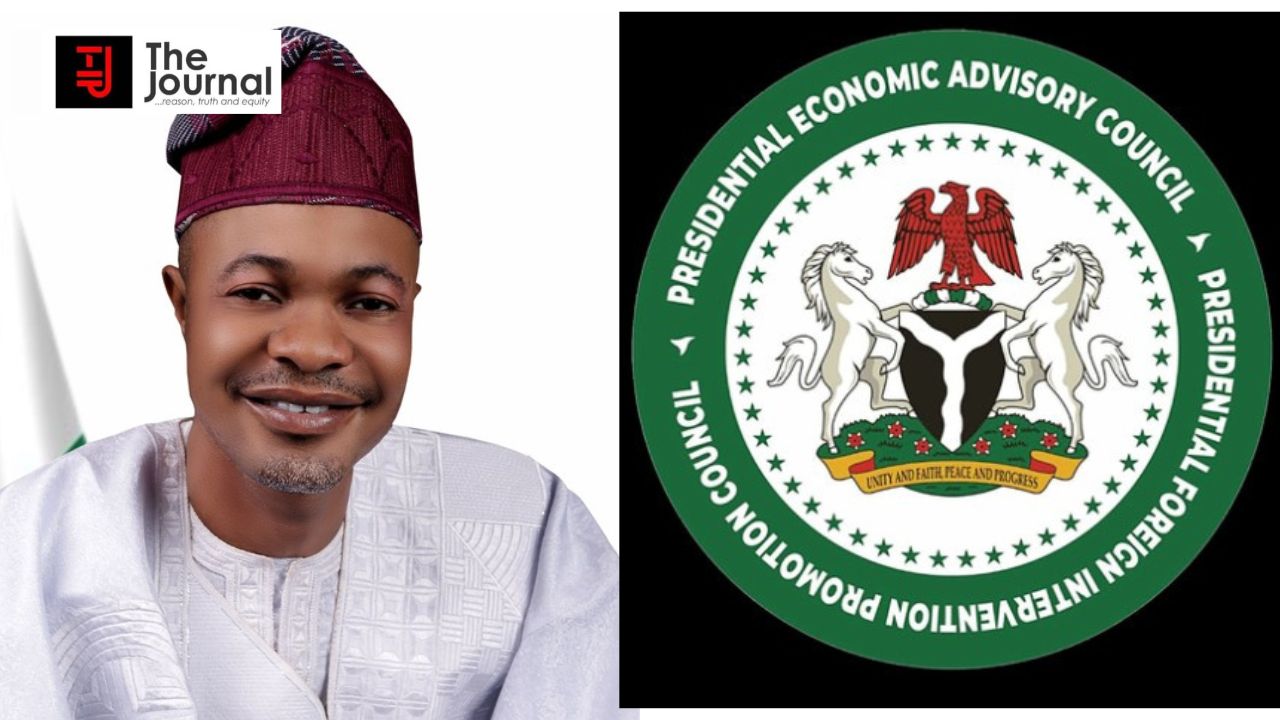
Adeniyi Adeyemi, the detained head of a disputed presidential investment council, is fighting back against accusations that he invented the fake federal agency out of thin air. His legal team insists that key state institutions actively approved, funded, and housed the body over an extended period. The unfolding scandal exposes alarming gaps across Nigeria’s administrative machinery. Phantom agencies do not build themselves. Adeyemi insists senior bureaucrats helped bring his organisation into existence through official channels. The police custody of one man cannot hide systemic failure.
Adeyemi is now demanding a public hearing before the House of Representatives committee investigating the matter. His lawyers argue that issuing a final report without his testimony breaches his constitutional right to a fair hearing. He wants lawmakers to examine the paper trail that allowed his council to operate. Silence from behind bars only helps negligent officials. The committee, led by Yusuf Gagdi, faces mounting pressure to uncover how top ministries took the council seriously. A selective probe risks protecting the very system that enabled the deception.
The defence team released a long list of agencies that officially acknowledged and supported the body. The Secretary to the Government of the Federation acknowledged formal council documents and allocated office space in the Federal Secretariat. Meanwhile, the Accountant-General and the Central Bank of Nigeria issued budget codes and opened bank accounts. Security chiefs even attended council functions without raising alarm. Paperwork moved smoothly through official channels. These official approvals show how easily rogue entities exploit civil service routines.
Financial oversight failed just as thoroughly as administrative screening. The Economic and Financial Crimes Commission allocated property to the council and accepted processing fees. Anti-graft officers even presented a plaque of recognition to Adeyemi’s team. Top watchdogs missed obvious warnings. Civil service posting orders sent real government workers to staff the unapproved office. Such total institutional failure suggests systemic rot rather than a simple scam.
Testimony from top civil servants already confirms serious lapses in vetting procedures. Head of the Civil Service Didi Walson-Jack admitted her office granted recruitment waivers without verifying the council’s legal status. She claimed her team routinely processes hundreds of similar requests without deeper background checks. Bureaucrats chose speed over basic due diligence. Her confession reveals a civil service that rubber-stamps requests on faith. Such administrative laziness opens the door for widespread fraud across federal departments.
Adeyemi claims officials are turning him into a scapegoat to shield high-ranking culprits. His legal team wants independent observers and civil society groups to join a broader audit. Prosecuting one figurehead leaves the underlying bureaucratic weakness intact. The state machinery itself created the monster. Nigeria must fix its governance checks before another fake agency drains public funds. Real accountability requires probing every office that stamped the council’s files.