
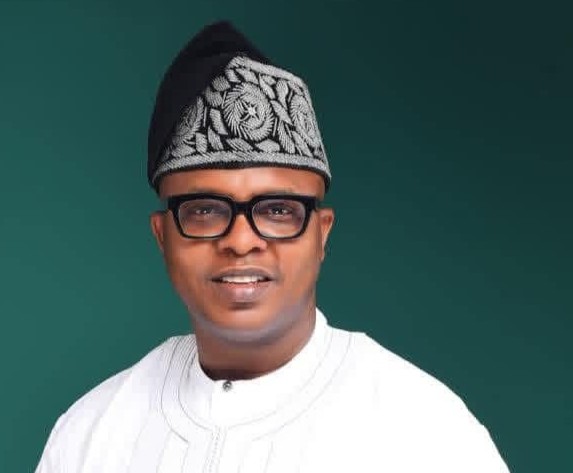
An All Progressives Congress leader in Osun State, Adereti, has accused Governor Ademola Adeleke of directing violent physical attacks against opposition members across the state. Political rivalries in Osun are spilling over into open street clashes as the governorship election draws near. Opposition officials claim that state-backed thugs routinely target campaign rallies, destroying property and injuring party loyalists. Governor Adeleke and his representatives firmly reject these accusations, branding them baseless political fabrications. Power plays in Osun remain dangerous and unpredictable. Tensions continue to rise across major towns.
The APC claims these targeted assaults represent a deliberate strategy to silence political dissent before citizens head to the polls. Party spokesmen cite several violent incidents where armed men disrupted peaceful gatherings without police intervention. Opposition figures argue that the state government uses political intimidation to cover up administrative failures. Local party leaders demand immediate federal security intervention to protect their supporters and maintain order. Adereti insists that voters will not back down despite physical threats. Intimidation tactics rarely build genuine electoral support.
Spokespersons for the state administration counter that internal party feuds account for the recent violence within opposition ranks. Government aides argue that the opposition fabricates tales of state-sponsored violence to gain cheap public sympathy. The governor insists his administration maintains peace and protects every citizen regardless of political affiliation. Official statements urge political parties to focus on presenting clear policy platforms rather than trading wild accusations. Osun citizens want peace, not endless political friction.
Security agencies face mounting pressure to demonstrate absolute neutrality as electoral activities intensify. Police commanders in the state have pledged to investigate all reported clashes and arrest perpetrators regardless of political status. Yet local civil rights groups express deep skepticism regarding the willingness of officers to prosecute well-connected political actors. Selective law enforcement damages public trust in democratic institutions during election cycles. Unchecked violence risks scaring peaceful voters away from polling units on election day. Fear must not dictate democratic outcomes.
Electoral violence in Osun reflects a broader national pattern where political elites view state power as a spoils system. Campaign strategies often rely on muscle rather than convincing economic arguments. High unemployment leaves young citizens vulnerable to recruitment by partisan actors seeking cheap street enforcers. Local communities bear the heavy burden of broken infrastructure and ruined business activity whenever clashes erupt. Political leaders rarely suffer the physical consequences of the unrest they provoke. Ordinary citizens pay the ultimate price.
The coming governorship election will test whether state institutions can guarantee a fair democratic process. Osun voters deserve a peaceful environment to choose their leaders without fear of physical harm. Both major parties must restrain their overzealous supporters and commit to peaceful campaigning. Political legitimacy stems from the ballot box, not physical intimidation. Security forces must enforce the law without bias to prevent complete breakdown of order. The entire nation is watching Osun closely.