
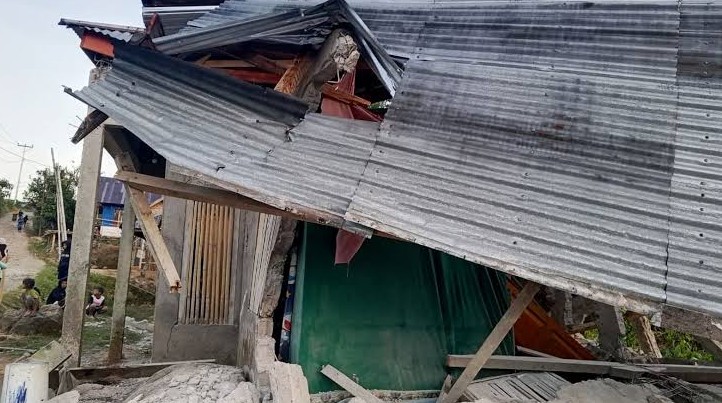
A powerful magnitude-7.7 earthquake struck off the coast of Indonesia, killing at least 38 people and flattening hundreds of coastal homes. Seismologists located the undersea tremor at a shallow depth, triggering strong shockwaves that tore through seaside settlements across regional districts. Disaster management officials reported that collapsing concrete walls and roof tiles crushed dozens of sleeping residents in their homes. Rescue teams pulled over 100 injured survivors from tangled debris during frantic early morning operations. Strong aftershocks continue to rock coastal areas. Nature struck without the slightest warning.
Emergency responders face immense logistical hurdles as cracked motorways and landslides cut off remote communities. Local power grids collapsed within seconds of the initial tremor, plunging seaside clinics into total darkness. Exhausted doctors treat badly injured patients in open car parks using emergency battery packs. Local water supplies remain contaminated after broken pipelines flooded sanitation networks with mud. Damaged bridges prevent heavy earthmovers from quickly reaching buried survivors. First responders must dig with hand tools.
The shallow tremor sparked immediate tsunami warnings across several island chains in the Pacific and Indian Oceans. Coastal villagers fled toward higher ground on foot after seawater receded rapidly along the shoreline. Maritime authorities later cancelled the major tsunami alerts after observing only minor sea surges. Yet coastal communities remain terrified of returning to damaged properties near the waterfront. Thousands of displaced families now huddle in makeshift plastic shelters on hillsides. Fear keeps traumatised survivors away from shelter.
Indonesia sits along the Pacific Ring of Fire where shifting tectonic plates regularly trigger violent geological eruptions. Building codes in rural provinces rarely account for the severe ground acceleration that major undersea ruptures unleash. Cash-strapped local councils routinely fail to enforce earthquake standards for low-cost brick homes. Cheap masonry turns into lethal rubble whenever the earth shifts violently. Poor construction kills far more citizens than the actual tremors. Poverty compounds the natural hazard every time.
Disaster management agencies are deploying emergency field hospitals, clean drinking water, and dry rations to the disaster zone. Government ministers promised swift financial aid to help displaced families rebuild destroyed homes. Yet bureaucratic delays and opaque procurement systems routinely stall state rebuilding programmes after the cameras leave. International charity groups are mobilising medical teams to plug widening gaps in basic relief supplies. Rebuilding shattered coastal towns will take years of disciplined investment. Recovery demands more than state promises.
The catastrophe highlights the fragile resilience of basic infrastructure across developing Southeast Asian nations. Regional governments invest heavily in digital early warning systems while neglecting basic hospital and road reinforcement. Unreinforced masonry structures will continue to collapse under future shocks without strict regulatory enforcement. Public health officials warn that contaminated water could trigger cholera outbreaks in temporary camps. State engineers must rebuild essential bridges before seasonal monsoon rains wash out temporary bypasses. Geological hazards remain an unavoidable permanent reality.