
Iran has declared a three-day public holiday in Tehran for the funeral of late Supreme Leader Ayatollah Ali Khamenei. State television announced the measure on Tuesday as the regime prepares for a massive public gathering. The official ceremonies will finally begin on July 4, more than four months after his death. US and Israeli airstrikes killed the leader in late February, plunging the country into war. Security concerns and active conflict forced officials to postpone the burial repeatedly. The government now feels confident enough to stage this delayed show of state mourning.
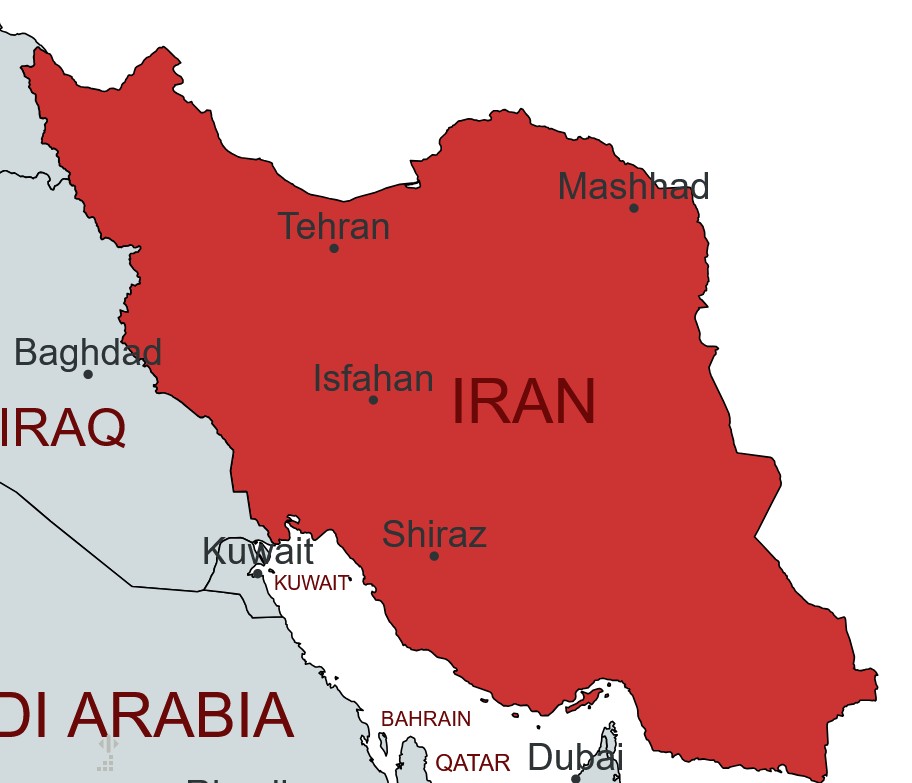
The regime expects up to twenty million people to attend the events across multiple cities. Mourning processions will pass through Tehran, Qom, and the northeastern city of Mashhad. Each segment of the procession will last at least twenty-four hours to satisfy Khamenei’s final will. The sheer scale of the planned crowds presents a severe logistical challenge for the capital. Security forces must maintain order while preventing potential stampedes or fresh foreign attacks. Chaos could easily overshadow the regime’s carefully planned display of grief.
The chosen start date carries an obvious sting for Washington. Ceremonies will open on July 4, the national independence day of the United States. Iranian officials rarely miss a chance for symbolic defiance against their chief Western adversary. This timing reminds the public of the foreign strikes that took their leader’s life. It aims to turn deep vulnerability into national resolve. Symbolism remains their chosen weapon of defiance.
Khamenei ruled Iran for thirty-seven years before the joint military strike ended his tenure. He took power in 1989 following the death of the nation’s founder, Ayatollah Ruhollah Khomeini. His long rule consolidated the power of the clerical elite and the Islamic Revolutionary Guard Corps. The state has already managed the immediate succession crisis with surprising speed. His son, Mojtaba Khamenei, assumed the supreme leadership in early March. Dynastic succession now replaces the old meritocracy.
The delayed funeral indicates a temporary pause in the regional conflict. Iran and the United States recently opened initial peace talks in Switzerland to lower tensions. The quiet diplomatic channel helped calm the skies over Tehran after months of heavy bombardment. This pause allows the regime to bury its dead without fear of immediate disruption. However, the underlying grievances between the warring nations remain entirely unresolved. A fragile truce underpins this moment of focus.
The final burial will take place on July 9 at the Imam Reza shrine. The shrine in Mashhad represents one of the holiest centres in Shia Islam. Resting there lends the late leader a final layer of religious legitimacy. The new supreme leader will use the occasion to solidify his own fragile grip on power. Mojtaba Khamenei faces the immense task of steering Iran through economic ruin and foreign isolation. The regime needs this funeral to succeed.