
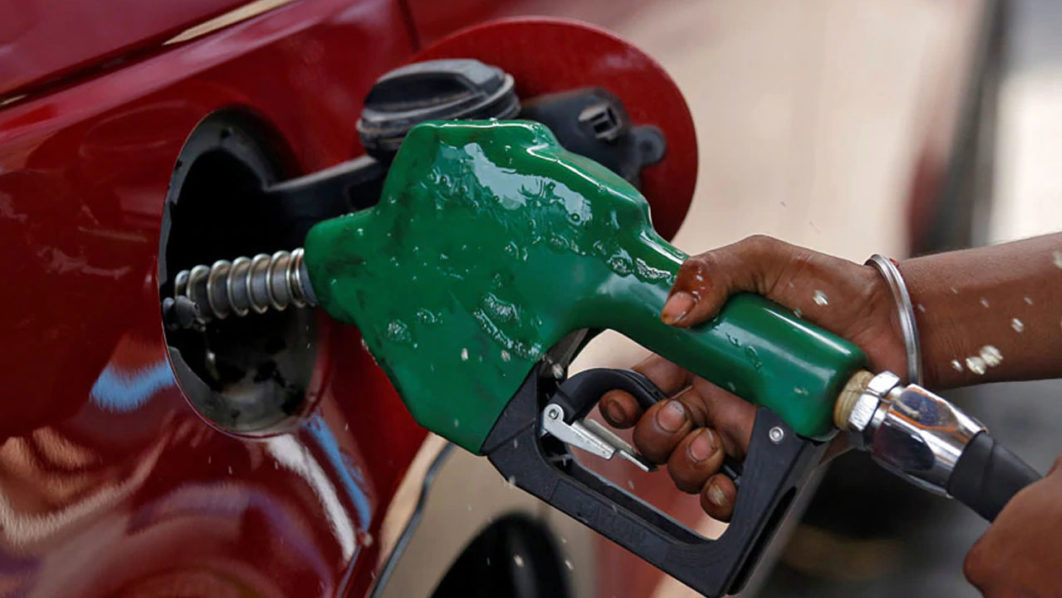
Nigerian downstream operators raised the retail price of petrol to an average of N1,212 per litre on Wednesday, 26 August 2026, defying a drop in international crude benchmarks. The 4.7 per cent price jump lifted pump rates from the previous baseline of N1,158 across major filling stations. Brent crude dipped to $88.42 per barrel, while the OPEC crude basket slid to $90.28 per barrel during the same trading window. Yet local filling stations immediately adjusted their electronic meters upward to pass on steep depot charges. Major retail chains including MRS, NNPC Retail, and Ardova pushed their station prices to N1,205 per litre from N1,125. Mobil adjusted its dispensing price to N1,215, while BOVAS moved its retail counters to N1,217 per litre. Nigerian motorists now pay more for fuel even as international oil prices tumble. Deregulated markets rarely deliver swift price cuts to retail consumers.
The sharp divergence between global crude trends and domestic fuel prices stems from the market power of large local refining and distribution assets. The Dangote Petroleum Refinery raised its gantry price by N15 per litre to settle at N1,200. With an installed capacity of 700,000 barrels per day, the Lekki plant supplies roughly 80 per cent of Nigeria’s domestic fuel needs. When the dominant refiner adjusts its gate price, other depot owners and independent marketers follow suit within hours. Energy analysts point out that the market simply mirrors the pricing decisions of its largest private supplier. Marketers who buy inventory during higher pricing cycles also delay downward pump adjustments to avoid sudden trading losses. The domestic supply chain operates with rigid pricing habits that resist immediate downward corrections. Competition remains too thin to force immediate retail price cuts.
Wholesale depot prices across coastal maritime terminals revealed stark regional disparities that penalise consumers outside the commercial capital. Twelve major petroleum depots in Lagos, Port Harcourt, Calabar, and Warri raised their wholesale figures, with some quoting up to N1,735 per litre. The most expensive supplies were concentrated around Port Harcourt, where terminal operators charged between N1,668 and N1,735 per litre. Depots including GulfTreasure, Duport, IbaChem, Ibeto, Integrated, and Menj posted rates that sat N500 above prevailing Lagos prices. In contrast, Lagos depots such as MRS, Pinnacle, NIPCO, BONO, and Pivot kept their wholesale bands between N1,202 and N1,207 per litre. Marine freight expenses and regional pipeline bottlenecks continue to drive up wholesale rates in the eastern delta. Truckers must pay high spot rates at regional depots, guaranteeing higher pump prices in distant inland towns.
Marketers defend these quick price increases as necessary steps to protect their cash flows in an unpredictable import environment. Distribution firms argue that falling crude prices often lead to inventory losses when older, expensive stock sits in storage tanks. To recover these margins, depot owners raise loading fees on fresh batches to balance out previous losses. Retailers also face high commercial bank borrowing costs and steep road haulage rates from coastal depots to northern retail stations. Meanwhile, the Dangote refinery complained about the continued issuance of product import licences to trading houses by downstream regulators. The refinery stated that unpredictable import volumes make it risky to hold large unsold fuel reserves for long periods. Marketers and domestic refiners continue to clash over market share and import controls. Private operators guard their profit margins while consumers carry the financial load.
The price rise will drive up transport fares and consumer prices across major urban centres. Commuters in Lagos, Abuja, and Kano must spend a growing share of their take-home wages on daily bus trips. Food merchants who haul fresh produce from rural northern farms will pass higher diesel and petrol costs to market stalls. These retail adjustments threaten to push headline inflation higher after brief periods of price stability. Small business owners running petrol generators to power cold rooms and workshops face higher daily overheads. The federal government faces fresh public criticism over the painful social cost of downstream energy reforms. Wage earners watch their purchasing power shrink each time depot operators raise wholesale tariffs. Fuel costs remain the primary driver of everyday domestic living expenses.
The latest price surge underlines the sheer fiscal cost of the old subsidy regime that the state abandoned in 2023. Energy operators point out that if the government still maintained a N300 per litre price ceiling, the state treasury would have to borrow trillions to fund the difference. The federal government simply lacked the foreign reserves to keep absorbing massive monthly subsidy bills. Yet moving to full price deregulation without deep market competition leaves retail buyers exposed to private pricing decisions. While state coffers avoid direct subsidy bills, the wider economy struggles to absorb high energy prices. The transition to an open fuel market remains painful and uneven for ordinary citizens. Getting rid of state subsidies does not automatically create cheap consumer prices.
The Nigerian Midstream and Downstream Petroleum Regulatory Authority must improve its market surveillance to curb arbitrary depot markups. Regulators should track pipeline tariffs, port loading charges, and marine storage fees to stop anti-competitive behaviour among coastal depot cartels. The state also needs to speed up the repair of domestic rail tracks to slash the high cost of moving bulk fuel by road. Moving petroleum products on trains would cut transport expenses from coastal refineries to inland consumer depots. Without reliable rail freight, long-distance tanker haulage will keep regional pump prices expensive. The authorities must build a truly competitive domestic fuel market rather than exchange a public monopoly for private dominance. Fair market competition remains the only durable protection for Nigerian consumers.