
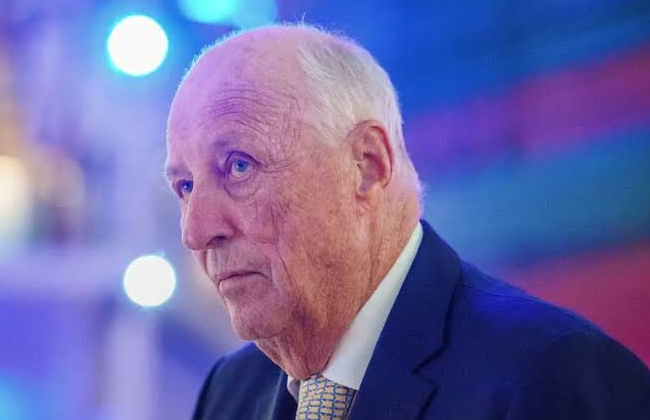
Norway’s royal family gathered at Oslo’s Rikshospitalet on Thursday, 27 August 2026, after doctors reported a sharp decline in King Harald’s condition. The Royal Palace described the 89-year-old monarch’s health as extremely serious in a terse morning dispatch. Queen Sonja, Crown Prince Haakon, and Crown Princess Mette-Marit cancelled all official duties to remain by his hospital bedside. Hundreds of citizens gathered outside the royal palace in central Oslo to leave flowers and light candles. The sudden deterioration brought normal state business in the capital to a complete standstill. A quiet dread now grips a nation that has known only one monarch for three and a half decades. Sudden royal declines test the emotional ballast of constitutional democracies. The palace statement stripped away earlier optimism about a steady recovery.
The monarch entered the National Hospital on 17 August to receive treatment for haemolytic anaemia. The autoimmune disorder destroys red blood cells faster than the bone marrow can replace them. Heavy cortisone therapy led to severe fluid buildup that complicated his daily breathing. Doctors later detected a bacterial infection in his bloodstream that required aggressive antibiotic infusions. The king showed initial signs of stabilisation before suffering a relapse over the weekend. Decades of chronic cardiovascular and respiratory ailments have eroded his physical reserves. Advanced age leaves little room for clinical error in intensive care wards. Medical hardware cannot indefinitely sustain an exhausted heart.
Crown Prince Haakon assumed full constitutional duties as regent the moment his father entered the hospital. The 53-year-old heir has managed the state council and weekly ministerial audiences with calm efficiency. He has stepped into the regent’s chair frequently over the past two years during previous health crises. His steady public presence provides institutional continuity while the royal household faces private grief. The crown prince represents a modern generation that blends royal tradition with informal public engagement. He must guide the realm through a delicate generational shift. Crown Princess Mette-Marit joined him at the hospital despite her own chronic pulmonary fibrosis. The royal couple now shoulders the entire symbolic weight of the Norwegian crown.
King Harald ascended the throne in January 1991 following the death of his father, King Olav V. He became the first Norwegian-born prince to rule the country in more than five centuries. His reign modernised the Scandinavian court while stripping away unnecessary aristocratic aloofness. He repeatedly rejected calls to abdicate, unlike his royal cousin Queen Margrethe II of Denmark. Harald insisted that his sacred oath to the Norwegian parliament bound him for his entire natural life. Duty remains an absolute lifelong commitment in his traditional royal philosophy. That stubborn devotion to duty cemented his standing as a beloved national father figure. He chose to work through pain rather than surrender the crown.
The grave news from the hospital echoed through every branch of the Norwegian state on Thursday. Prime Minister Jonas Gahr Støre interrupted a cabinet budget conference to express the nation’s deep concern. Støre quickly cancelled a scheduled official visit to Germany to remain in Oslo. The president of the Storting, Masud Gharahkhani, cut short an official trip to Iceland to fly home. The College of Bishops of the Church of Norway ended their visit to the Vatican ahead of schedule. State institutions moved instinctively to close ranks around the sickbed. Political rivalries vanished as party leaders issued uniform statements of sympathy and solidarity. National cohesion remains the core purpose of a constitutional monarch.
Opinion polls consistently show that nearly two-thirds of Norwegians support the retention of the monarchy. King Harald built that overwhelming public goodwill through genuine empathy during national tragedies. He wept openly with grieving families after the July 2011 massacres in Oslo and Utøya. His famous 2016 palace garden speech championed pluralism, tolerance, and equal rights for all citizens. He defined Norwegians as people who love each other regardless of faith, origin, or sexual orientation. That moral clarity elevated him above the daily squabbles of parliamentary politics. He turned a medieval office into a modern civic anchor. Few political leaders ever command such broad and unforced public affection.
The royal family faces this grave moment amid swirling domestic controversies and private strains. Princess Märtha Louise recently drew sharp criticism after marrying an American alternative healer who underwent a kidney transplant. Legal troubles surrounding Marius Borg Høiby have also cast an uncomfortable shadow over the palace. King Harald’s personal moral authority has long shielded the royal institution from aggressive public scrutiny. His eventual passing will expose the crown to sharper debate about the utility of hereditary privilege. Crown Prince Haakon will need every ounce of his natural tact to preserve public trust. Respect for the throne rests on character rather than ancient bloodlines. Norway prepares for an emotional transition as its venerable king fights for his life.