
Fresh figures from Nigeria’s health authorities have laid bare the scale of a diphtheria outbreak that began almost four years ago and still refuses to end, with the overwhelming majority of victims turning out to be children who never received a single vaccine against a disease that is entirely preventable.
The Director General of the Kano State Centre for Disease Control, Professor Muhammad Abbas, disclosed at the weekend that of more than 32,000 confirmed diphtheria cases recorded in the state since December 2022, close to 17,000 involved zero dose children, meaning children who had never been immunised at all. According to Abbas, only about 9,000 of the confirmed patients were fully vaccinated, while the rest were either partially vaccinated or had no immunisation records. He described the situation as a public health crisis of the country’s own making.
Kano has carried the heaviest burden throughout the outbreak. Abbas said the state had investigated more than 39,000 suspected cases since December 2022, of which over 32,000 were confirmed and more than 1,800 patients died. At the peak of the crisis, between 2022 and early 2023, Kano alone accounted for more than 85 per cent of the national diphtheria burden. To widen access to care, the state now operates 26 designated treatment facilities, split evenly between secondary and primary health centres.
The national picture, released almost simultaneously, confirms that the outbreak remains active. The Director General of the Nigeria Centre for Disease Control and Prevention, Dr Jide Idris, told a briefing in Abuja that the country had recorded more than 10,000 confirmed diphtheria cases in 2026 alone, with infections concentrated in Kano, Borno and Bauchi states. Cumulatively, according to NCDC data, Nigeria has logged 65,759 suspected cases and 2,229 deaths since the outbreak was first detected in Kano in December 2022. Idris noted that the proportion of confirmed cases resulting in death had fallen considerably compared with the same period last year, an improvement he linked to intensified vaccination and case management.
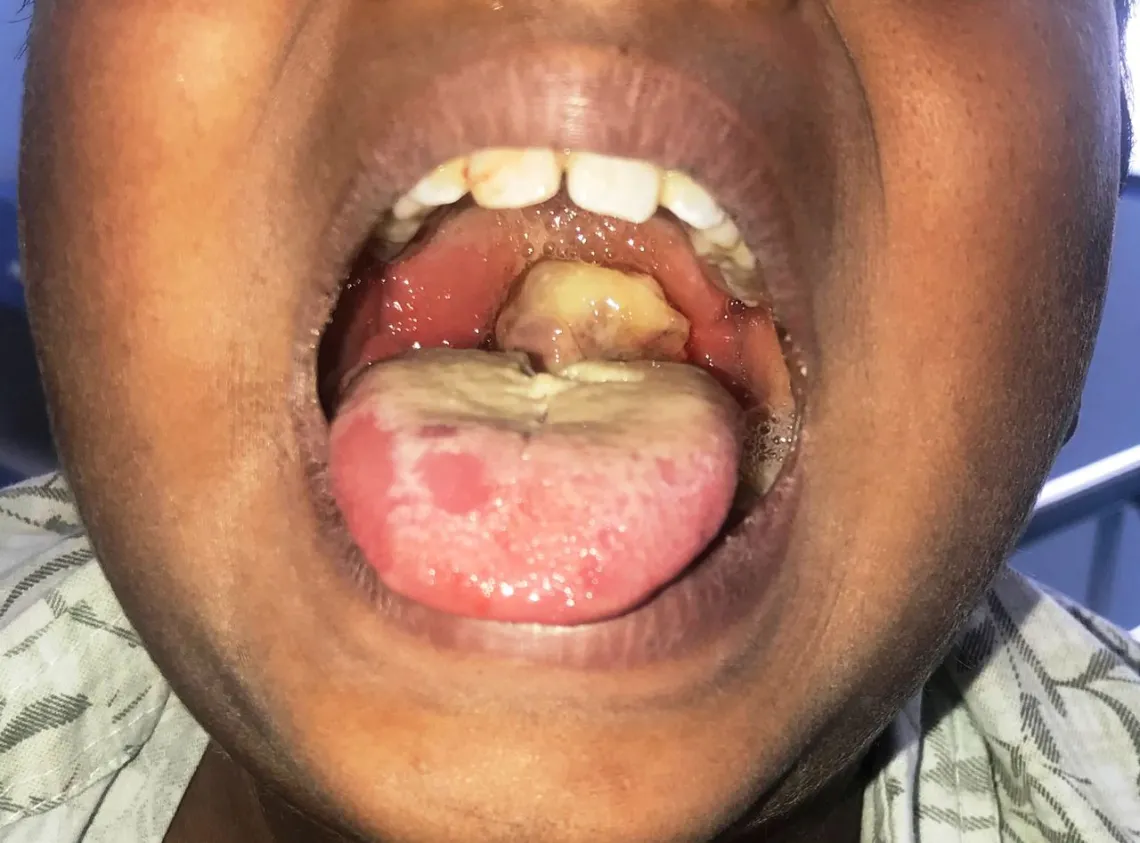
Diphtheria is a bacterial infection caused by Corynebacterium diphtheriae. It attacks the membranes of the throat and nose, where the bacterium releases a toxin capable of causing breathing difficulties, heart failure and nerve damage. It spreads easily in crowded settings and can kill within days if untreated. Crucially, it is preventable through the diphtheria toxoid, delivered in Nigeria as part of the pentavalent vaccine given in infancy.
That is what makes the recurring death toll so difficult to accept. Idris said the central problem remained that too many children were unvaccinated or incompletely vaccinated, with vaccine hesitancy, insecurity, hard to reach communities, displacement and population movement all frustrating efforts to close the gap. The pattern has been consistent since the outbreak began. When the NCDC declared the 2023 episode the worst in more than a decade, its data showed that only about a quarter of confirmed patients had been fully immunised.
The consequences of missed vaccination are visible in the newest local data. Abbas said that in Rano Local Government Area, which recorded 32 cases between January and 26 August 2026, 94 per cent of patients had never received any form of vaccination and 91 per cent had presented late for treatment. Two of the 32 died. Delayed presentation, he warned, was compounding an already dangerous situation because diphtheria devastates patients quickly.
The outbreak sits on top of a much larger structural weakness in Nigeria’s immunisation system. According to UNICEF, Nigeria bears the highest global burden of zero dose children, estimated at about 2.1 million children under the age of one who have received no routine vaccine at all. That figure represents roughly 24 per cent of the country’s under one population of about 8.7 million. Globally, UNICEF and the World Health Organisation estimate that 13.5 million children received no vaccines in their first year in 2025, and Nigeria is among only nine countries that together account for more than half of them.
The gaps are widest where health systems are weakest. UNICEF has repeatedly pointed to conflict affected and hard to reach areas in the north east and north west as home to a disproportionate share of unvaccinated children, the same regions where diphtheria has proved most stubborn. Low routine coverage, overcrowded living conditions, malnutrition and delayed care seeking, health partners say, combine to leave children exposed.
There has been measurable progress alongside the persistent risk. Médecins Sans Frontières, which ran a three year emergency response in Kano before winding it down in 2026, reported treating more than 14,700 children and supporting mass vaccination rounds that reached hundreds of thousands of children, including 486,948 in one exercise in June 2026. Its coordinators credited these campaigns with the recent fall in reported cases, while cautioning that low routine immunisation coverage continued to leave children vulnerable.
The NCDC has stressed that the federal response alone will not contain the outbreak. Idris said much of the required action, from identifying children who missed their routine doses to reactive vaccination in affected communities, must be driven at state, local government and community levels. Abbas echoed the point, appealing to parents, traditional rulers and religious leaders in Kano to support immunisation, encourage early presentation at health facilities and abandon harmful traditional remedies.
The evidence points to a clear conclusion. Nigeria’s diphtheria burden is falling in intensity but not disappearing, and the deaths that continue are overwhelmingly among children who were never reached by a vaccine that has existed for decades. Whether the downward trend holds will depend less on treatment centres than on how many of the country’s zero dose children are finally immunised before the next outbreak season.