
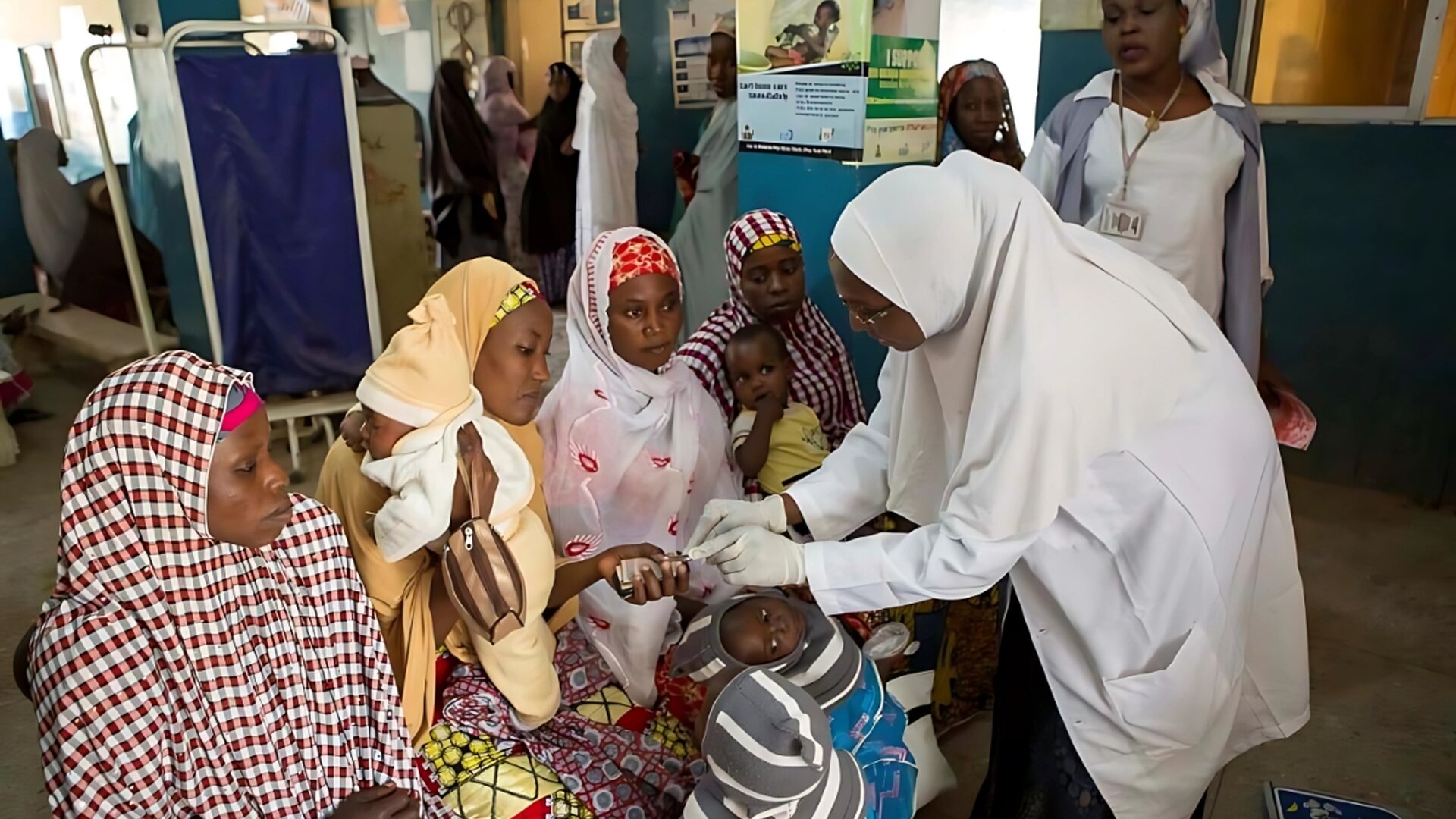
Public health clinics across Nigeria are witnessing an alarming exodus. Low-income patients managing chronic conditions, from HIV and tuberculosis to non-communicable diseases, are increasingly turning away from public hospitals to seek refuge in prayer camps, traditional healing homes, and informal patent medicine stores. This flight is the direct outcome of a severe contraction in foreign development assistance and international health subsidies. As global donors scale back programmes that once provided free diagnostic panels, therapeutic regimens, and subsidised medications, millions of indigent citizens find themselves priced out of conventional clinical care.
This retreat of multilateral health finance exposes the fragile foundation of the Nigerian welfare structure. For over two decades, the Nigerian state outsourced several of its primary and tertiary disease-control infrastructure to international partners. Bilateral donor grants shielded successive administrations from the political and financial obligation of building a comprehensive, tax-funded health safety net. Now that foreign aid priorities have pivoted inward amidst global geopolitical shocks, the state has no functional backstop in place. The collision between receding external capital and an underfunded domestic health system threatens to push millions into catastrophic medical poverty, undoing decades of public health progress.
The Institutional Absorption Challenge: Scaling the BHCPF and NHIA
The statutory answer to this crisis exists on paper through the Basic Health Care Provision Fund (BHCPF) and the National Health Insurance Authority (NHIA) Act. Established under Section 11 of the National Health Act 2014, the BHCPF was designed to finance the Basic Minimum Package of Health Services, guaranteeing essential interventions to the most vulnerable citizens through its primary care and insurance gateways. The NHIA Act of 2022 made health insurance mandatory for every Nigerian and established the Vulnerable Group Fund (VGF) to subsidise coverage for those unable to pay premiums.
In practice, these mechanisms lack the fiscal scale and operational speed required to absorb cohorts orphaned by foreign grant terminations. The statutory allocation of one per cent of the Consolidated Revenue Fund (CRF) to the BHCPF remains insufficient for a country of over 200 million people, where out-of-pocket health expenditure exceeds 70 per cent. Despite the recent registration of over two million indigent persons under state social health insurance agencies, the vast majority of informal sector workers remain entirely uninsured.
Scaling this safety net requires immediate execution of the proposed legislative expansion to lift the statutory BHCPF allocation from one per cent to at least two per cent of the CRF. Beyond statutory increases, subnational governments must be compelled to meet their statutory counterpart funding obligations. Many state administrations treat primary health care as an afterthought, neglecting to co-finance basic insurance premiums while state health insurance agencies struggle with bureaucratic delays and poor claims administration. Without a streamlined, digitalised enrolment system that removes administrative barriers for informal households, the statutory framework will remain an abstract aspiration rather than a functional social shield.
The Public Health Fallout: Treatment Disruption and Epidemic Resurgence
The structural breakdown of subsidised care carries severe epidemiological hazards. When vulnerable cohorts abandon evidence-based clinical protocols for faith-based sanctuaries and unregulated herbalists, the consequences extend far beyond personal tragedy. They trigger widespread systemic public health crises.
Interrupted treatment of chronic infectious diseases generates an ideal breeding ground for drug-resistant pathogens. In the context of HIV and tuberculosis, irregular drug access and informal therapies accelerate viral rebound and foster multidrug-resistant strains. Managing drug-resistant tuberculosis or second-line antiretroviral failures demands vastly higher clinical expenditures, specialised laboratory infrastructure, and prolonged hospital stays—resources that the Nigerian health sector does not possess.
The flight to the informal health market also blinds the national disease surveillance architecture. Faith healers and unregulated patent vendors operate entirely outside statutory reporting systems. Outbreaks of vaccine-preventable illnesses, emerging zoonotic fevers, and acute treatment complications are concealed within informal enclaves until secondary transmission peaks within the broader population. What begins as an unaddressed financial barrier for low-income households quickly degenerates into uncontrollable outbreaks that threaten general biosecurity.
Financing the Void: Domestic Resource Mobilisation and Social-Impact Taxes
Nigeria can no longer rely on external charity to sustain basic human survival. Filling this fiscal deficit requires an overhaul of domestic health financing, moving beyond erratic budgetary releases toward dedicated, non-discretionary revenue streams.
The most practical instrument is the expanded deployment of earmarked social-impact sin taxes. While existing excise duties on tobacco, alcohol, and sugar-sweetened beverages channel revenue into the general federation account, these funds disappear into recurrent government expenditures. The National Assembly must enact explicit earmarking legislation that channels every naira collected from health-harming products directly into the NHIA Vulnerable Group Fund and the BHCPF. Taxing products that drive chronic non-communicable diseases provides a dual policy dividend: it discourages hazardous consumption while generating dedicated, predictable capital to treat the ailments they cause.
Additional domestic financing streams must tap into profitable corporate sectors. A statutory micro-levy on electronic telecommunications traffic, cross-border corporate remittances, and high-frequency financial transactions can establish an automated funding pool for emergency health interventions. Wealthy subnational entities with strong internally generated revenue must also establish state-level equity funds for subsidising secondary and specialised care for indigents.
The era of outsourced national health security is over. The contraction of global aid has stripped away the illusion that foreign donors would indefinitely underwrite basic medical care in Nigeria. The state must now choose between funding a functional public health safety net through domestic resource mobilisation or managing the catastrophic social, economic, and epidemic consequences of public health neglect.