
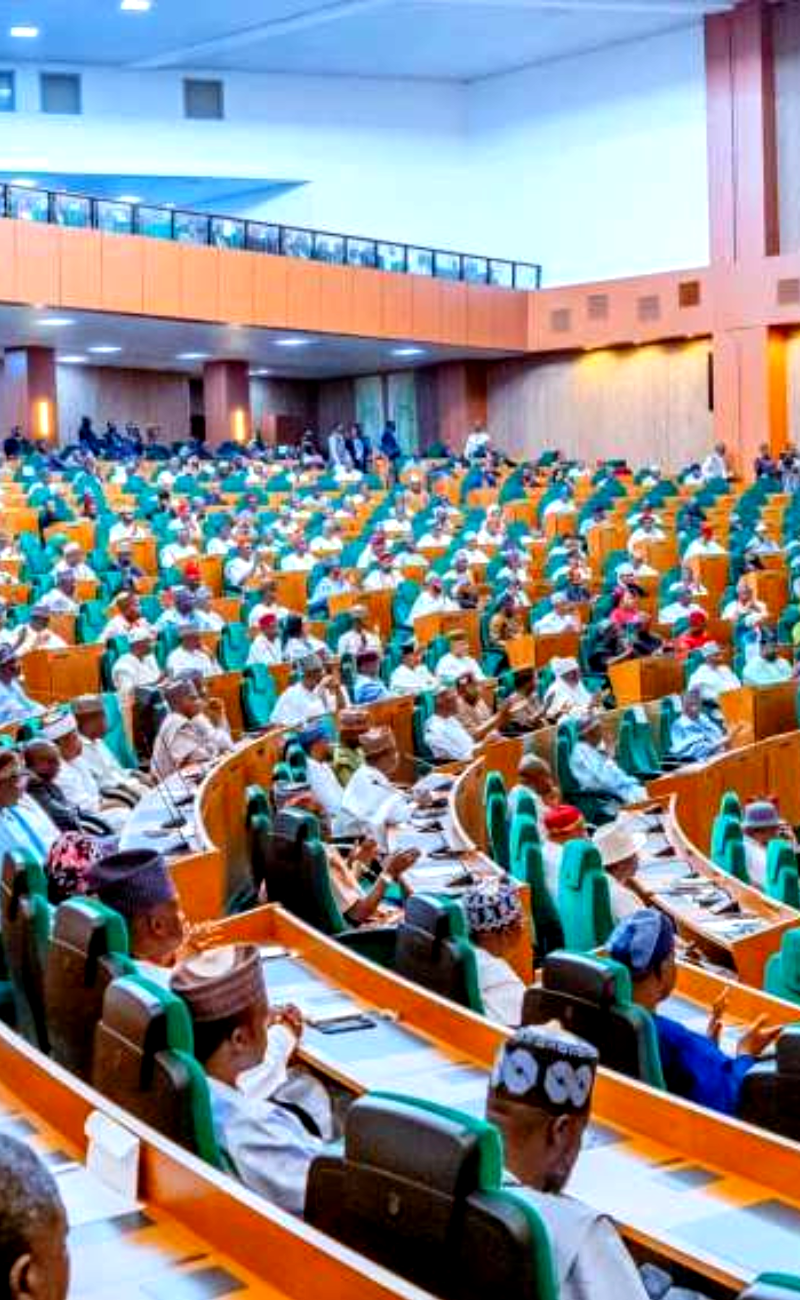
The House of Representatives has opened a formal inquiry into a massive N432.07 billion debt that the Nigerian National Petroleum Company Limited and private oil marketers owe the midstream petroleum regulator. Lawmakers in Abuja directed the Public Accounts Committee to uncover why statutory levies collected from the energy market never reached state coffers. Committee chairman Bamidele Salam told reporters on Wednesday, 9 September 2026, that the panel will demand full records from all corporate defaulters. The investigation targets liabilities that piled up between 2017 and 2023 without regulatory recovery. State audit findings reveal that public funds sat in private bank accounts for over six years. Official audits paint a grim picture of regulatory neglect. Uncollected levies starve the federal treasury of vital cash.
A close review of official audit submissions reveals two conflicting sets of accounting numbers. Regulators put the combined debt at N392.73 billion for the period ending in 2023. Under that schedule, the national oil firm owed N162.46 billion, while private marketing firms held N230.27 billion. The Auditor-General’s 2024 review told a far worse story, fixing private marketing arrears alone at N432.07 billion. That larger total completely excluded the liabilities of the national oil company. Fresh regulatory submissions showed that 146 major oil marketing firms owed N327.53 billion by the close of 2025. These vast gaps between public ledgers show how sloppy record-keeping shields chronic defaulters. Conflicting books invite wholesale fraud across public agencies.
The unpaid sums represent statutory charges that commercial marketers collect directly from consumers at retail pumps. These funds include the Balancing Allowance, the National Transport Average, and the one per cent Midstream and Downstream Gas Infrastructure Fund. The liabilities also cover legacy debts linked to coastal freight, import operations, and extended credit windows. Motorists paid these fees whenever they bought petrol and diesel at retail filling stations. Yet marketing firms simply kept the money on their balance sheets instead of remitting it to the regulatory authority. By holding back these statutory collections, oil firms gave themselves cheap, interest-free commercial loans. Companies keep public cash to fund private trade. Regulators watched quietly while operators hoarded state revenue.
The three major trade cartels under legislative scrutiny dominate the commercial fuel trade across the federation. These include the Major Energies Marketers Association of Nigeria, the Depot and Petroleum Products Marketers Association of Nigeria, and the Independent Petroleum Marketers Association. Together, these commercial groups run the coastal marine depots and retail filling stations that keep fuel flowing. Their members collected public funds with one hand while delaying regulatory settlements with the other. The Nigerian Midstream and Downstream Petroleum Regulatory Authority possessed full legal powers to penalise defaulters and shut non-compliant depots. Instead, regulatory bureaucrats allowed unpaid liabilities to gather dust across six calendar years. Regulatory weakness turns statutory rules into voluntary suggestions. The watchdog became an idle spectator.
This legislative inquiry exposes the institutional rot that persists inside the national oil company despite its commercial rebranding. Lawmakers turned the old corporation into a limited liability entity under the Petroleum Industry Act to promote commercial discipline. Yet the company continues to treat public revenues as an internal petty-cash fund. Holding back N162.46 billion in statutory fees shows that corporatisation did not cure bad bureaucratic habits. The company routinely uses public levies to plug operational deficits before transferring balances to the federation account. Company executives justify these delays by pointing to unpaid government subsidies and historic cost claims. Such circular accounting tricks obscure real trading performance from legislative scrutiny. Corporate labels cannot hide old habits of fiscal indiscipline.
The failure to collect these funds deals a severe blow to domestic gas development plans. Lawmakers created the one per cent gas infrastructure fund to finance processing facilities and pipeline grids across the country. Without pipeline links, domestic manufacturers must run heavy generators on expensive diesel that costs over N2,000 per litre. Diverting these infrastructure funds directly delays the expansion of compressed natural gas networks for commercial vehicles. At the same time, the federal government borrows expensive cash from local banks to balance its books. The state borrowed N24.7 trillion from domestic debt markets in eight months, crowding private firms out of bank credit. Leaving N432 billion uncollected while borrowing at steep interest rates represents remarkable fiscal incompetence. A poor nation cannot afford to leave its money on the table.
Lawmakers insist the investigation serves the wider public interest rather than narrow political ends. Salam stressed that the committee exercises its constitutional oversight duty to protect public wealth. The panel intends to summon managing directors, examine bank statements, and issue formal recovery orders. Similar legislative probes in the National Assembly have rarely produced concrete refunds or criminal convictions. Political fixers often step into parliamentary hearing rooms to strike quiet deals with connected corporate donors. Lawmakers will summon corporate bosses, deliver fiery speeches for television crews, and file reports that gather dust. Parliament must demand immediate bank transfers rather than polite explanations. Empty threats make lawmakers look foolish before powerful cartels.
The midstream regulator must overhaul its revenue collection desks if it wishes to salvage its professional standing. The agency needs automated billing platforms that link fuel depot discharges directly to statutory bank clearing accounts. Marketers who fail to remit statutory collections within thirty days should face immediate operating suspensions and depot closures. The Ministry of Justice should freeze the commercial bank accounts of serial defaulters to recover outstanding balances. In a country where small retail traders face aggressive local tax enforcement, allowing billionaire oil merchants to withhold billions is an outrage. The House of Representatives has pulled back the curtain on a long-running corporate heist. Lawmakers must now prove they have the stomach to recover the money.