
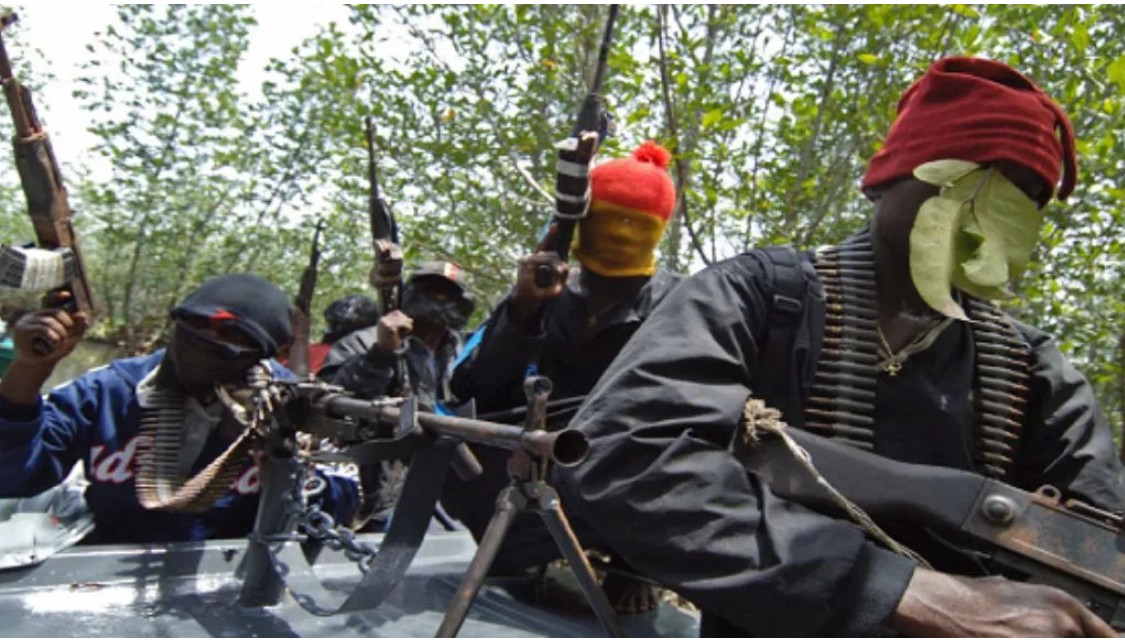
Armed bandits killed five people and seized 27 villagers during nighttime raids across farming settlements in Kaduna State on Monday, 7 September 2026. Gunmen struck rural outposts in Giwa and neighbouring districts, turning quiet homesteads into open hunting grounds. In Tunburku, assailants shot two community elders, Alhaji Surajo and Alhaji Ado, while another resident, Ayyuba Usman, took bullet wounds. Simultaneously, raiders stormed Tudun Amada in Kadage District and dragged 26 locals into the scrubland under cover of darkness. A separate weekend raid claimed the lives of local vigilante officers, pushing the death count to five. The attackers operated on motorbikes, firing automatic rifles into mud brick houses to cow the villagers. Security officers arrived long after the dust settled and the screams died down. Rural Kaduna remains a killing field where life costs very little.
Yunusa Shehu, the spokesman for the Kaduna State Vigilance Service, confirmed the grim tally during an official briefing on Tuesday. Local guards tried to stand their ground with crude hunting rifles and courage. Their deputy commander and two junior vigilantes fell in a hail of gunfire during an earlier ambush over the weekend. Peasant volunteers routinely pay with their blood while trying to protect agrarian hamlets. The state government leans heavily on these poorly equipped guards to plug glaring policing holes. Untrained villagers with single-shot muskets cannot match battle-hardened bandits carrying foreign assault rifles. State officials outsource mortal danger to impoverished farmers while keeping police units in city centres. The state asks unpaid guards to face Kalashnikov rifles.
The assailants mixed bloodletting with bare-faced economic plunder during their sweep through Danmahawayi District. Gunmen rustled dozens of cows in Kura and Kallon Kura before dawn, stripping herders of their life savings. Kidnapping for ransom now functions as the primary cash crop across north-western bush tracks. Bush commanders run their syndicates like predatory tax collectors who harvest human bodies for profit. Peasant farmers must pay protection levies before planting crops and pay ransom when cartels haul their relatives away. Many families sell their remaining grain stores and plots of land to scrape together ransom demands. Rural commerce grinds to a halt as food producers abandon fertile soil to dodge death. Predatory gangs turn agrarian communities into barren dust bowls.
The Kaduna State Police Command responded to the bloodshed with its usual stone-faced silence. Police spokesman Mansir Hassan did not answer press calls or return urgent telephone messages on Tuesday. Divisional police stations sit miles away from rural wards, cut off by broken asphalt and unpaved dirt tracks. Rural constables often lack patrol vans, spare ammunition, and fuel to mount quick rescue missions. When distress calls reach local stations, officers wait for daylight or ask terrified villagers to fund patrol petrol. Federal security blueprints keep the bulk of the national police force guarding VIP politicians in state capitals. Ordinary peasants face automatic weapons without a single police badge in sight. Official silence shields systemic policing failure from public scrutiny.
Kaduna State Governor Uba Sani faces an escalating security disaster that threatens to derail his agrarian economic plans. Sani took office promising to mend fences with rural communities and deploy technology against bush camps. Yet armed cartels roam the scrubland with near-total freedom, striking farming districts at will. The state government spends billions of naira on security logistics without denting the operational reach of the gangs. Sani must juggle rural terror while managing fiscal austerity and high local debt burdens. Political rivals now use the worsening body count to question his administrative grip ahead of party primaries. State chief executives possess fancy titles as chief security officers but control zero police battalions. Executive titles mean nothing without actual command over federal troops.
The Giwa raids fit into an expansive arc of lawlessness that spans Kaduna, Zamfara, Katsina, and Niger states. Forest reserves like Kamuku and Birnin Gwari offer dense canopy and deep gorges where bandit kings maintain permanent training camps. Marauders move freely across state borders on trail motorbikes, dodging slow-moving army patrols with ease. Federal military operations yield impressive press statements about air strikes but rarely hold conquered ground. Soldiers bomb empty bush clearings, claim victories on paper, and then withdraw to fixed urban bases. The moment army trucks roll away, the cartels slip back to terrorise the nearest farming settlement. State borders in the north exist only on paper maps. Ungoverned forests swallow up whole battalions without a trace.
The persistent terror in Kaduna strikes directly at Nigeria’s fragile food supply and national economy. Giwa and Birnin Gwari supply vast quantities of maize, sorghum, and grain to southern consumer markets. When bandits slaughter growers and haul tractor drivers into the scrub, food supplies drop, and urban prices spike. Nigeria battles stubborn food inflation while food belts turn into deserted war zones. The Bank of Agriculture launched a N200 billion grain guarantee scheme this week to steady farm output, but money cannot buy courage. Subsidised grain loans produce nothing when farmers cannot step onto their farms without armed escorts. Urban consumers pay higher food bills because rural growers face death in their fields. High grocery prices begin with rifle shots on northern dirt tracks.
The Nigerian state must overhaul its defensive posture before rural northern communities collapse completely. Defence chiefs in Abuja need to deploy permanent, mobile ranger units to patrol bush trails and choke off arms pipelines. The federal government must allow states to set up well-regulated, professional state police forces rather than relying on sacrificial vigilante groups. Lawmakers must criminalise ransom payments and hunt down the urban banking conduits that launder kidnap profits. Political leaders must stop issuing routine condolences and start holding military commanders accountable for lost territory. If Abuja fails to tame these bush cartels, famine and anarchy will overwhelm the federation. A nation that cannot protect its farmers cannot feed its people.