
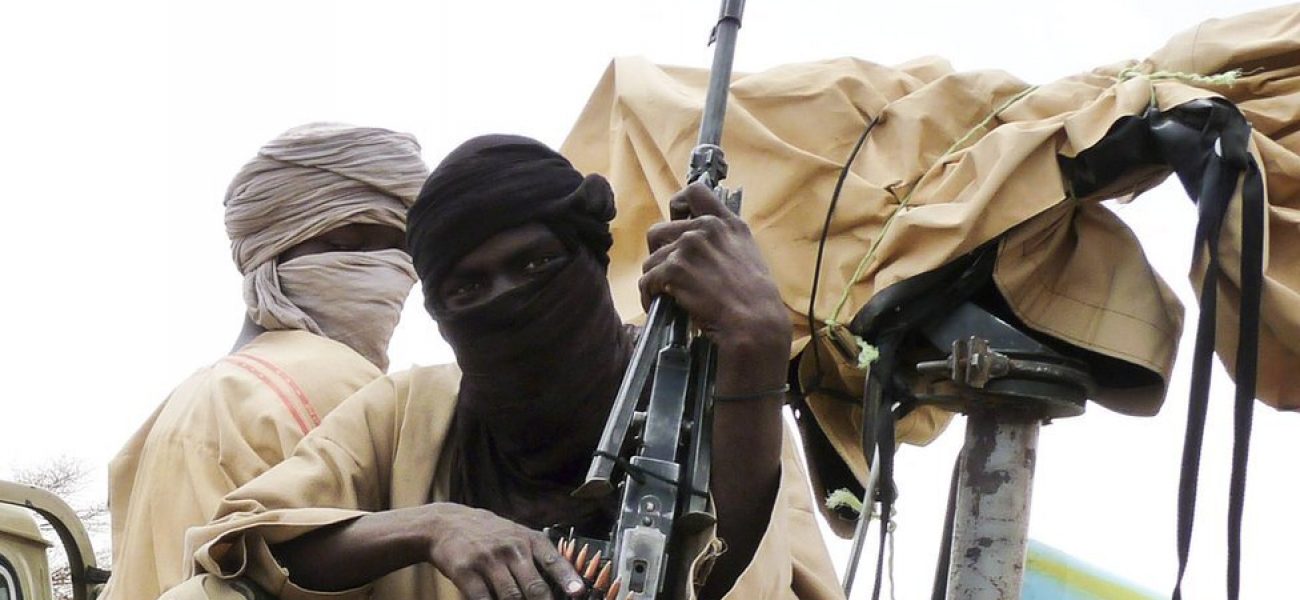
Armed bandits stormed four rural mosques in Niger State on Monday, gunning down at least 30 worshippers during morning prayers. The coordinated raids tore through farming settlements across the state’s restive rural districts. Gunmen arrived on motorcycles in large packs and surrounded the prayer houses before opening fire on defenceless congregations. Several worshippers suffered life-threatening bullet wounds as panic gripped the remote agrarian hamlets. The attackers set several village houses on fire before fleeing back into the expansive forest reserves. Rural communities in Niger State now live under the constant shadow of violent extortions and deadly midnight raids. Bloodshed inside places of worship exposes the total collapse of rural policing across the north-central belt.
Targeting houses of worship marks a sinister shift in the operational habits of northern bandit gangs. Criminal syndicates no longer limit their violence to highway hold-ups and discrete kidnapping raids for cash. They now strike sacred communal spaces to break the psychological resolve of farming populations. Worshippers gather in the early dawn with zero physical protection against automatic weapons. Gunmen exploit these predictable prayer hours to inflict maximum casualties in minutes. This deliberate terror forces entire villages to abandon their ancestral land without putting up resistance. Cruelty has become a deliberate commercial tool for territorial control.
The geography of Niger State offers armed outlaws unmatched room for rapid movement and concealment. Dense forest corridors link local agrarian councils directly to lawless hideouts in neighbouring Kaduna and Zamfara states. Bandits ride through these unmapped bush paths without encountering a single army roadblock or police outpost. Security forces remain clustered inside urban administrative centres, leaving vast swathes of countryside completely unprotected. By the time emergency distress calls reach divisional police headquarters, the raiders have already vanished into the thickets. Reactive military sweeps accomplish very little when outlaws easily slip across porous state boundaries. Forest terrain continues to defeat static security deployments.
Local hunters and community vigilantes bear the main burden of community defence with crude hunting rifles. These barefoot volunteers understand the local topography far better than conventional soldiers from distant garrisons. Yet community guards cannot match the firepower of criminal networks armed with foreign assault weapons. Outlaws routinely target vigilante commanders for assassination to eliminate organised local resistance. Peasant farmers spend their small savings buying cartridges and fuel for neighbourhood night patrols. State authorities often praise these local volunteers while denying them formal logistics backing and legal protection. Rural defence cannot rely forever on raw courage and homemade flintlocks.
The persistent slaughter of rural dwellers directly strangles domestic food production across one of the country’s main grain belts. Peasant farmers now shun their fertile yam and grain fields during peak planting seasons out of pure fear. Armed gangs demand millions of naira in illegal harvest levies before allowing villagers to touch their crops. Families that cannot pay these protection levies face sudden execution or violent abduction in their fields. Wholesale food supplies heading to urban markets in Abuja and Minna face severe disruptions and rising freight costs. National food inflation climbs higher as fertile agricultural basins turn into killing fields. Insecurity in the countryside exacts an immediate economic toll at urban dinner tables.
State and federal officials respond to these massacres with a predictable script of public condolences and empty warnings. Governors issue stern press releases vowing to track down the killers, but follow-up actions rarely follow. Defence chiefs deploy temporary fighter jet patrols that drop bombs on empty trees after the gunmen scatter. Grieving villagers bury their dead in mass graves without seeing a single investigator arrive to collect forensic evidence. The total absence of criminal convictions emboldens bandit leaders to plan even larger raids on nearby hamlets. Official statements offer no comfort to orphans who watch their family breadwinners die in prayer halls. Impunity remains the primary fuel of rural lawlessness.
Stopping these massacres requires cutting the supply lines that feed guns and fuel to forest gangs. Criminal gangs buy thousands of rounds of ammunition from cross-border smuggling rings operating along regional frontiers. Corrupt intermediaries move drumloads of petrol into forest camps to keep bandit motorcycle fleets running daily. Security agencies must use electronic surveillance to track the cash transfers that finance these illicit supply networks. Financial intelligence units must identify the rural merchants and fuel dealers who service forest camps for profit. Starving these outlaws of petrol and bullets will paralyse their operational reach faster than blind jungle sweeps. Logistics strangulation represents the sharpest weapon against rural terror.
The Nigerian state must establish permanent forward operating bases inside vulnerable rural corridors to restore citizen trust. Armed forces cannot protect dispersed farming settlements through occasional show-of-force convoys on paved highways. Commanders must deploy well-equipped mobile units capable of pursuing outlaws deep into border forests on motorbikes. Government must also invest in solar communication towers so rural dwellers can send instant distress alerts. Protecting citizens in their homes and prayer houses remains the foundational duty of any sovereign government. If the state fails to secure its rural heartlands, communities will inevitably seek justice through private vengeance. Reclaiming the countryside requires unyielding military resolve and honest political commitment.