
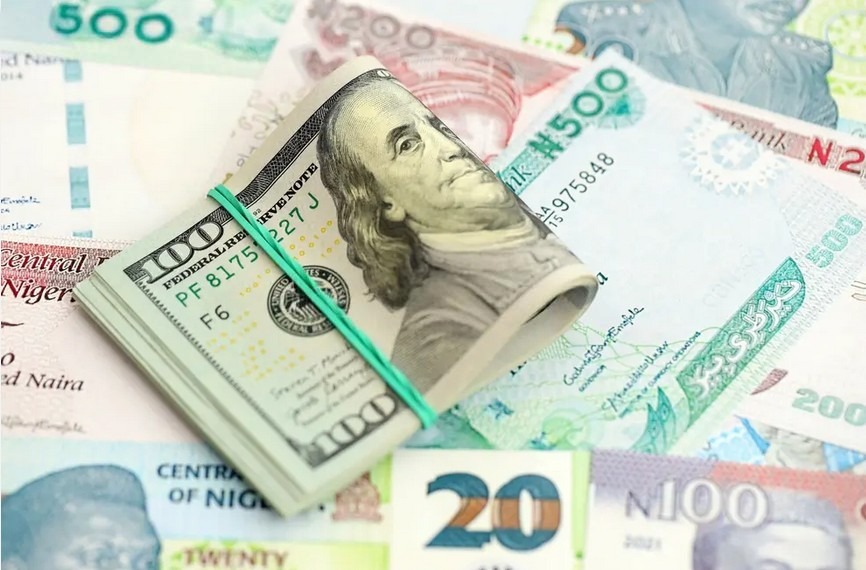
The Nigerian naira gained ground against the British pound sterling on Wednesday, 9 September 2026, firming to N1,788 in official interbank dealings. The rally caps two weeks of steady appreciation as the Central Bank of Nigeria chokes off speculative demand for foreign paper. Bureau de change operators in Lagos and Abuja adjusted their retail selling boards down towards N1,850 to reflect the official gains. Currency dealers report a visible drop in reckless bets against the local unit. The monetary authority aims to restore faith in a currency that lost half its value over recent years. The spread between formal bank windows and street trading desks narrowed to roughly sixty-two naira. That convergence offers brief relief to central bankers in Abuja. Expensive money keeps the local currency artificially buoyant.
Governor Olayemi Cardoso built this recovery upon a deliberate domestic liquidity famine. The central bank sucked nearly N2.9 trillion from commercial bank vaults last week through massive Open Market Operations. That mop-up pushed the interbank overnight lending rate to 22.20 per cent, leaving commercial lenders starved of spare cash. Commercial treasurers can no longer borrow cheap naira to hoard foreign bank notes. Strict regulatory cash reserve ratios force banks to keep their remaining funds in deep freeze. Tier-one banks now demand verified shipping manifests before processing foreign transfer requests for corporate buyers. Currency round-tripping has become far too costly for speculative syndicates to run. Scarcity of cash reliably halts currency runs.
Robust foreign exchange reserves provide the apex bank with substantial muscle to police market volatility. Official external buffers crossed $54.08 billion this month, marking an 18-year high for the national treasury. Rising diaspora remittances through licensed international money transfer operators helped replenish those depleted vaults. Allowing remittance houses to quote prevailing market rates pulled substantial retail flows away from shadowy black-market cartels. Regular hard currency inflows reassure foreign lenders that Nigerian banks can settle trade obligations on schedule. Offshore fund managers see these swelling reserves as proof of sovereign solvency. Yet building foreign buffers on short-dated portfolio cash creates a fragile sense of wealth. Hot money flees at the first sign of trouble.
The real economy pays a terrible price for this currency stability. The monetary policy committee keeps its benchmark rate at 26.50 per cent to anchor foreign capital in local debt paper. Commercial lenders respond by demanding loan charges above 35 per cent from local manufacturers. Few industrial plants can generate operating profits high enough to settle such predatory borrowing rates. Factory bosses across Ikeja and Agbara freeze new equipment purchases to keep debt under control. Commercial banks prefer to buy risk-free government paper rather than extend credit to private manufacturers. The monetary authorities protect the external exchange rate while local factories slowly bleed to death. High interest rates suffocate private enterprise every single day.
Worsening energy costs wipe out any commercial relief that a stronger exchange rate might bring. Retail diesel crossed N2,000 per litre this week, driving factory fuel bills to half of total operating expenses. Frequent national electricity grid collapses force industrialists to burn fuel in heavy private generators throughout the day. Retail petrol prices near N1,370 per litre similarly erode the purchasing power of everyday urban workers. Domestic refiners peg their bulk fuel prices to international dollar quotes, passing global crude price jumps straight to local pumps. Middle East military skirmishes push international crude benchmarks toward $97 a barrel, worsening local energy inflation. High fuel costs prevent factory gate prices from falling even as the naira strengthens against foreign currencies. Expensive fuel negates the benefits of a stronger currency.
Trade figures show that paper accounting gains do not equal genuine industrial prowess. Nigeria posted a merchandise trade surplus of N12.59 trillion in the second quarter, but mineral exports drove the entire balance. Crude oil and gas sales brought in nearly all foreign receipts, while non-oil industrial exports remained tiny. Local manufacturers ship raw cocoa and unrefined sesame seeds rather than finished consumer wares to foreign ports. At the same time, total imports shrank by twelve per cent because impoverished citizens simply stopped buying imported goods. High domestic prices and low household wages suppress consumer demand across retail markets. Statistical surpluses often conceal deep poverty in the real world. Shrinking import volumes reflect hardship rather than industrial success.
The seasonal calendar will soon test the resilience of this newfound currency strength. September brings heavy corporate and retail demand for British pound sterling as thousands of Nigerian students pay British university tuition. Parents must buy expensive sterling drafts to cover tuition and living expenses in London, Manchester, and Birmingham. That annual tuition scramble usually triggers severe foreign exchange shortages across commercial branch counters. If the central bank refuses to release sufficient foreign exchange, retail buyers will flood informal street markets once again. The state pays private lenders hefty interest returns simply to keep commercial banking cash idle. Cardoso cannot sustain this monetary squeeze indefinitely without wrecking domestic businesses and killing private jobs. A healthy currency requires factory exports, not endless austerity.