
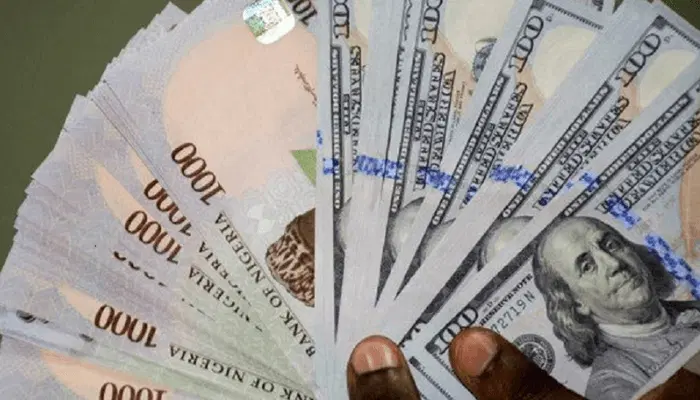
The naira opened Tuesday, 8 September 2026, holding firm around N1,321 per dollar in official trade, extending its measured appreciation as central bank interventions continue to starve currency desks of speculative local cash. In the parallel market, bureau de change operators adjusted quotes to N1,395 for buying and N1,405 for selling. The resulting gap between formal clearing desks and street traders has settled at roughly N84, keeping the spread within its narrowest band in two years. That convergence brings temporary cheer to the Monetary Policy Committee in Abuja. Yet this stability rests upon an uncomfortable macroeconomic foundation. The central bank keeps the home currency steady by draining liquidity from the wider economy. High interest rates defend the ledger while strangling everyday business.
The monetary squeeze traces back to aggressive open market operations by the Central Bank of Nigeria. Governor Olayemi Cardoso continues to pull trillions of naira from commercial bank vaults to choke currency speculation. By selling massive batches of short-dated debt paper, the apex bank forced the interbank overnight lending rate up to 22.20 per cent. Commercial lenders now hold on to cash simply to meet strict regulatory reserve requirements. Currency trading desks in Lagos report that commercial buyers must present verified trade paperwork before obtaining foreign exchange. Round-tripping and informal hoarding have become prohibitively expensive to fund with borrowed money. Tight money dampens appetite for speculation. High borrowing costs quickly cool currency desks.
Expanding foreign reserves have provided the monetary authority with fresh ammunition to defend the local currency. Nigeria’s external buffers climbed to $54.08 billion this month, marking an 18-year high for the national treasury. Increased diaspora remittances helped fill those vaults, with monthly inflows through licensed international money transfer operators approaching $1 billion. By letting money transfer houses trade at prevailing market prices, the apex bank diverted hard currency away from informal street syndicates. The steady buildup of foreign exchange reassures foreign portfolio investors that commercial banks can remit corporate dividends without administrative delays. Offshore fund managers see these reserves as evidence that the state can service its obligations. Full vaults deter currency runs. A central bank needs deep reserves to project credibility.
Yet this exchange rate stability exacts a punishing toll on domestic commerce. The central bank keeps its monetary policy rate at 26.50 per cent to defend the currency and rein in persistent inflation. Commercial banks respond by demanding retail lending rates above 35 per cent from domestic manufacturers. Factory owners cannot borrow at such levels to buy raw materials or replace machinery. The Manufacturers Association of Nigeria warned that domestic industrial output contracted in the second quarter under the weight of expensive credit. Tier-one banks prefer to lend to the federal government through high-yielding debt paper rather than extend credit to private firms. The monetary authorities protect the external exchange rate while factory floors struggle to stay open. Expensive credit starves real enterprise.
Shrinking outlays on imported petrol have also eased the commercial scramble for foreign currency. With domestic refining facilities supplying fuel to the home market, the national fuel import bill has dropped considerably. Retaining petrodollars within the domestic banking system removes a structural drain that previously gutted the external reserves. Importers of essential industrial inputs and food items face less competition for greenbacks at commercial desks. Yet retail fuel prices at domestic filling stations remain stubbornly high, eroding household disposable income. Relieving the national balance of payments has not brought immediate financial comfort to ordinary consumers. Domestic refining cures external currency bleeding. Retail fuel prices still drain family budgets.
The informal parallel market continues to absorb retail demand that formal banking halls refuse to serve. Small cross-border traders, overseas students, and families paying foreign medical bills still rely on street operators to buy cash without filling burdensome regulatory forms. High documentation thresholds at commercial branches push ordinary citizens toward street desks that demand a small premium for instant delivery. Street trading volumes remain modest as domestic consumers conserve scarce cash for basic food and transport needs. High domestic prices keep retail consumers away from luxury foreign goods. Everyday citizens buy fewer dollars simply because their living costs have risen sharply. Poverty acts as an unintended brake on foreign exchange demand.
The central bank faces a delicate balancing act as it prepares for its autumn monetary policy review. Draining trillions of naira every month costs the state substantial sums in interest payments on debt instruments. The treasury pays private lenders high returns simply to keep commercial cash idle and away from the currency market. Cardoso cannot run an emergency monetary squeeze indefinitely without triggering corporate insolvencies and job losses. Lower borrowing costs remain essential if agricultural processors and domestic manufacturers are to expand output and bring down persistent food inflation. True currency resilience requires strong factory exports rather than artificial cash shortages. Sustainable stability requires working factories. The central bank must eventually let credit flow back into the real economy.