
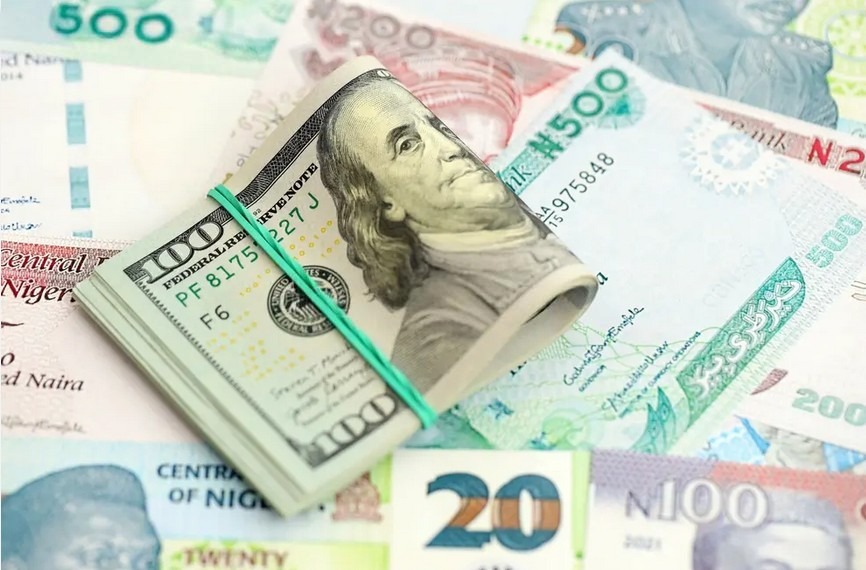
The Nigerian naira strengthened to N1,329 per US dollar at the official Nigerian Foreign Exchange Market on Thursday, 3 September 2026. Fresh data from the Central Bank of Nigeria shows the domestic currency gaining steady ground after closing earlier sessions near N1,337. Traders on commercial interbank desks in Lagos quoted live morning bids moving between N1,324 and N1,328 during brisk electronic exchanges. Parallel market dealers in Lagos and Abuja offered dollars at N1,400 to N1,410, keeping the retail spread near N75 to N80. The steady official appreciation follows sustained liquidity injections and firm domestic interest rates engineered by monetary chiefs. Importers report fewer delays in processing formal letters of credit through authorised dealer banks. Yet the stubborn premium in informal street stalls shows that retail demand still outruns official bank desks. Stability on trading screens has not entirely conquered the cash curb.
The central bank under Governor Olayemi Cardoso continues to rely on restrictive monetary orthodoxy to anchor the exchange rate. The monetary policy committee kept the benchmark borrowing rate at 26.50 per cent to mop up excess domestic money supply. High local yields on treasury bills and open market debt instruments convince foreign fund managers to hold naira paper. Stronger gross foreign reserves, hovering near $53bn, provide monetary chiefs with credible intervention capacity. Commercial desks processed heavy institutional turnover without the wild price swings that plagued trading floors earlier this year. Central bank sales to authorised banks satisfy corporate energy and raw material import bills on schedule. When central bankers defend their currency with hard reserves, currency speculators hesitate. Disciplined monetary engineering builds investor trust where political speeches fail.
Street trading desks across Broad Street in Lagos and Zone 4 in Wuse tell a more complicated story about physical dollar scarcity. Bureaux de change and unregistered hawkers continue to sell cash dollars at a noticeable premium over formal electronic bank rates. Small retail traders, international students, and medical travellers buy street cash because commercial banks impose cumbersome paperwork hurdles. Commercial lenders demand tax clearance certificates, airline tickets, and corporate invoices before releasing retail foreign exchange allocations. Ordinary citizens without corporate lawyers choose the informal market to avoid banking halls entirely. That friction keeps the black market alive despite repeated regulatory crackdowns on street kiosks. Administrative red tape inevitably creates profitable opportunities for black-market dealers. Cash convenience commands an enduring premium on the street.
Factory owners and local industrialists welcome the narrowing gap between official bank rates and street cash. Unpredictable currency devaluations wrecked corporate balance sheets throughout 2024 and 2025, wiping out manufacturing profits. Stable rates allow corporate treasurers to budget for industrial spare parts and bulk chemical imports without fear of sudden overnight devaluations. Local producers of fast-moving consumer goods can price shelf stock with reasonable certainty across quarterly cycles. However, the high interest rates that protect the currency also make business borrowing punishingly expensive. Small workshops cannot afford commercial overdrafts at thirty per cent to fund basic factory equipment. The central bank protects external exchange stability by squeezing domestic industrial credit. Monetary balance sheets demand steep operational trade-offs from local factories.
The steady recovery of the naira brings slow, uneven relief to households managing high consumer bills. Importers of packaged food, pharmaceuticals, and electrical goods now face lower landing costs at Lagos seaports. Yet retail merchants in city markets refuse to drop prices immediately, citing expensive old inventory bought at weaker exchange rates. Wholesalers also point to high haulage costs, bad interstate roads, and expensive diesel fuel as reasons to keep prices high. The gap between currency appreciation on paper and retail shelf prices tests consumer patience across the country. Working families find that food bills consume the bulk of their monthly earnings despite positive macroeconomic indicators. Currency strength trickles down to market stalls at a frustratingly slow pace. High prices stick fast even as foreign exchange rates fall.
The long-term health of the naira depends heavily on structural reforms outside the central bank’s trading rooms. Nigeria still relies on crude petroleum exports to generate the vast majority of its official foreign earnings. Recent gains in domestic crude output provide temporary relief, but international oil markets remain volatile amid regional Middle East wars. If Persian Gulf shipping disruptions trigger unpredictable global shocks, domestic fiscal authorities will face immediate balance-of-payments strains. The country must expand its agricultural exports, solid minerals, and manufactured wares to build durable independent export revenues. Relying on foreign portfolio inflows attracted by high debt yields leaves the economy vulnerable to sudden capital flight. Hot money leaves as quickly as it arrives when global interest rates change. True currency sovereignty requires a diversified industrial base that sells finished goods to the world.
The central bank must maintain its policy stance while making retail foreign exchange access easier for ordinary citizens. Commercial banks need clear instructions to simplify travel allowance applications and eliminate unnecessary documentation delays at retail branches. If formal banking windows meet personal travel demand efficiently, the parallel market will lose its retail customers. At the same time, the federal government must cut wasteful public spending to prevent fresh fiscal deficits from undermining monetary progress. Domestic fuel refining in local currency will further reduce the heavy dollar demand that previously drained foreign reserves. Managing the exchange rate requires fiscal discipline, domestic refining, and continuous export growth. The naira has found solid footing near N1,329 on official desks. Sustaining that gain requires unwavering policy discipline across government.