
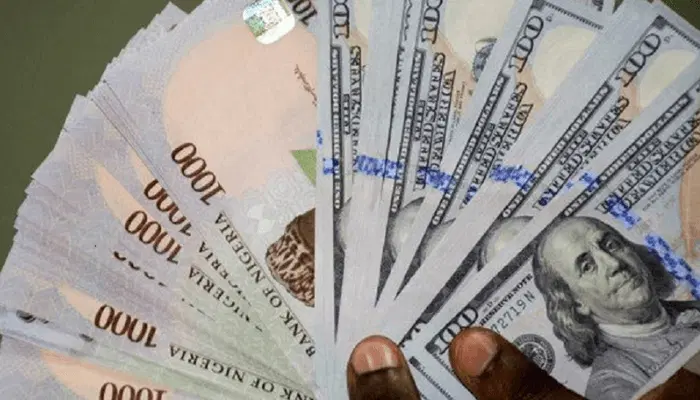
The Nigerian naira sustained its steady multi-week consolidation on Monday, 31 August 2026, holding near N1,337 per US dollar at the official foreign exchange window. Early indicative electronic quotes hovered around N1,346.78 before wholesale banking desks resumed regular session trading. Parallel market operators in Lagos and Abuja traded dollars at N1,400, reflecting a N7 gain from the previous session. The spread between official bank rates and street cash narrowed to roughly N63 per greenback. Central bank interventions, higher domestic yields, and stronger gross external reserves continue to anchor trading confidence. Commercial banks and multinational importers report fewer settlement backlogs for retail transactions. Orthodox monetary policy has steadily squeezed speculative pressure out of the system.
The currency’s gradual appreciation follows consistent policy discipline from the Central Bank of Nigeria. The apex bank curbed money supply growth while offering competitive yields on short-term debt instruments. Higher interest rates encourage offshore asset managers to hold local paper rather than dump naira for foreign cash. Autonomous dollar liquidity through formal banking desks rose sharply, with official trading turnover touching $1.06 billion in a single session last week. Gross external reserves expanded toward $53.34 billion, giving the central bank sufficient firepower to meet genuine corporate demand. When a central bank protects its currency with real cash reserves, speculators back down. Market discipline builds trust faster than aggressive verbal threats.
The narrowing gap between official and black-market quotations marks a significant operational success for monetary authorities. In previous years, wide spreads between official and unofficial rates created massive arbitrage windows that rewarded currency round-trippers. Unifying the market rates eliminates the illicit middlemen who enriched themselves at the expense of productive businesses. Today, legitimate corporate buyers buy foreign exchange through transparent bank bidding rather than shadowy street dealers. While a modest retail premium of four to five per cent persists in parallel markets, it no longer dictates national price formation. Street dealers must now compete on narrow margins rather than exploit policy distortions. Transparent price discovery deprives currency cartels of easy profits.
Manufacturers and retail merchants are beginning to see the benefits of predictable exchange rates in their quarterly planning. During periods of currency collapse, corporate treasurers struggled to price raw material imports and forward contracts with international suppliers. The current period of rate stability allows factory owners to plan capital spending without fear of sudden overnight devaluations. Importers of pharmaceuticals, industrial spare parts, and agricultural machinery can secure bank letters of credit with minimal exchange-rate risk. Yet many small businesses still complain that borrowing costs remain painfully high because the central bank keeps its benchmark lending rate elevated. Tight monetary policy protects the external value of the naira while squeezing domestic credit for local factories. Stability carries a clear price tag.
The recovery of the currency also brings modest relief to households managing overseas financial obligations. Nigerian families funding overseas school fees, medical travel, and software subscriptions saw their costs skyrocket after earlier currency floats. A stable rate near N1,337 to N1,346 per dollar helps parents budget accurately for international tuition payments without sudden shortfalls. However, retail consumer prices in domestic supermarkets and open markets respond very slowly to currency gains. Wholesalers who bought imported consumer goods at higher exchange rates refuse to lower shelf prices until they exhaust old inventory. Domestic price stickiness ensures that ordinary workers feel the benefits of a stronger currency only after several months. Retail prices go up like rockets and fall like feathers.
The long-term health of the naira depends entirely on whether Nigeria can diversify its foreign earnings away from crude oil exports. Crude sales and oil tax royalties still generate the vast majority of official foreign exchange earnings. Recent gains in domestic oil output and deepwater drilling add valuable dollar liquidity to the economy, but international crude markets remain volatile. If global oil prices experience a sharp drop, external reserves will quickly come under renewed pressure. Nigeria must expand its non-oil exports, including manufactured goods, solid minerals, and cash crops, to build durable external wealth. Relying on foreign portfolio investors who chase high interest rates provides only temporary relief. Hot money leaves as quickly as it arrives.
The central bank must maintain its current market stance while ensuring commercial banks process corporate foreign exchange requests without bureaucratic delays. Monetary authorities must resist the political temptation to lower interest rates too quickly before domestic inflation cools. Downstream energy deregulation and domestic fuel refining will help reduce the multi-billion dollar fuel import bill that previously drained foreign reserves. As domestic refiners supply refined petroleum in local currency, the structural demand for import dollars should fall permanently. Sustainable currency stability requires persistent fiscal discipline, industrial production, and steady non-oil export growth. The naira has regained its footing, but holding this ground requires uncompromising economic management.