
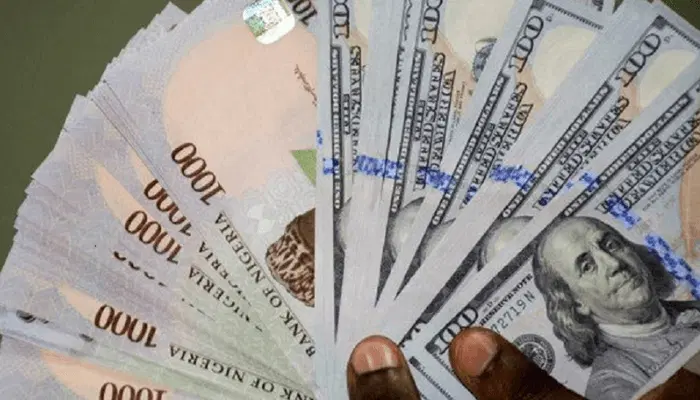
The Nigerian naira gained modest ground against the American dollar on Monday morning as foreign exchange liquidity improved across trading desks. Official market figures placed the currency at roughly 1,354 naira per dollar, extending a multi-day rally. Street traders in Lagos offered greenbacks near 1,405 naira, keeping the parallel market premium narrow. Central bankers view this relative calm as vindication of recent orthodox liquidity reforms. Steady exchange rates offer rare breathing room.
External reserves climbed to 52.19 billion dollars in mid-August, reaching their highest level in seventeen years. Heavy crude receipts and disciplined foreign debt issuance helped replenish state coffers over recent quarters. This expanding cushion gives monetary authorities enough firepower to deter aggressive speculative attacks on the currency. Portfolio managers now watch reserve accretion closely to gauge central bank intervention capacity. A fat buffer calms nervous foreign investors.
The Central Bank of Nigeria recently overhauled its liquidity framework to encourage greater market participation. Officials reopened high-yielding open market operations to retail savers and corporate buyers for the first time in years. They also removed rigid rules that previously barred commercial lenders from accessing emergency borrowing windows. These operational shifts aim to soak up surplus local currency before election campaign spending accelerates. Tighter cash conditions support the local unit.
Corporate treasurers report easier access to hard currency for routine trade settlements and raw material orders. Manufacturing firms no longer face the months-long dollar backlogs that crippled industrial production during previous years. Importers can now buy spot dollars without resorting to frantic black-market transactions. Lower currency volatility helps factory bosses plan supply schedules with greater precision. Predictable pricing protects thin commercial profit margins.
Yet headline exchange rate stability has not erased the deep cost-of-living squeeze hitting Nigerian households. High transport costs and expensive food staples continue to drain daily family budgets in major cities. Real wages remain deeply depressed after years of sharp price increases. The gap between macroeconomic recovery and household prosperity remains wide. Ordinary shoppers still see little immediate relief.
The durability of this currency stability depends on sustained crude oil output and steady capital inflows. Political spending ahead of upcoming regional polls could still unleash a fresh wave of domestic liquidity. Central bank chiefs must maintain tight monetary controls without choking off commercial lending to small firms. Sustained fiscal discipline in Abuja will decide whether the naira maintains its hard-won stability. Long-term policy consistency remains the real test.