
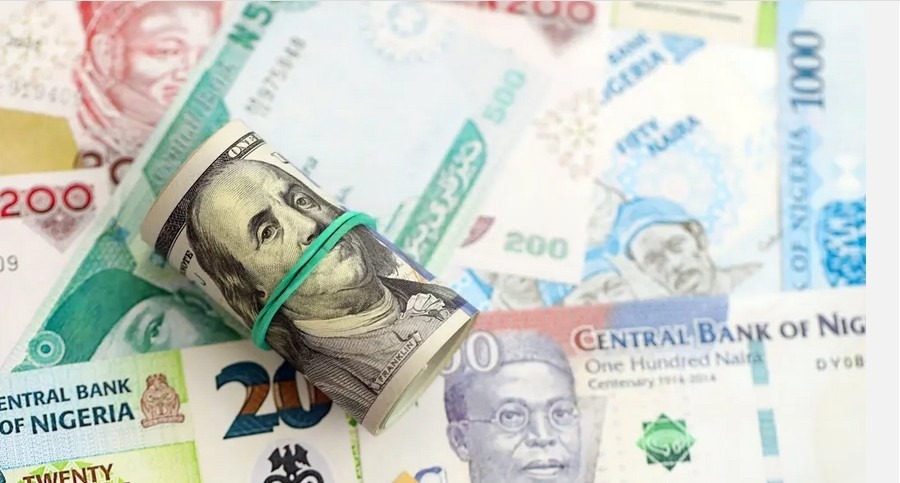
The Nigerian naira opened Tuesday trading at 1,352 per greenback, maintaining its firm grip on recent gains across official windows. Parallel market dealers in Lagos quoted the dollar at 1,400 naira, keeping the currency gap at historic lows. The sustained appreciation reflects steady dollar injections and tight domestic cash management by the central bank. Commercial lenders now clear legitimate trade invoices without relying on shadow foreign exchange desks. The local unit is finding its feet. Central bankers will welcome this rare spell of currency calm.
Massive foreign reserve accumulation continues to anchor trader confidence across West African dealing rooms. External reserves recently crossed 52 billion dollars, reaching their highest watermark in seventeen years. Healthy oil receipts and disciplined sovereign debt sales helped build this formidable cash wall. The growing dollar chest gives monetary authorities enough ammunition to punish aggressive speculative bets against the naira. Foreign fund managers read these balance sheets before committing fresh portfolio capital. A thick reserve cushion deters short sellers.
Recent monetary overhauls have drained surplus naira balances from commercial banking vaults. The central bank opened its lucrative debt auctions to retail savers while removing curbs on emergency interbank lending. Sucking loose naira out of circulation makes the local currency scarce and expensive to short. Corporate treasurers now prefer holding high-yielding local notes rather than hoarding idle foreign exchange. Banks must compete harder for customer deposits as retail buyers bypass branch counters for state paper. High sovereign yields change commercial behaviour quickly.
Factory managers and commercial importers are enjoying the most predictable trading climate in years. Importers can now secure spot dollars for raw materials without waiting months for administrative clearance. Factory owners no longer need to pad shelf prices against sudden overnight devaluations. Smooth trade settlement protects thin operating margins across the domestic manufacturing belt. Yet elevated global freight costs and high interest rates still squeeze overall industrial output. Cheaper dollars cannot solve high energy tariffs alone.
Headline currency gains have done little to soften the cost of living for ordinary citizens. Retail food prices still climb as transport tariffs and poor rural security squeeze family budgets. Disinflation remains an uphill struggle across major consumer markets. Workers continue to spend the bulk of their take-home wages on staple food and cooking fuel. Arithmetic stability in currency charts brings cold comfort to hungry shoppers. Everyday grocery bills refuse to fall.
The coming political cycle will test the durability of this foreign exchange recovery. Election spending ahead of regional ballots could soon flood the streets with unchecked domestic liquidity. Crude production must also remain stable to feed foreign reserves and satisfy national import demand. Central bankers cannot afford to lower their guard as fiscal pressures mount in Abuja. Long-term currency stability requires structural export growth rather than perpetual debt sales. Real economic muscle demands factory production.