
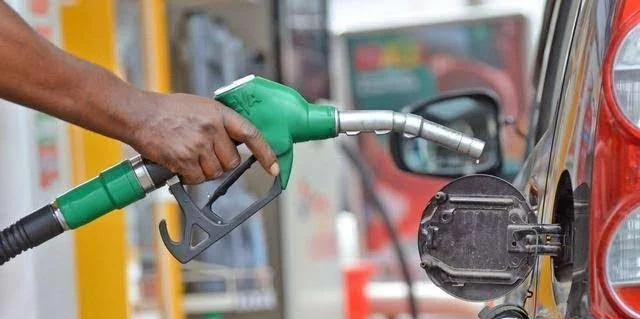
The retail price of petrol crossed 1,400 naira per litre in major commercial hubs across Nigeria over the weekend. Independent and major fuel marketers adjusted their electronic pump meters upward following another steep increase in wholesale prices by the Dangote Petroleum Refinery. The massive facility in Lekki raised its wholesale gantry price from 1,265 naira to 1,350 naira per litre, pushing domestic distribution costs to fresh records. That 85-naira increase represents the fourth upward price revision at the refinery gate within three weeks. The cumulative increase adds 185 naira to every litre of wholesale fuel leaving the coastal tank farm since late August. Across filling stations in Abuja, retail outlets owned by Mobil and NIPCO began charging motorists between 1,400 and 1,430 naira on Sunday. Lagos filling stations followed suit, pushing local prices to 1,395 naira and beyond. Cheap domestic fuel remains a distant memory. High prices are here to stay.
The sudden wholesale adjustment caught retail operators unprepared and triggered immediate friction across suburban forecourts. At MRS stations in the federal capital, attendants marked up pump meters from 1,350 to 1,395 naira for existing depot stock. Forecourt supervisors warned that fresh deliveries arriving on Monday morning will command even steeper rates once haulage invoices settle. The retail surge quickly spilt into the commercial transport sector, forcing drivers to raise commuter fares across busy routes. Commercial taxi drivers operating on ride-hailing applications reported that current fare tariffs no longer cover their daily fuel purchases. Drivers now demand informal cash top-ups from passengers before starting basic city trips. Urban commuters find their monthly transport allowances eaten away before mid-month. The daily commute has become a financial punishment.
The root of the domestic price spike sits in the violent escalation of crude oil markets abroad. Global benchmark Brent crude surged past 107 dollars per barrel this week after missile strikes crippled shipping in the Strait of Hormuz. Drone raids launched from southern Iraq also shut down Saudi Arabia’s primary overland export pipeline, wiping millions of barrels from regular trade flows. The Dangote refinery, while physically located in Nigeria, buys crude oil at prevailing international benchmark rates. Under the deregulated regime created by the Petroleum Industry Act, local refinery operators must price their finished products against international import parity. The wholesale gantry rate of 1,350 naira now sits higher than the landed cost of imported petrol, which touched 1,311 naira per litre last week. Middle Eastern missile strikes extract an immediate toll on Nigerian motorists. Geography offers no shield against market realities.
The soaring pump price delivers another heavy blow to President Bola Tinubu’s macroeconomic reform agenda. The administration removed universal petrol subsidies in May 2023, promising that market competition and domestic refining would tame retail costs. Officials told citizens that local refining would eliminate costly maritime freight charges and make petrol affordable for ordinary workers. Instead, domestic refiners operate as commercial enterprises focused on recovering production costs and generating profits. The presidency dismissed calls from opposition politicians to restore fuel subsidies, calling the idea an economic trap that would wreck public finances. State spokesmen insist that market forces must determine fuel prices to protect private capital investments in domestic energy. Citizens struggle to reconcile official promises with the rising figures on filling station signboards. Reform without relief breeds bitter public cynicism.
The economic fallout from 1,400-naira fuel will travel swiftly into every aisle of the retail economy. Transport operators move almost all domestic agricultural produce from northern farms to southern cities using diesel and petrol lorries. Higher fuel prices immediately raise freight bills for wholesalers, who pass those charges straight to market stallholders. Analysts expect food inflation, which already reached 20.31 per cent in July, to accelerate further as logistics costs mount. Small manufacturing enterprises that depend on petrol generators to power cold rooms, sewing machines, and workshops face crippling operating expenses. Many small businesses will reduce working hours or lay off staff to keep doors open. Retail food prices will rise long before global oil markets cool down. The poorest households will bear the heaviest burden.
Business advocacy groups and energy economists warn that the state cannot leave citizens entirely at the mercy of global price swings. Dr Muda Yusuf, chief executive officer of the Centre for the Promotion of Private Enterprise, urged the government to roll out targeted transport relief. Yusuf argued that returning to broad petrol subsidies would wreck the federal budget, but targeted interventions could cushion the poorest families. Other energy specialists, including Professor Dayo Ayoade of the University of Lagos, called for a rapid expansion of compressed natural gas buses. Yet the state’s conversion programme for gas vehicles moves at an agonisingly slow pace due to a shortage of conversion kits and filling depots. Commuters cannot wait years for gas cylinders while bus fares climb each morning. Policy blueprints cannot carry passengers to work.
The fuel price crisis also exposes the commercial friction between local refiners and domestic retail marketers. Independent marketers complain that volatile refinery gate prices make bulk fuel loading an expensive gamble. Retailers who buy tanker loads at elevated rates risk heavy inventory losses if depot prices fall before they empty their underground storage tanks. Many independent filling stations in provincial towns have closed their gates, choosing to hoard products until prices settle into a predictable range. This tactical hesitation creates artificial fuel queues in regional capitals, adding long waiting hours to expensive pump bills. Marketers protect their cash reserves while motorists spend productive work hours searching for open pumps. Market deregulation without transparent wholesale competition invites distributor chaos. Uncertainty paralyses the supply line.
The coming weeks will test the social limits of the federal government’s economic patience. With the 2027 general election campaign drawing closer, opposition parties will exploit public fury over fuel prices to batter the ruling party. Atiku Abubakar and Peter Obi have already made the rising cost of living the centrepiece of their political attacks against the villa. Labour unions have begun quiet consultations, warning that workers cannot survive on current minimum wages when basic transport consumes half of their pay packets. If global oil prices remain pinned above 100 dollars per barrel, the retail price of petrol could soon test 1,500 naira. The federal government must find practical ways to ease the pain of high energy prices without undoing fiscal reforms. Pushing an exhausted population to the brink carries severe political risks. The price of fuel dictates the temper of the nation.