
A preventable bacterial contagion has killed 31 people in Plateau State after spreading across 10 local government areas, health officials confirmed in Jos on Thursday. State Health Commissioner Nicholas Ba’amlong revealed that the administration had tracked 469 suspected diphtheria infections, with Jos North bearing the brunt of the crisis at 370 cases. Other affected council areas include Jos South, Wase, Barkin Ladi, Mangu, Kanam, Pankshin, Shendam, Bassa, and Mikang. The infection smouldered unnoticed since early 2026 before exploding into a severe emergency in August. Neglected routine primary health care carries fatal costs.
The fatality rate exposes profound vulnerabilities in regional child immunisation coverage across central Nigeria. Mr Ba’amlong admitted that many sick children had either missed routine vaccines entirely or carried incomplete doses. The state managed to vaccinate over 160,000 children with diphtheria and tetanus jabs, while roughly 30,000 received Pentavalent vaccines. Yet mass inoculations after an outbreak begins represent a desperate rearguard action rather than sound public medicine. Herd immunity requires steady prevention, not emergency fire-fighting.
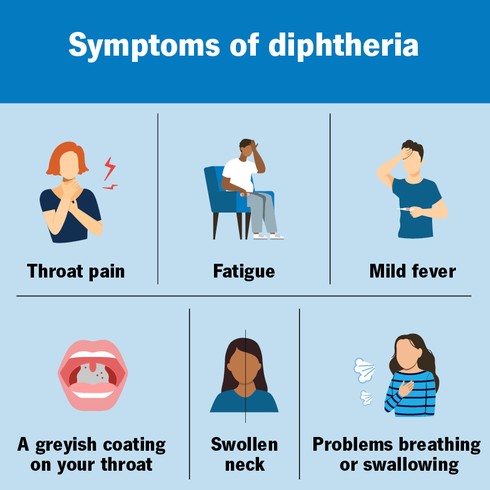
Hospital wards in Jos remain under considerable pressure as medical workers manage severe infections. Seventeen patients are currently in isolation beds split between the Jos University Teaching Hospital and the Plateau State Specialist Hospital. Clinicians describe victims presenting with sore throats, harsh coughs, high fevers, and the thick grey pseudomembrane that suffocates infected airways. To halt classroom transmission, public health officials trained school teachers across Jos North to spot early symptoms among pupils. Medical teams run active contact tracing through affected neighbourhoods.
The resurgence of a vaccine-preventable respiratory killer in 2026 highlights the ongoing decay of municipal immunisation networks. State health leaders have pleaded with the National Primary Health Care Development Agency in Abuja to send fresh vaccine consignments to replenish thinned stockpiles. Local officials also turned to traditional and faith leaders to dismantle lingering parental vaccine hesitation in rural settlements. Rebuilding maternal confidence takes time, however, and bacterial toxins move fast. Administrative tardiness kills.
Plateau’s outbreak underscores how fragile regional disease surveillance remains when public health budgets shrink. Despite claims that caseloads are declining, 31 dead children represent an unacceptable toll for a disease conquered decades ago in stable economies. State governors routinely spend public funds on ceremonial white elephants while basic clinic cold chains fail for lack of fuel or maintenance. If sub-national governments cannot deliver basic childhood jabs reliably, preventable historical plagues will continue to stalk Nigerian nurseries. The medicine exists. The state apparatus simply failed to deliver it.