
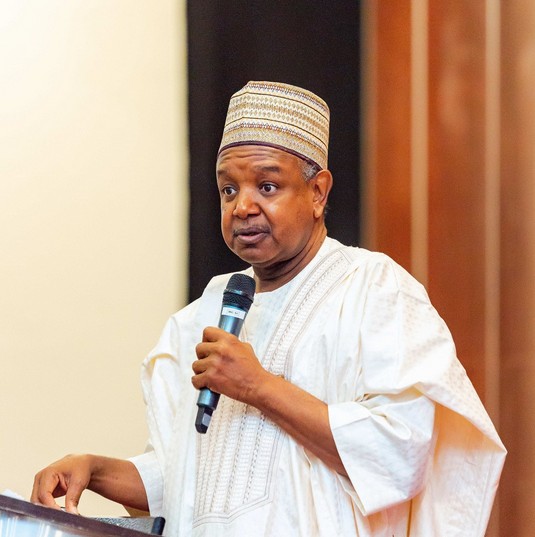
Nigeria’s annual fiscal envelope remains far too small to lift more than two hundred million citizens out of grinding poverty, Minister of Budget and Economic Planning Abubakar Atiku Bagudu told lawmakers and civic groups in Abuja on Monday, 28 September 2026. Speaking at a legislative capacity workshop on budget integrity, Bagudu insisted that public fury over legislative padding obscures the country’s stark fiscal penury. Comparing Nigeria to fellow developing federation Brazil, the minister noted that while both maintain comparable population sizes, Brazil’s federal budget dwarfs Nigeria’s spending plan by more than twenty-five times. Petty squabbles ignore empty coffers.
The minister defended the administration’s borrowing plans while admitting that the state cannot expand national debt without winning broad popular consent. The federal government must make tough fiscal choices to pull in at least 100 billion dollars yearly if it hopes to reach a one-trillion-dollar economy by 2030. Bagudu pushed back against standard orthodoxy that scorns recurrent expenditure, arguing that paying soldier salaries and teacher wages under the approved 70,000 naira national minimum wage forms the core bedrock of internal security and human capital. Starving workers will derail output.
Civil society advocates present at the assembly flatly rejected the minister’s plea for larger allocations, pointing to systemic corruption and legislative greed inside current expenditure documents. Ebu Emmanuel, representing Auwal Rafsanjani of the Civil Society Legislative and Advocacy Centre, cited graft agency findings from the 2022 ledger where lawmakers had inserted 4,508 rogue projects valued at 434.5 billion naira alongside 66 outright duplicates worth 6.43 billion naira. BudgIT Country Director Vahyala Kwaga demanded a strict six-point test for every proposed budget line, urging the National Assembly to link releases to verifiable audit outcomes, national development plans, and actual citizen needs rather than parliamentary whim. Lawmakers routinely doctor fiscal plans.
A small, leaking bucket holds no water regardless of how quickly federal treasurers try to fill it. While Bagudu correctly diagnoses that Nigeria collects and spends too little cash per citizen, asking the public to stomach more debt and higher taxes without plugging institutional theft remains a reckless fiscal strategy. Sustainable statecraft requires clean accounting, credible delivery of public works, and ruthlessly purged balance sheets before planners can demand fresh revenue sacrifices from a hard-pressed populace. Broken buckets cannot store wealth.